
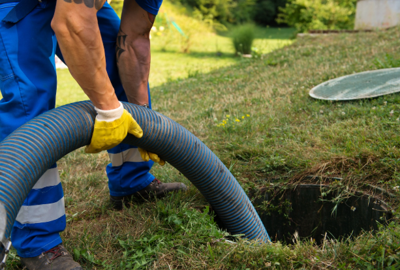

A septic system rarely demands attention until something feels wrong. Drains slow down, unfamiliar smells appear, or the yard starts behaving in ways it never has before. By the time these signs show up, the system has usually been under stress for a while. One of the most common reasons this happens is delayed septic tank pumping.
While septic systems are designed to manage household wastewater quietly, they depend on periodic removal of accumulated waste to continue functioning properly. Understanding when pumping is needed and what happens when it is postponed can help homeowners avoid preventable damage and expensive repairs.
Why Septic Tanks Cannot Maintain Themselves
A septic tank is not a self-cleaning container. It holds wastewater temporarily and allows heavier materials to settle while liquids move onward for further treatment underground. Some waste breaks down naturally, but a large portion does not. This remaining material stays in the tank and slowly builds up.
Without pumping, the tank loses usable space. As that space shrinks, wastewater spends less time inside the tank and moves through the system before it is ready. This change might not be noticeable right away, but it creates strain that affects every part of the system over time.
Pumping Schedules Are Not Universal
Homeowners often search for a single answer to how often to pump a septic tank, but there is no schedule that fits every household. The frequency depends on how the system is used rather than how long it has existed.
A home with multiple occupants produces more wastewater than a smaller household. Daily habits matter as well. Frequent laundry loads, long showers, and water-intensive appliances all increase the volume entering the tank. The size of the tank itself also plays a role, since smaller tanks reach capacity sooner.
Because of these variables, pumping should be planned based on real usage patterns instead of a fixed timeline.
How Lifestyle Choices Affect Septic Health
Septic systems respond directly to what enters them. Items that do not break down easily remain in the tank and contribute to faster buildup. This includes excessive grease, food scraps, and non-biodegradable materials that are sometimes flushed without much thought.
Water use is equally important. Leaks, dripping fixtures, and unnecessary water consumption reduce the system’s ability to separate waste properly. When too much water enters the tank at once, solids are more likely to move where they do not belong.
Small changes in daily routines can significantly reduce strain and extend the working life of the system.
Subtle Signs That Maintenance Is Overdue
Septic problems rarely appear without warning. Early symptoms often seem minor, which is why they are easy to ignore. Slow-draining sinks and tubs are common first indicators. Plumbing noises that occur during use can suggest airflow issues caused by internal buildup.
Outside the home, changes in the yard can provide clues. Soil that stays damp longer than usual or grass that grows unusually fast in one area may indicate wastewater is no longer being absorbed evenly. Odours near the home or drain field area also suggest that waste is not being contained effectively.
Responding to these signs early can prevent far more serious outcomes.
What Happens When Pumping Is Delayed
When pumping is postponed too long, the tank becomes overcrowded. At that point, waste material can move beyond its intended boundaries. Once solids reach areas designed only for liquids, the system’s natural treatment process breaks down.
The most serious consequence is damage to the underground absorption area. When this zone becomes clogged, wastewater has nowhere to go. Repairs in these situations are often extensive and disruptive, requiring excavation and restoration work that can be both costly and time-consuming.
Inside the home, backups can occur with little warning. Wastewater entering living spaces damages surfaces and belongings while also creating health risks that require immediate attention.
Environmental and Property Risks
A failing septic system not only affects the home it serves. Wastewater that is not treated properly can contaminate the surrounding soil and nearby water sources. This creates environmental concerns that extend beyond property lines.
From a property value standpoint, septic issues can complicate sales and inspections. Buyers are increasingly cautious about systems without clear maintenance histories. A well-documented pumping schedule provides reassurance and protects long-term value.
Why Preventive Maintenance Costs Less
The cost difference between maintenance and repair is significant. Routine pumping is predictable and manageable. Emergency repairs and system replacements are not. Once damage occurs, expenses rise quickly and often require immediate action.
Homeowners who invest in routine septic pumping services typically avoid the stress of unexpected failures. Preventive care allows problems to be addressed before they escalate, keeping costs and disruption to a minimum.
The Role of Inspections in Smart Maintenance
Pumping alone does not provide a complete picture of system health. Inspections allow professionals to evaluate internal components that are not visible from the surface. Small issues such as internal wear or minor structural damage can be identified early.
These assessments help determine whether pumping is necessary or whether the system can continue operating safely for a while longer. This approach prevents both neglect and unnecessary servicing.
Long-Term Benefits of Staying Ahead
A septic system that receives consistent care can function reliably for many years. Proactive maintenance reduces the likelihood of emergencies and extends the usable life of the entire setup.
Homeowners who stay attentive experience fewer disruptions and greater confidence in their home’s infrastructure. Instead of reacting to problems, they prevent them through informed decisions and timely service.
Septic systems depend on attention even when they appear to be working normally. Pumping at the appropriate time protects the system from internal overload and reduces the risk of costly damage. Understanding usage patterns, recognizing early warning signs, and prioritizing maintenance all play a role in long-term performance.
With the right approach, septic systems can remain dependable, efficient, and unobtrusive parts of a home for years to come.
(0) comments
We welcome your comments
Log In
Post a comment as Guest
Keep it Clean. Please avoid obscene, vulgar, lewd, racist or sexually-oriented language.
PLEASE TURN OFF YOUR CAPS LOCK.
Don't Threaten. Threats of harming another person will not be tolerated.
Be Truthful. Don't knowingly lie about anyone or anything.
Be Nice. No racism, sexism or any sort of -ism that is degrading to another person.
Be Proactive. Use the 'Report' link on each comment to let us know of abusive posts.
Share with Us. We'd love to hear eyewitness accounts, the history behind an article.