

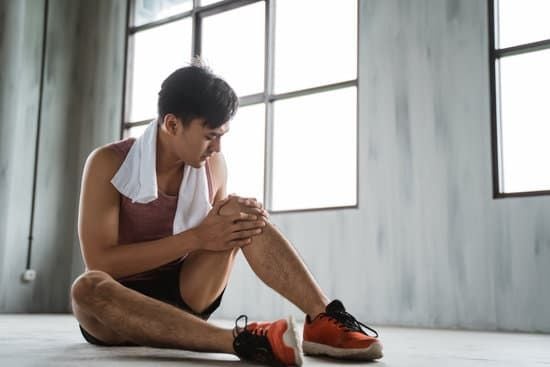
A knee injury is one of the most common body injuries, so common that it sends hundreds of thousands of people every year limping to a doctor’s office for treatment. Though older people might complain more about their knees, knee injuries are increasing rapidly among kids and teens. Part of the reason is because of contact sports like basketball, football, or soccer and more training demands being placed on young athletes.
Knee sprains, strains, tears, fractures, and inflammation will cause your knee to throb with pain. Knee pain can result from moving in a way that is unnatural to the knee. Moreover, it might have received a direct blow in an accident or while you were practicing a contact sport. Other reasons could be knee arthritis, which is a general condition that affects the joints and makes the movement of the knee painful. There is also osteoarthritis that typically affects the knees, hips, lower back, and neck.
One of the major issues of knee injuries is that they take a long time to heal. Usually, it can take 4 months or even up to a year. There are a few things you can do for your knee to heal properly and safely, but there are also some things you can do that will worsen your condition. Have a look at what you can do to help the healing process.
Exercise
It’s important to rest the knee and avoid certain movements. However, resting your knee continuously will weaken your muscles, especially the thigh muscles which supports your knee. To heal quickly, you need to strengthen this muscle. Some exercises shouldn’t be done, such as exercises that have a heavy impact on the knees like squats or deep lunges. Instead, you can do standing straight leg raises. To do this exercise, keep your leg off the ground by about 12 inches, hold that position for a little bit, lower your leg, and repeat. Lifting weights and stretches can also be beneficial. Swimming would be a much better exercise rather than walking or running, as it has a much lower impact on your lower body.

Exercise Machines
If you prefer to use machines to exercise, think twice before you run on the treadmill or use machines that require a lot of knee bending. Increased walking or running speed puts more stress on your knee. However, that does not mean you can’t exercise. Knee supportive exercise equipment that includes a rowing machine or an elliptical trainer will help you exercise without aggravating your condition. A rowing machine can exercise 85% of all your muscles at the same time and uses the legs more than it does the upper body. You’d be strengthening quadriceps, hamstrings, and gluteus maximus, respectively located in the front of your thighs, the back thighs, and back of the hips.
If you live a sedentary lifestyle, that has to change. You need to stay physically active, but avoid too much impact on the knee and sharp movements. There are many exercise programs that will help lessen the pain and strengthen the knee and the surrounding muscles.
Weight loss
You might not be aware of it, but for every pound you lose, you’re actually losing 4 pounds of knee joint loads. This is great news, especially for people who suffer from osteoarthritis, which affects older people and weakens the bones. Obesity is an underlying cause of osteoarthritis, so even a minimal weight loss can have a great result in lessening stress on the knee joints.
Footwear
Maybe you don’t always give it much thought, but you’ll want to make sure you’re always wearing the right footwear. For women, they shouldn’t wear high heels and stilettos, as they put more stress on the knees. Your best bet is a pair with minimal arch support. Look for softness and flexibility in sneakers, and wear dress shoes or ballet flats when needed. Any pair that feels uncomfortable shouldn’t be in your wardrobe.
Wear a Knee Brace
When you have to be out all day, you could invest in a knee brace to help stabilize the knee. For instance, unloader braces shift your weight to a stronger part of the knee and are often worn by people who have knee arthritis.
Treatments have advanced, so you can treat your knee without considering surgery to replace a kneecap. When you exercise your knee in the right way, rest it, remain active while watching what you eat, and make some lifestyle changes, you will see an improvement. The kind and severity of the injury you have will determine when you’ll see that improvement.
(0) comments
We welcome your comments
Log In
Post a comment as Guest
Keep it Clean. Please avoid obscene, vulgar, lewd, racist or sexually-oriented language.
PLEASE TURN OFF YOUR CAPS LOCK.
Don't Threaten. Threats of harming another person will not be tolerated.
Be Truthful. Don't knowingly lie about anyone or anything.
Be Nice. No racism, sexism or any sort of -ism that is degrading to another person.
Be Proactive. Use the 'Report' link on each comment to let us know of abusive posts.
Share with Us. We'd love to hear eyewitness accounts, the history behind an article.