
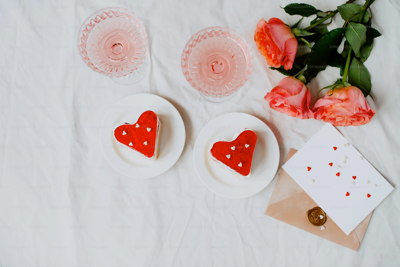

Few gestures speak to the heart as powerfully as receiving flowers from someone you love. For centuries, romantic flowers have served as messengers of emotion, expressing feelings that words often fail to capture. Whether it's the classic red rose declaring passionate devotion or delicate forget-me-nots whispering "remember me always," flowers possess an almost magical ability to communicate the nuances of romantic love.
The tradition of giving flowers to express romantic sentiment spans cultures and millennia. Ancient Greeks crowned lovers with violets, Victorians developed an intricate floral language to send coded messages, and today we continue to honor this beautiful custom. Understanding the language of romantic flowers transforms a simple bouquet into a deeply personal statement.
Love and Flower – An Enduring Connection
The connection between love and flowers is deeply rooted in human psychology and cultural history. Flowers naturally evoke positive emotions - their beauty, fragrance, and ephemeral nature create a sensory experience that engages us on multiple levels. When given in a romantic context, flowers become powerful tokens of affection.
Scientifically, flowers trigger genuine emotional responses. Studies show that receiving flowers releases dopamine, the neurotransmitter associated with pleasure and reward. They also increase serotonin levels, elevating mood and reducing stress. When someone you care about gives you flowers, these chemical responses combine with emotional significance, creating memorable experiences that strengthen romantic bonds.
The love and flower relationship varies across cultures, but certain themes remain universal. Red symbolizes passion across most of the world. White represents purity and new beginnings in Western cultures. Understanding these cultural nuances ensures your romantic gesture lands as intended.
Historically, the Victorian era perfected the art of floriography - the language of flowers. During this period, when expressing feelings directly was often socially inappropriate, people used specific flowers and arrangements to convey detailed messages. While we've moved beyond such elaborate codes, the essence remains.
Here's why this connection endures:
Impermanence creates value: Flowers bloom briefly, making them precious. Giving someone flowers is giving them something beautiful, knowing it won't last forever, making us appreciate them more fully.
Effort demonstrates care: Selecting, purchasing, and presenting flowers requires thought and action. Unlike a text message, flowers are tangible proof that someone took time to think about you.
Sensory richness: Flowers engage multiple senses simultaneously. Their visual beauty attracts the eye, their fragrance evokes memory and emotion, and their soft petals invite touch.
Romantic Flowers – The Quintessential Bloom
When discussing romantic flowers, roses immediately dominate the conversation. No other bloom carries such universal recognition as a symbol of romantic love. Red roses specifically have become synonymous with deep passion, desire, and romantic devotion. Their velvety petals, intoxicating fragrance, and elegant form make them the undisputed champions of romance.
But the rose family offers much more nuance. Pink roses express admiration and gentle affection - perfect for new relationships. White roses symbolize purity and new beginnings, making them popular for weddings. For those seeking authenticity and quality, real roses bouquet delivers an impact that artificial flowers simply cannot match.
Beyond roses, several other blooms qualify as quintessential romance flowers:
Tulips: These spring favorites represent perfect love. Red tulips declare love as passionately as red roses but with a more playful, fresh feeling. Yellow tulips mean "there's sunshine in your smile," making them perfect for cheerful romantic gestures.
Orchids: Exotic and elegant, orchids represent rare beauty, strength, and love. Their sophisticated appearance and long-lasting blooms make them ideal for expressing refined, enduring affection.
Peonies: These lush blooms symbolize prosperity, good fortune, and a happy marriage. Their full, abundant petals suggest richness and abundance in love. They bloom briefly but spectacularly, making them precious.
Gardenias: With their creamy white petals and intoxicating fragrance, gardenias symbolize purity, sweetness, and secret love. They represent refined romantic love expressed through elegant simplicity.
Romantic flowers work through both explicit symbolism and personal association. The most powerful blooms are those that tell your unique love story.
Sweet Romantic Love Flowers – Conveying Tender Affection
Not all romantic love is passionate and intense. Some of the most meaningful expressions of affection are gentle, tender, and sweet. Sweet romantic love flowers capture these softer emotions - the quiet contentment of companionship, the gentle joy of caring for someone, the soft warmth of established love.
Lily of the valley embodies sweet romantic sentiment perfectly. These tiny, bell-shaped white flowers grow on delicate stems and release a subtle fragrance. In the language of flowers, the lily of the valley represents the return of happiness and sweetness. They symbolize the purity of heart and the gentle joy of being with someone you love.
Sweet peas offer another perfect example of sweet romantic love flowers. These ruffled, fragrant blooms come in soft pastels and symbolize blissful pleasure and delicate, tender feelings. Victorian lovers gave sweet peas to say "thank you for the lovely time."
Consider these additional tender blooms:
Daisies: Often overlooked as too simple, daisies represent innocence, loyal love, and purity. White daisies with yellow centers embody cheerful, uncomplicated affection.
Violets: These modest purple flowers symbolize faithfulness, devotion, and modesty. In Victorian times, violets represented "I'll always be true."
Ranunculus: With their tissue-paper petals arranged in perfect spirals, ranunculus flowers symbolize "I am dazzled by your charms." They convey attraction without heavy intensity.
Sweet romantic love flowers excel in situations where passion might feel too strong or premature. They work beautifully for new relationships or for long-term couples whose love has matured into comfortable companionship.
Flower for Love – Choosing the Right Message
Selecting the perfect flower for love requires understanding both traditional symbolism and personal context. The same flower can carry different meanings depending on color, presentation, and the nature of the relationship.
Color dramatically affects a flower's romantic message. Red universally signals passionate romantic love and desire. Pink expresses admiration and gentler affection. White represents purity and new beginnings. Understanding color language helps you choose the right flower for love in any situation.
Context matters enormously. A dozen red roses declare serious romantic intention - perfect for anniversaries or expressing deep commitment. However, for early relationship stages, consider softer options like pink tulips or mixed spring flowers.
Consider these scenarios:
First date or early relationship: Choose cheerful, light flowers like yellow roses or daisies. These show thoughtfulness without overwhelming intensity.
Apology after an argument: White roses or tulips symbolize fresh starts. Combine them with your partner's favorite flowers to show you pay attention.
Celebrating milestones: Anniversaries or achievements call for abundant blooms. Peonies, orchids, or premium roses show you're marking an important moment.
"Just because" moments: These unexpected gestures often mean the most. Choose your partner's favorite flowers. Spontaneity matters more than the specific flower choice.
Presentation also affects meaning. A single perfect rose carries a different weight than a dozen - it's more focused, almost poetic. Consider not just which flower for love you choose, but how you present it.
Creating a Romantic Floral Experience
Romantic flowers have their greatest impact when they're part of a complete experience rather than just a delivery. Thoughtful presentation, timing, and personal touches transform flowers from nice gifts into unforgettable romantic moments.
Timing amplifies romantic impact. Unexpected flowers during ordinary moments often create more emotional resonance than expected bouquets on obligatory occasions. Yes, bring flowers on Valentine's Day, but also send them on random Tuesdays. This unpredictability shows ongoing attentiveness.
Presentation creates lasting impressions. Rather than standard delivery, consider creative approaches. Place flowers where your partner will discover them - on their car seat, at their desk, or waiting at home. Leave a handwritten note explaining why you chose these specific blooms.
Here are ways to elevate your romantic flowers experience:
Create a floral trail: Instead of one large bouquet, place small arrangements throughout the home. Your partner discovers romantic reminders in every room.
Pair flowers with experiences: Combine flowers with complementary romantic gestures. Roses with a home-cooked dinner. Tulips with breakfast in bed.
Make it recurring: Establish a tradition of bringing home flowers weekly or monthly. This consistency communicates that romance isn't just for special occasions.
Involve all senses: Choose fragrant flowers like gardenias or freesias that perfume the room. Add candles or music to create a complete sensory romantic environment.
Consider learning basic flower arranging to create personalized bouquets. Visiting a flower market together and selecting blooms becomes a romantic activity itself. Sweet romantic love flowers particularly benefit from personalization - choose flowers that reference shared memories or match your partner's favorite color.
The most successful romantic floral experiences recognize that flowers are vehicles for emotion rather than ends in themselves. The blooms matter less than what they communicate and how they make your beloved feel. Whether you choose classic red roses, sweet lily of the valley, or your personal favorite wildflowers, romance flowers succeed when they authentically express your unique feelings and celebrate your specific relationship.


(0) comments
We welcome your comments
Log In
Post a comment as Guest
Keep it Clean. Please avoid obscene, vulgar, lewd, racist or sexually-oriented language.
PLEASE TURN OFF YOUR CAPS LOCK.
Don't Threaten. Threats of harming another person will not be tolerated.
Be Truthful. Don't knowingly lie about anyone or anything.
Be Nice. No racism, sexism or any sort of -ism that is degrading to another person.
Be Proactive. Use the 'Report' link on each comment to let us know of abusive posts.
Share with Us. We'd love to hear eyewitness accounts, the history behind an article.