

Restaurants today don’t get the luxury of a slow decline. If a space feels tired or out of touch, customers don’t quietly disappear—they document it. A dated interior, uncomfortable seating, or poor lighting can quickly become fodder for online reviews, social media posts, and photo-heavy platforms like Google, Yelp, and TripAdvisor. And once that perception sets in, it’s incredibly difficult to reverse.
I’ve seen it happen repeatedly: restaurants with solid food and service struggling because the space itself sends the wrong message. When sales dip and negative reviews pile up, it’s often not the menu that needs fixing—it’s the environment. These are the most common signs I see that a restaurant is overdue for a serious refresh.
The Décor Feels Stuck in Another Decade
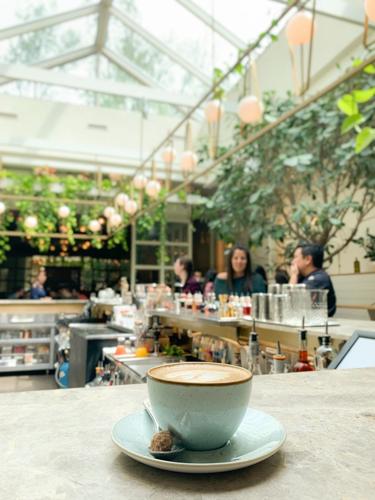
Before a guest ever looks at a menu or interacts with a server, they’re already forming an opinion based on the room itself. In today’s visual-first dining culture, interiors matter more than ever. If a restaurant feels dark, cluttered, overly themed, or stylistically frozen in time, customers notice immediately.
When I hear about people walking in and turning right back around, outdated décor is often the culprit. Heavy patterns, worn finishes, or design trends that peaked years ago can make a restaurant feel neglected rather than nostalgic. One of the most telling indicators is when guests comment on the space instead of the experience—and not in a good way.
The smartest operators I know regularly solicit honest feedback from both staff and customers. Fresh eyes can quickly reveal when an interior no longer aligns with modern expectations.
Furniture That Looks Worn—or Worse, Feels Unsafe
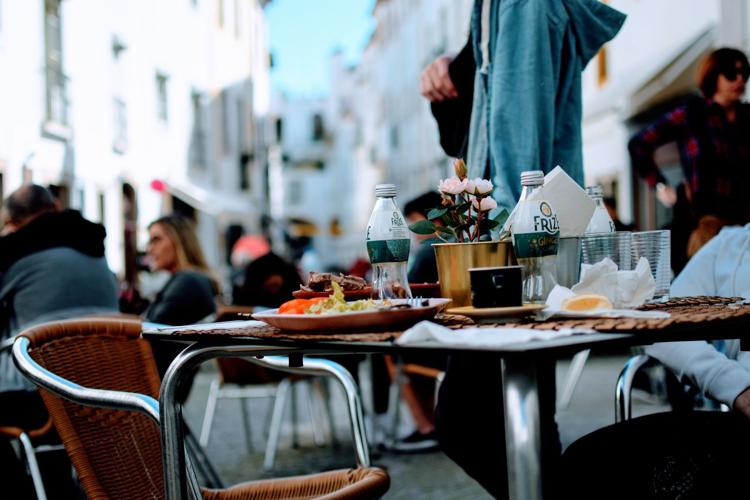
Furniture quality has become non-negotiable. Guests today are far less forgiving of ripped upholstery, wobbly chairs, or bar stools that feel unstable. What might once have been dismissed as “character” is now seen as a lack of care.
Comfort also plays a bigger role than it used to. If seating feels cramped or uncomfortable, customers leave sooner—and they remember it. Restaurants that invest in durable, well-designed furniture send a clear signal that they care about the guest experience.
From an operational standpoint, modern hospitality furniture is designed to withstand heavy use while still looking polished. Upgrading tables, chairs, and bar seating is often one of the fastest ways to modernize a space without a full renovation.
Lighting That Undermines the Atmosphere
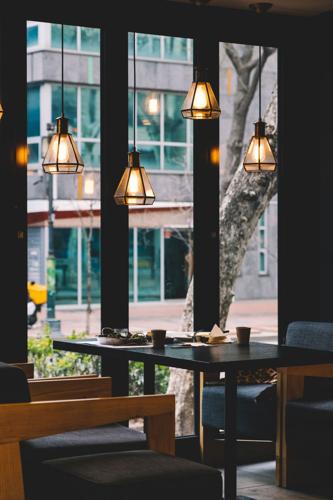
Lighting is one of the most overlooked elements of restaurant design, yet it has an outsized impact on how a space feels—and photographs. Harsh overhead lighting or outdated fixtures can instantly date a room and flatten the entire experience.
Today’s restaurants rely on layered lighting: ambient light to set the mood, task lighting for functionality, and accent lighting to highlight architectural features or the bar. Guests want spaces that feel warm, intentional, and flattering—both in person and on camera.
If lighting fixtures feel more reminiscent of past decades than current design standards, it’s a strong signal that the restaurant hasn’t kept pace with changing expectations.
Flooring That Signals Wear Instead of Warmth
Nothing makes a restaurant feel neglected faster than visibly damaged flooring. Stained carpet, chipped tile, or heavily scratched wood immediately raise concerns about cleanliness—even if the space is otherwise spotless.
Modern restaurants are increasingly moving toward flooring materials that balance durability with design. Tile, stone, sealed concrete, and high-quality hardwoods are favored for their longevity and ease of maintenance. Carpet, once common, is now often avoided due to odor retention and upkeep challenges.
When flooring looks tired, it subtly undermines trust. Guests may not consciously analyze it—but they feel it.
Staff Uniforms That No Longer Reflect the Brand
Uniforms are part of the visual language of a restaurant, and outdated attire can quietly erode brand credibility. If staff are wearing the same uniforms introduced a decade ago, customers notice—even if they can’t articulate exactly why the space feels off.
Today’s restaurant uniforms tend to be simpler, more modern, and more comfortable, often reflecting the overall aesthetic of the space. Updated uniforms signal professionalism, consistency, and attention to detail. They also contribute to employee morale, which directly affects service quality.
Refreshing uniforms doesn’t require a full rebrand, but it does require intention.
Why Staying Current Is No Longer Optional
The reality is that restaurants now live under constant public scrutiny. Guests document everything—from restrooms to seating to lighting—and share their impressions instantly. A dated interior doesn’t just affect first impressions; it influences online ratings, return visits, and long-term viability.
From my perspective, a restaurant refresh isn’t about chasing trends. It’s about ensuring the space reflects care, relevance, and respect for the guest experience. When a restaurant looks current, clean, and thoughtfully designed, customers assume the same standards apply to the food and service.
And in today’s market, that assumption can make all the difference.


(0) comments
We welcome your comments
Log In
Post a comment as Guest
Keep it Clean. Please avoid obscene, vulgar, lewd, racist or sexually-oriented language.
PLEASE TURN OFF YOUR CAPS LOCK.
Don't Threaten. Threats of harming another person will not be tolerated.
Be Truthful. Don't knowingly lie about anyone or anything.
Be Nice. No racism, sexism or any sort of -ism that is degrading to another person.
Be Proactive. Use the 'Report' link on each comment to let us know of abusive posts.
Share with Us. We'd love to hear eyewitness accounts, the history behind an article.