
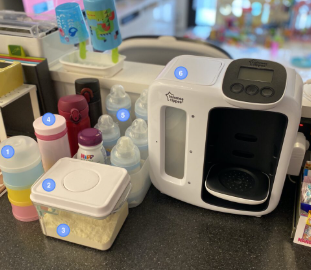
A well-planned bottle feeding station turns the endless wash-prep-feed cycle into something that looks intentional—even in an open-plan kitchen where every counter tells a story. Instead of scattered nipples and a sink full of guilt, you get one zone for making bottles, cleaning gear, and grabbing burp cloths before the next feed.
Whether you formula-feed, offer expressed milk, or mix both, the layout matters as much as the gear. Many parents add a dedicated baby bottle washer into the cleaning side of the station so wash, sterilize, and dry happen in one cycle without dominating the whole countertop.
This guide covers how to set up a bottle station that fits a polished home, what belongs within arm’s reach, drying and storage rules, formula timing basics, and straight answers to the questions parents ask most—plus a quick note on why a bottle feeding station for puppies is a completely different project (this one is for babies).
Why a Dedicated Bottle Feeding Station Matters
Newborns eat often and rarely on schedule. When bottles, formula, brushes, and drying racks live in five different spots, midnight feeds become a scavenger hunt. A single zone keeps prep predictable—which helps you and anyone else feeding your baby.
In a fine home, the goal is not a cluttered nursery corner hidden from guests. It is a compact, logical setup: clean items up high or behind closed storage, dirty items in one bin, prep tools grouped together, and only what you use daily on display. That balance keeps the kitchen feeling designed, not overrun.
How to Set Up a Bottle Station
Start with location. Most families anchor the station in the kitchen near a sink, outlet, and fridge—formula and breast milk both need quick access to cold storage. A secondary station in the nursery or primary bedroom helps for night feeds without trekking across the house.
- Clear a counter zone—or assign a rolling utility cart if space is tight. Think bar-cart logic: everything feeds in one place.
- Divide clean vs dirty. A small bin for used bottles and pump parts near the sink; clean drying space on a towel or rack beside it.
- Stock prep tools: formula or milk storage, measured water, bottle brush, gentle dish soap, burp cloths, bibs.
- Plan power. Bottle warmers, sterilizers, and automatic washers need an outlet—avoid extension cords across walkways.
- Hide the overflow. Use a cabinet or drawer for spare nipples, the next size up, and unopened formula—label shelves so partners and grandparents can find things.
If you are remodeling, consider dedicating one stretch of counter with a shallow cabinet above and a drawer below for bottle-only supplies—similar to a coffee bar, but for feeds.
What Belongs at Your Bottle Feeding Station
Keep daily-use items visible; store backups behind doors.
- Six or more bottles if you want one wash cycle per day
- Extra nipples and rings in a small bin
- Bottle brush and basin (or dishwasher basket if you batch clean)
- Drying rack—or alternative drying setup (see FAQ)
- Formula dispenser or pitcher if you formula-feed
- Burp cloths, bibs, and stain spray for spit-up
- Optional: bottle warmer, steam sterilizer, or automatic bottle washer on the cleaning side
For middle-of-the-night feeds, a mini station in the bedroom—a bottle, burp cloth, dim light, and prepped formula or milk if your pediatrician approves advance prep—saves steps when you are half awake.
Cleaning, Drying, and Storage at the Station
Wash bottles and pump parts after every use with hot, soapy water or a dishwasher on a hot cycle if manufacturer instructions allow. Rinse thoroughly so no soap remains.
Do baby bottles have to be completely dry before use? Yes. Moisture in bottles and nipples supports mold and bacteria. Air-dry on a clean rack until no water pools inside, especially in nipple vents.
Common storage mistakes to avoid: putting bottles away while damp; stacking wet nipples inside bottles; leaving prepared formula at room temperature too long; reusing a bottle your baby did not finish; storing clean bottles near raw food or greasy pans. Label and date pumped milk and prepared formula; discard leftovers per safe-timing rules.
Do you really need a baby bottle drying rack? Not strictly—a clean dish towel on a flat tray, a mesh mat, or a dishwasher with heated dry can work. Dedicated racks keep nipples and rings upright so water drains, which helps in busy stations. Choose what keeps parts separated and fully dry.
Formula Prep and the 2-Hour Rule
What is the 2-hour bottle rule for infant formula? Prepared formula should be used within two hours if kept at room temperature. If your baby starts a bottle but does not finish, discard the remainder within one hour of the start of that feed—saliva introduces bacteria.
Once prepared, unused formula can be refrigerated and used within 24 hours in many guidelines—always follow your formula brand and pediatrician. Never microwave a bottle to warm it; hot spots can burn your baby’s mouth. Warm by placing the bottle in a bowl of warm water or using a bottle warmer, then test on your wrist.
Can babies drink cold formula? Many can, if they accept it. Warmth is often about preference, not safety, once formula is mixed correctly. Some babies refuse cold milk; others take it fine.
What a Baby Bottle Washer Adds to Your Station
An automatic baby bottle washer is a countertop appliance built only for infant feeding gear. You load bottles, nipples, rings, and many pump parts into labeled zones, add water and baby-safe detergent to the reservoir, and run a cycle that typically washes with targeted jets, steam-sterilizes, and force-dries—so items come out ready to use or store.
In a designed kitchen, it replaces a tangle of brush, boiling pot, and sprawling drying rack on the counter. Look for capacity that matches your daily volume, compatibility with your bottle and pump brands, a footprint that fits your prep zone, and straightforward descaling if you have hard water. It does not replace hand-washing when manuals require it for certain parts, but it can anchor the “dirty to clean” half of your bottle feeding station when feeds pile up.
Bottle Feeding Basics Worth Knowing
Why don't doctors recommend bottle feeding? Most health organizations recommend breastfeeding when possible because of immune and nutritional benefits—not because bottle feeding is unsafe. Many families bottle-feed breast milk, formula, or both for medical, work, or personal reasons. Doctors support safe, responsive feeding however milk reaches your baby.
How often should newborns be bottle fed? Often—roughly every two to three hours in the early weeks, including overnight, though patterns vary. Follow hunger cues and your pediatrician’s guidance on volume.
Is 4 oz every 2 hours too much? It depends on age, weight, and whether you are offering breast milk or formula. Many newborns take smaller amounts more frequently; a three-month-old may handle larger feeds. Track wet diapers, weight gain, and spit-up with your provider rather than a fixed chart alone.
Can you overfeed a bottle-fed baby? Yes. Paced bottle feeding—holding the bottle more horizontally, pausing often, and letting baby set the pace—helps prevent gulping and discomfort.
What happens if you don't warm up baby bottles? Often nothing harmful if milk or formula is already at a safe temperature and baby accepts it. Cold milk may be refused; overheated milk is the real risk—always test before feeding.
FAQ
Are bottle-fed babies happier?
Happiness depends on the whole relationship—holding, responding to cues, and consistent care—not the delivery method alone. Fed, comforted babies tend to settle regardless of breast or bottle when feeds are calm and responsive.
What is the best age to stop bottle feeding?
Many pediatricians suggest transitioning toward cups around 12 months and limiting bottles by 18 months to protect teeth and encourage sipping skills—but plans vary by child. Ask your provider for a timeline that fits your family.
Is it normal for a 3-month-old baby to refuse bottles?
It can happen—flow too fast or slow, nipple shape, timing, or preference for breastfeeding. Try different nipples, paced feeding, or feeding when baby is hungry but not frantic. Persistent refusal warrants a call to your pediatrician or lactation consultant.
What to use instead of a drying rack?
A clean drying mat, dish towel on a tray with bottles inverted, dishwasher heated-dry cycle, or a shallow bin with upright inserts. The key is separation, airflow, and no pooling water.
Is this the same as a bottle feeding station for puppies?
No. Puppy bottle stations use different bottles, formulas, heights, and hygiene rules for whelping areas—not kitchen counters for human infants. This guide is for setting up a bottle feeding station for babies in the home.
A thoughtful bottle feeding station is part organization, part design: one zone where clean, prep, and cleanup meet without taking over the room you worked hard to make beautiful. Set it up once, adjust as your baby grows, and let the routine carry you through the long days and short years.


(0) comments
We welcome your comments
Log In
Post a comment as Guest
Keep it Clean. Please avoid obscene, vulgar, lewd, racist or sexually-oriented language.
PLEASE TURN OFF YOUR CAPS LOCK.
Don't Threaten. Threats of harming another person will not be tolerated.
Be Truthful. Don't knowingly lie about anyone or anything.
Be Nice. No racism, sexism or any sort of -ism that is degrading to another person.
Be Proactive. Use the 'Report' link on each comment to let us know of abusive posts.
Share with Us. We'd love to hear eyewitness accounts, the history behind an article.