
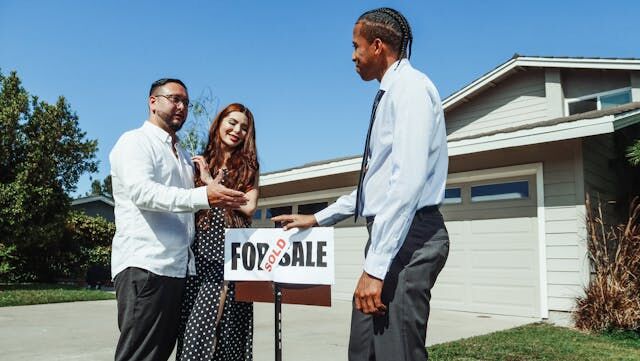
Buying a house is an exciting time. It's filled with new possibilities for the future and thoughts of all the things you can do to make your new house a home. Of course, the process can also entail quite a few complicated details that bring about a great deal of uncertainty. That's particularly the case during closing. Understanding what to expect during a residential real estate closing can help eliminate the confusion and ensure the process goes smoothly.
Legal Complexities
One factor that catches many people off-guard is the number of legal complexities that arise when buying a home. Ensuring the purchase agreement is in order is one of them. Being sure both you and the seller fulfill any contingencies that were agreed upon in the purchase agreement is another. Making sure there are no unexpected liens on the property is also important. Those are only a few of the legal issues that could come into play. Hiring a real estate attorney like those available through https://www.affordableclosing.com/ is recommended.
Opening an Escrow Account
You may also need to open an escrow account during closing. When you make your monthly mortgage payments, a portion of those payments will be deposited into the account. From there, they'll be used to pay property taxes,homeowner's insurance, and other fees. This type of account is used to ensure those costs are paid on time so you'll remain in compliance with the law and with your lender's requirements. Not all lenders require borrowers to open escrow accounts, but it's a common prerequisite for closing.
Ensuring Your Paperwork Is in Order
Another aspect that surprises many people is the amount of paperwork involved in closing. That includes the purchase agreement, mortgage note, deed of trust, closing disclosure, and escrow statement to name a few possibilities. The real estate appraisal, title commitment, and proof of homeowner's insurance may also enter the mix. Having all those documents in order is essential for a smooth, successful closing.
Verifying Your Closing Date
During closing, you and the seller should also verify the final closing date. That's the date when the seller must be out of the house and you'll officially be the new owner. It's usually a month or so after the buyer and seller agree on the purchase offer. In some cases, it takes a bit longer than that. You and the seller most likely agreed on a closing date earlier on, but it's a good idea to verify just to be sure everyone is on the same page. After all, you don't want to show up at the house ready to move in only to find the previous owner is still living there.
Paying Closing Costs
Finally, you'll have to pay closing costs during the closing process. That may include several fees, including loan origination, appraisal, title insurance, property and transfer taxes, and HOA fees. You may also be required to pay homeowner's and title insurance. You'll need to have the money ready to cover those costs at closing. You may be required to pay with a certified or cashier's check. It's a good idea to find out in advance how much your closing costs will be and how you'll be expected to pay them.
Successfully Closing on a Home
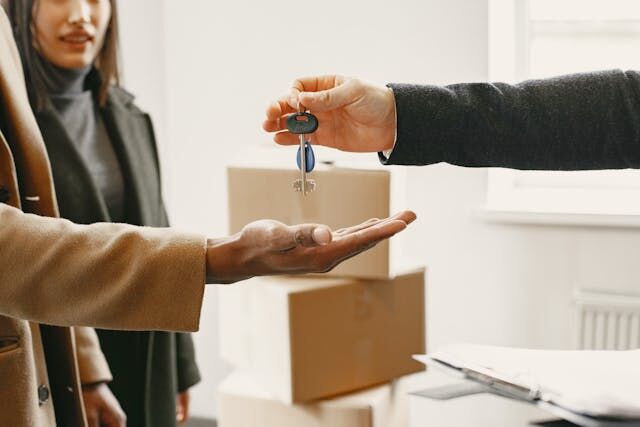
Numerous details come into play when you buy a home. Many of those factors seem to fall on your shoulders all at once during closing. This portion of the process generally takes between 30 and 45 days. Knowing what to expect ahead of time can help make the process go more quickly and smoothly.


(0) comments
We welcome your comments
Log In
Post a comment as Guest
Keep it Clean. Please avoid obscene, vulgar, lewd, racist or sexually-oriented language.
PLEASE TURN OFF YOUR CAPS LOCK.
Don't Threaten. Threats of harming another person will not be tolerated.
Be Truthful. Don't knowingly lie about anyone or anything.
Be Nice. No racism, sexism or any sort of -ism that is degrading to another person.
Be Proactive. Use the 'Report' link on each comment to let us know of abusive posts.
Share with Us. We'd love to hear eyewitness accounts, the history behind an article.