
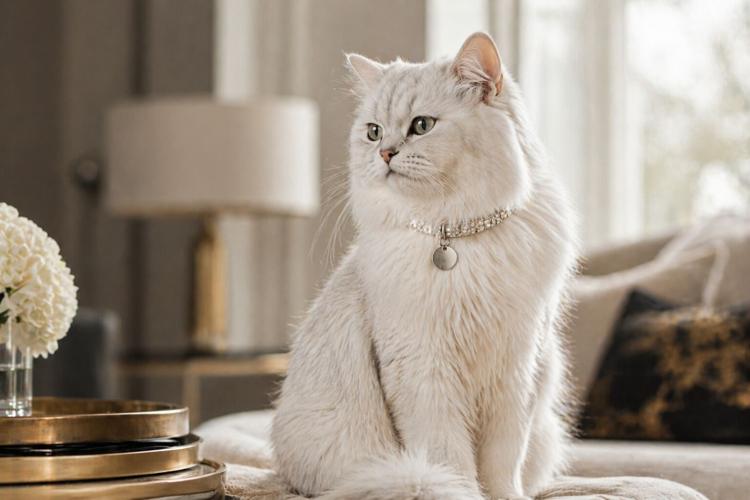
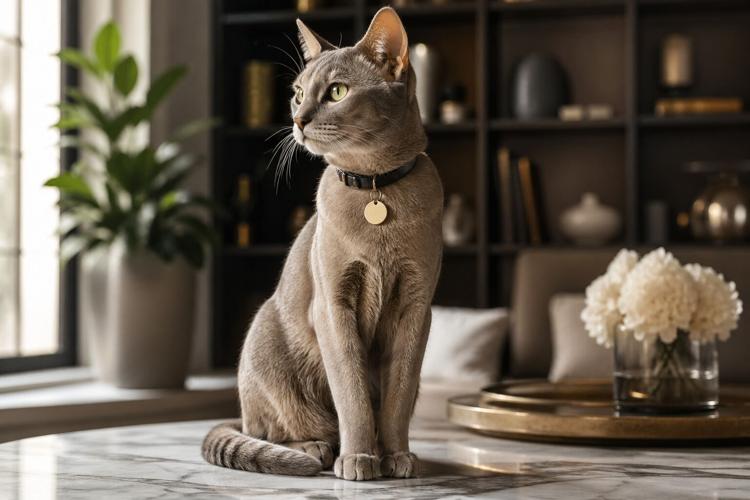
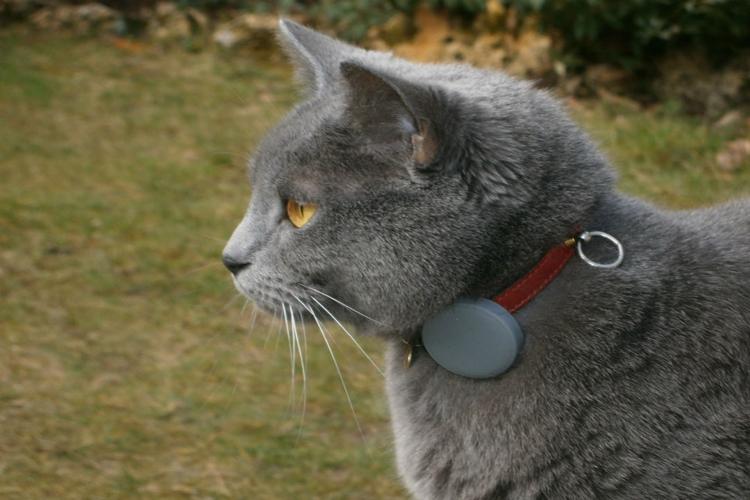

There is a specific kind of optimism required to believe you are “choosing” anything for a cat. You are not. You are negotiating with a small, highly opinionated creature who will absolutely reject your decisions if they are even slightly inconvenient.
Which is why most cat collars fail. Not because they are ugly (though many are), but because they ignore how cats actually live—climbing, slipping, vanishing, reappearing, and generally behaving like they have their own passport and agenda.
A proper collar is not just an accessory. It is a safety device, a comfort test, and—if we are being honest—a subtle nod to your own standards as a pet owner. Here is what actually matters.
The Non-Negotiable: Breakaway Safety
If a collar does not have a breakaway clasp, it is not an option. Full stop.
Cats climb into places that defy logic—fences, cabinets, tree branches that look structurally questionable at best. A standard buckle can turn those adventures into real risk. Breakaway collars are designed to release under pressure, preventing choking or injury if the collar gets caught.
Veterinary guidance consistently supports breakaway designs for everyday wear, particularly for outdoor or indoor-outdoor cats. The American Veterinary Medical Association emphasizes reducing environmental hazards, and collars are part of that equation.
This is not a design preference. It is the baseline.
Fit That Respects the Cat, Not the Aesthetic

There is a persistent myth that tighter equals safer. In reality, it usually equals irritation—and a cat plotting revenge.
A proper fit allows you to slip two fingers comfortably between the collar and the neck. Anything tighter risks friction and skin issues; anything looser risks snagging or slipping off entirely.
Cats have delicate skin hidden under impressive fur. The VCA Animal Hospitals note that friction and poorly fitted accessories can contribute to skin irritation and hair loss.
Adjustability matters. So does actually checking it more than once a year.
Materials That Don’t Feel Like an Afterthought

This is where most collars quietly fall apart—literally and figuratively.
Cheap nylon with rough edges, stiff plastic, or overly decorative stitching may look acceptable on a shelf, but they rarely survive real life. Worse, they can irritate the skin over time.
Look for:
- Soft, tightly woven nylon or fabric blends
- Smooth edges with minimal friction points
- Lightweight construction that doesn’t feel bulky
Durability is not just about longevity. It is about consistency. A collar that warps, stiffens, or degrades with exposure to sun or water becomes uncomfortable fast.
Visibility Is Not Optional, Even for Indoor Cats
“My cat never goes outside” is one of those statements that works right up until the moment it doesn’t.
Reflective stitching or subtle visibility features are not about turning your cat into a high-visibility vest. They are about increasing the odds of being seen—by you, by neighbors, or by headlights if the worst-case scenario happens.
The ASPCA consistently recommends identification and visibility measures as part of basic pet safety, regardless of lifestyle.
A little reflection goes a long way. Quietly. Effectively.
Identification That Actually Works
Microchips are essential. They are also invisible.
An ID tag is still the fastest way for someone to return your cat without a vet visit or a scanner. Include a phone number that you actually answer. Skip the overly clever engraving—this is not the place for personality.
If your cat is particularly sensitive to noise, choose a collar with a built-in tag plate or a low-profile tag to avoid the constant jingling that tends to drive them (and you) slightly insane.
Durability That Matches Real Cat Behavior
Cats scratch. They climb. They wedge themselves into spaces that were clearly not designed for them.
A collar needs to handle all of that without fraying, stretching, or losing structure. Reinforced stitching and quality hardware are not luxury features—they are the difference between replacing a collar every month and forgetting about it entirely.
This is also where subtle upgrades in your cat’s overall environment matter. Cleaner, more comfortable daily systems—from feeding to litter—reduce stress behaviors that can wear down accessories faster. For example, high-performance litter systems like those from Boxiecat are designed to minimize tracking and odor, creating a calmer, cleaner environment overall.
Less stress. Less chaos. Fewer destroyed collars.
Weather Resistance That Holds Up Quietly
Sun exposure, moisture, and general wear will test a collar faster than anything else.
Materials should resist:
- Fading from UV exposure
- Water absorption that leads to stiffness or odor
- Structural breakdown over time
If a collar looks noticeably worse after a few weeks, it was never built to last.
A Final Note on Style (Because Yes, It Matters)
There is no reason a functional collar cannot also look good. Clean colors, refined patterns, and well-finished hardware elevate something your cat wears every day.
But style should never come at the expense of comfort or safety. If it does, your cat will let you know—likely by removing it themselves.
The Bottom Line
The perfect cat collar is not the flashiest one. It is the one your cat tolerates, the one that performs under pressure, and the one you do not have to think about once it is on.
Breakaway safety, proper fit, soft durable materials, visibility, and clear identification—everything else is secondary.
Because if there is one thing cats are consistent about, it is this: they will absolutely find the flaw in your decision if you leave one.
(0) comments
We welcome your comments
Log In
Post a comment as Guest
Keep it Clean. Please avoid obscene, vulgar, lewd, racist or sexually-oriented language.
PLEASE TURN OFF YOUR CAPS LOCK.
Don't Threaten. Threats of harming another person will not be tolerated.
Be Truthful. Don't knowingly lie about anyone or anything.
Be Nice. No racism, sexism or any sort of -ism that is degrading to another person.
Be Proactive. Use the 'Report' link on each comment to let us know of abusive posts.
Share with Us. We'd love to hear eyewitness accounts, the history behind an article.