
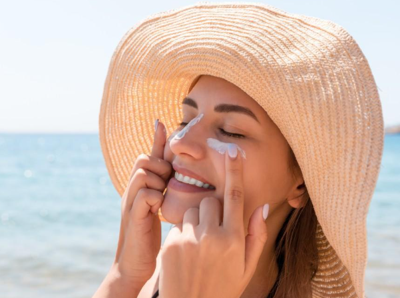

After a full day outside, the warmth of the sun can leave skin dry, tight, and uncomfortable. The mix of UV rays, heat, and sunscreen residue can strip away moisture and weaken the skin’s barrier. Knowing how to care for skin after sun exposure helps it recover quickly and stay healthy.
Simple steps make a big difference in comfort and recovery. Gentle cleansing, rehydration, and calming ingredients can bring back softness and balance without harsh products. This guide explains how to refresh skin after sun exposure so it feels smooth, cool, and soothed again.
Moisturize with a fragrance-free, hydrating lotion to restore the skin barrier
After sun exposure, the skin can feel tight and dry. Applying a fragrance-free lotion helps calm redness and reduce discomfort. A gentle, hydrating formula works best since strong scents or acids may irritate sensitive skin.
A product designed for sensitive or sun-stressed skin should lock in moisture without clogging pores. Brands such as Elire create science-backed creams that target dryness and uneven tone, helping the skin recover naturally. Consistent use supports smooth texture and keeps the barrier from losing more moisture overnight.
Dermatologists often advise fragrance-free moisturizers because they reduce inflammation and itchiness. Ingredients like ceramides, glycerin, or hyaluronic acid help the outer layer hold water and heal from mild sun stress. Lightweight, fast-absorbing lotions are good choices for daily use, as they hydrate deeply without leaving a greasy feel.
Take a cool shower to cleanse skin and reduce inflammation
A cool shower helps the body recover after long exposure to the sun. It gently lowers skin temperature and washes off sweat, salt, and any leftover sunscreen that might clog pores. Unlike hot water, cool water helps calm the skin instead of drying or irritating it.
The cool temperature also helps reduce redness and swelling. This relief happens because cooler water limits blood flow to irritated areas, which may ease discomfort and slow peeling. As a result, the skin feels soothed and refreshed rather than tight or itchy.
Using a mild, fragrance-free cleanser supports the skin’s natural barrier. Harsh soaps can strip natural oils that protect against dryness. After showering, it helps to pat the skin dry with a soft towel instead of rubbing. Applying a light moisturizer right away locks in needed hydration and supports healing.
Apply aloe vera gel to soothe and hydrate sun-exposed skin
Aloe vera gel helps calm irritated skin after sun exposure. Its natural moisture supports repair by cooling hot, tight areas and easing redness. The gel absorbs quickly, which makes it feel fresh instead of greasy.
To use it, they should clean the skin first and pat it dry. Then, they can apply a thin, even layer of pure aloe vera gel to the affected areas. This step helps lock in moisture and reduce dryness that often follows long hours in the sun.
For the best results, it helps to choose a product with aloe vera listed as the main ingredient and no alcohol or perfume. These additives can irritate the skin and slow healing. In addition, reapplying the gel several times a day keeps the skin hydrated and comfortable until it returns to normal.
Use a cold compress on heated areas to relieve discomfort
A cold compress can calm skin that feels hot or tight after too much sun. The cool temperature helps lower surface heat and can lessen redness. It also gives quick comfort to areas that sting or feel swollen.
To make one, they can soak a clean cloth in cold water, squeeze out the extra, and place it gently on the skin. Ice can work too, but it should stay wrapped in a thin cloth to prevent frostbite. After about 10 to 15 minutes, the skin usually feels cooler and less irritated.
They can repeat this several times a day if needed, letting the skin rest between uses. The cool treatment helps slow blood flow to reduce swelling and may ease soreness. It offers a simple, safe way to calm sun-exposed skin without harsh products.
Avoid harsh soaps and exfoliants that can irritate sensitive skin
After long sun exposure, skin often feels tight or tender. Using strong soaps can strip away natural oils that help it stay balanced. Products with heavy fragrances, alcohol, or sulfates may also cause stinging or dryness.
Gentle cleansing helps the skin recover faster. A mild, fragrance-free cleanser removes sweat and sunscreen without upsetting the surface. Lukewarm water works best because hot water can make redness or discomfort worse.
Rough scrubs and harsh exfoliants can damage the protective layer of the skin. It is better to allow the skin time to repair before using any exfoliant again. If exfoliation feels necessary, a soft formula with fine particles or a mild enzyme base is safer.
Moisturizing right after cleansing helps lock in hydration. Creams with ingredients like ceramides or hyaluronic acid calm and protect skin that has faced sun exposure. Consistent, gentle care allows skin to return to a smooth, healthy state.
Comfort after sun exposure also depends on what comes into contact with the skin during recovery. Breathable, natural fabrics help reduce friction and moisture buildup, which can worsen irritation on sensitive areas. Choosing items such as 100 percent cotton panties, along with loose-fitting clothing, can support comfort while the skin calms and heals. Cotton is commonly valued for its softness and airflow, making it suitable when skin feels warm or tender. These small choices work alongside gentle skincare to help maintain balance after time in the sun.
After spending time in the sun, skin benefits from simple care that restores comfort and balance. Gentle cleansing, cool compresses, and rich hydration help calm redness and dryness without harsh ingredients.
Moisturizers with aloe vera or other soothing elements help limit peeling and discomfort. Drinking enough water supports healing from within, maintaining softness and elasticity.
Daily habits such as applying sunscreen, wearing protective clothing, and seeking shade reduce the need for recovery later. With steady care, skin stays healthy, smooth, and better prepared for future sun exposure.





(0) comments
We welcome your comments
Log In
Post a comment as Guest
Keep it Clean. Please avoid obscene, vulgar, lewd, racist or sexually-oriented language.
PLEASE TURN OFF YOUR CAPS LOCK.
Don't Threaten. Threats of harming another person will not be tolerated.
Be Truthful. Don't knowingly lie about anyone or anything.
Be Nice. No racism, sexism or any sort of -ism that is degrading to another person.
Be Proactive. Use the 'Report' link on each comment to let us know of abusive posts.
Share with Us. We'd love to hear eyewitness accounts, the history behind an article.