
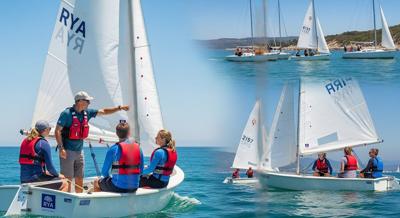
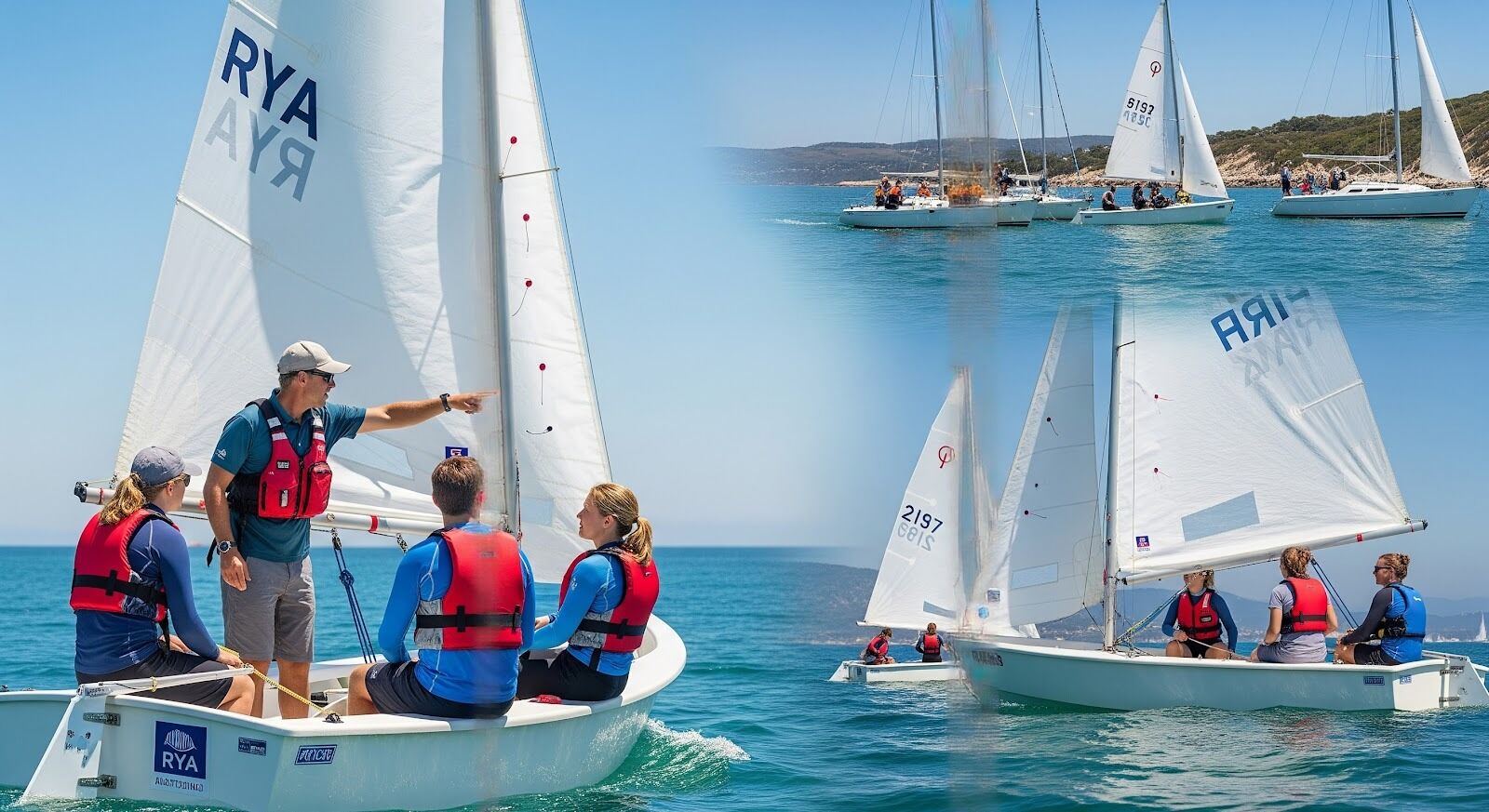
Individuals considering RYA sailing courses frequently enquire about the distinction between formal training and unstructured time on the water. This distinction is apparent when training begins. Certified programs incorporate organised knowledge, close mentoring, and carefully constructed vessels to help learners develop true competency. By combining these activities, participants gain not only skills but also confidence, awareness, and a stronger connection to the water.
Learning From Skilled Tutors
The teaching staff is an important contributor to the learning process. This is possible due to their background, which enables them to simplify complex movements into simple ones that learners can follow. The students need not guess how to answer questions about wind or tide changes; they are given explanations based on experience. Any minor modification can contribute to the safety and ease of navigation. The presence of a professional will turn difficult situations into a constant opportunity for improvement.
Experiencing Thoughtfully Designed Yachts
Yachts used in certification training have features that facilitate learning. Their structures are in good condition, and students are given good equipment. Reactive sails, tidy rigging, and hulls well-balanced allow students to experience the effects of changes on movement. Training boats are also designed with safety considerations to help students use basic skills to perform more advanced manoeuvres. The chance to experiment is a safe way to learn.
Receiving Personalised Instruction
Good programmes recognise that no two learners will progress at the same rate. Tutors tailor lessons to students' individual talents and challenges. Some students need time to gain confidence in steering, whereas others master navigation quickly and require new challenges to remain engaged. One-on-one tuition will help every sailor lay a solid foundation. Instead of rushing through the content, tutors can tailor the experience to their students' competence and comfort level.
Building Seamanship Through Practice
Hands-on experience is the foundation of any sailing excursion. Certified training involves repeating instructions, helping learners internalise each movement until it becomes automatic. Mundane tasks such as patching sails, studying circumstances, and connecting with others become more meaningful over time. The accumulation of abilities leads to an increased sense of responsibility. Students begin to understand how each decision affects the boat, the crew, and the overall journey. Such knowledge improves judgement and safety in real-world circumstances.
Understanding Conditions With Confidence
Weather patterns and water behaviour can vary quickly. Certified programmes are used to train students on how to read signs that would otherwise be overlooked. By using clouds, wind direction, tide direction, and vessel reaction, learners can foresee change rather than react drastically. Remembering expectations helps reduce anxiety and make better decisions. The lessons also help develop respect for the environment, where sailors are supposed to move with the sea rather than struggle against it.
Developing Teamwork and Communication
Cruising seldom succeeds without cooperation. The certified training underscores the importance of effective communication and unrestricted coordination among crew members. When the workload changes, the respondents are taught to share, assist, and act promptly. Good coordination enhances efficiency and minimises risk when performing complicated manoeuvres. The skills for interacting with people can be applied in the real world, making the learning experience more significant.
Progressing Toward Advanced Skills
Students who have learnt the fundamentals of sailing can progress to more difficult trips. Continued training enables navigation planning, night sailing, coastal passages, and problem-solving, all of which are possible. Certified Programs are structured programs that will allow sailors to progress systematically. As levels are completed, learners can gain meaningful recognition of their abilities, which opens the door to chartering, club membership, and competition.
Investing in Safety and Preparedness
Certified education includes extensive safety training. Students are taught how to respond to equipment malfunctions, unforeseen weather situations, and maritime crises. This understanding will help sailors defend themselves and others. Preparedness reduces uncertainty during stressful moments, allowing you to stay calm and make judgments. Such lessons stay with pupils long after the course is completed.
What Makes the Investment Worthwhile
Certified training can provide real-world skills and technical know-how. Students get access to experienced tutors, excellent ships, specialised teaching, and structured development. The combination of these variables creates an environment in which confidence can be naturally and safely developed. Sailing courses help you transform curiosity into competency, making time on the water more fun and meaningful. Anyone interested in learning more about sailing will find that formal training provides a solid foundation for a lifelong pursuit of adventure.
(0) comments
We welcome your comments
Log In
Post a comment as Guest
Keep it Clean. Please avoid obscene, vulgar, lewd, racist or sexually-oriented language.
PLEASE TURN OFF YOUR CAPS LOCK.
Don't Threaten. Threats of harming another person will not be tolerated.
Be Truthful. Don't knowingly lie about anyone or anything.
Be Nice. No racism, sexism or any sort of -ism that is degrading to another person.
Be Proactive. Use the 'Report' link on each comment to let us know of abusive posts.
Share with Us. We'd love to hear eyewitness accounts, the history behind an article.