

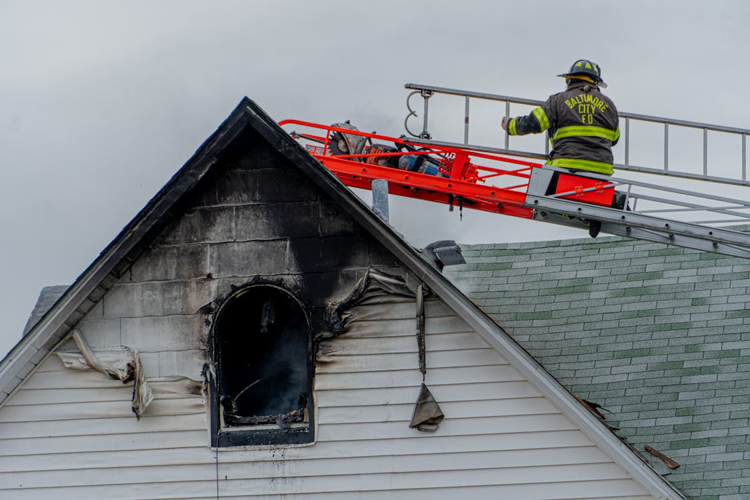
When something goes wrong at home, it rarely arrives politely. A burst pipe at 2 a.m. A fire that leaves smoke where your living room used to feel safe. Stormwater is creeping across floors faster than you can grab towels. In those first moments, you’re not thinking clearly. That’s normal. But the truth is, the first 24 hours after a home emergency shape everything that follows. This is where calm, informed action matters more than panic or guesswork. Resources like the emergency restoration hub exist for exactly this reason: to help you move from shock to smart decisions without wasting time.
This guide walks you through what to do, what not to do, and how to protect both your home and your headspace during those crucial first hours.

Why Your First Decisions Matter More than the Damage Itself
Damage feels like the enemy. Water soaking into walls. Smoke settling into fabrics. Structural cracks that weren’t there yesterday. But the real turning point isn’t the damage. It’s how you respond to it.
The first decisions you make determine whether a manageable situation becomes a long, expensive recovery, or something that spirals. Acting quickly doesn’t mean rushing blindly. It means knowing which steps stabilise the situation and which ones make things worse.
In the early hours, your priorities should be simple and in this order:
Stop the source of damage if it’s safe to do so.
Document everything.
Prevent further loss.
Miss one of these, and you may spend months undoing avoidable mistakes.
The First Hour: Stabilise Before you Clean
Your instinct may be to grab mops, towels, or tools. Resist that urge until you’ve checked the essentials.
If there’s water, shut off the main supply immediately. If electricity is involved and water is present, do not enter flooded areas until power is cut. If there’s fire or smoke damage, ventilate only if it doesn’t compromise structural safety.
This is not the time for deep cleaning or DIY repairs. The goal is to stabilise, not fix.
Once the immediate danger is under control, take photos and videos of everything. Wide shots. Close-ups. Damage progression if it changes. These records matter later for insurance, assessments, and accountability.
The Biggest Mistakes Homeowners Make When They Wait Too Long
Waiting feels reasonable when you’re overwhelmed. “Let me sleep on it.” “I’ll deal with this tomorrow.” Unfortunately, time is rarely on your side after an emergency.
Here are the most common delays that cause long-term problems.
Assuming the Damage is Only Cosmetic
Water behind walls doesn’t announce itself. Smoke odour embeds deep into materials long after visible soot is gone. Waiting allows hidden damage to worsen quietly.
Letting Moisture Sit
Even clean water becomes a problem when it lingers. Within 24 to 48 hours, mould risk increases dramatically. Once mould takes hold, restoration becomes far more complex.
Calling the Wrong Help First
Many people phone a general contractor or cleaner instead of a specialist. That often leads to partial fixes that have to be redone properly later.
Trying to Save Money Too Early
Cutting corners on the first day almost always costs more later. Emergency response is not where shortcuts pay off.
How Emergency Restoration Hub Helps You Make Fast, Informed Decisions
How to find reliable emergency restoration guidance when time is critical with Emergency Restoration Hub
When every hour matters, you don’t have time to sift through conflicting advice, outdated blog posts, or guess which contractor actually knows what they’re doing. Emergency restoration hub acts as a central source of clear, practical guidance when you need it most. Instead of bouncing between opinions, you get grounded information that helps you understand what should happen next, what questions to ask, and how to avoid common missteps that slow recovery. In a moment where clarity feels scarce, having a reliable reference point changes how confidently you move forward.

What to Do Between Hours 6 and 24
Once the immediate danger is contained, the next phase begins. This is where thoughtful action pays off.
Arrange a Professional Assessment
Even if the damage seems minor, get an expert opinion early. They can identify issues you can’t see and help prioritise next steps.
Prevent Secondary Damage
This might mean temporary boarding, dehumidifiers, tarps, or isolating affected areas. These are protective steps, not permanent solutions.
Contact Your Insurer, but Stay Informed
Notify them promptly, but remember their role is financial, not restorative. Understanding the process helps you advocate for proper remediation, not just quick fixes.
Avoid Throwing Things Away Too Soon
Damaged items often need documentation before disposal. Check first, even if it feels obvious.
Understanding Restoration Timelines so You Don’t Panic
One of the biggest stressors is not knowing how long things will take. While every situation differs, most emergency restoration follows a general rhythm.
Assessment and stabilisation come first.
Drying, cleaning, and remediation follow.
Rebuilding or repairs come last.
Knowing this sequence helps you stay patient and realistic. If someone jumps straight to rebuilding without proper remediation, that’s a red flag.
Questions You Should Be Asking Early On
You don’t need technical expertise, but you do need the right questions.
What hidden damage should I be concerned about?
How will you prevent mould or secondary issues?
What documentation will I need later?
What should I not do right now?
Good professionals welcome these questions. Vague answers are a warning sign.
Why Calm Action Beats Fast Reactions Every Time
Speed matters, but clarity matters more. The homeowners who recover best aren’t the ones who move fastest. They’re the ones who move deliberately.
You don’t need to do everything in one day. You need to do the right things, in the right order.
The first 24 hours aren’t about fixing your home. They’re about setting the foundation for proper recovery. When you focus on safety, documentation, expert guidance, and informed decisions, you protect more than your property. You protect your future time, your finances, and your peace of mind.
And when the chaos starts to settle, you’ll be glad you didn’t let panic write the plan.
Here are some other articles related to your search:
- Fire & Smoke Damage Restoration in Greenfield, MA
- How to Repair and Maintain a Residential Roof
- The Truth About Whitening Grout: Household Hacks vs Professional Solutions

(0) comments
We welcome your comments
Log In
Post a comment as Guest
Keep it Clean. Please avoid obscene, vulgar, lewd, racist or sexually-oriented language.
PLEASE TURN OFF YOUR CAPS LOCK.
Don't Threaten. Threats of harming another person will not be tolerated.
Be Truthful. Don't knowingly lie about anyone or anything.
Be Nice. No racism, sexism or any sort of -ism that is degrading to another person.
Be Proactive. Use the 'Report' link on each comment to let us know of abusive posts.
Share with Us. We'd love to hear eyewitness accounts, the history behind an article.