
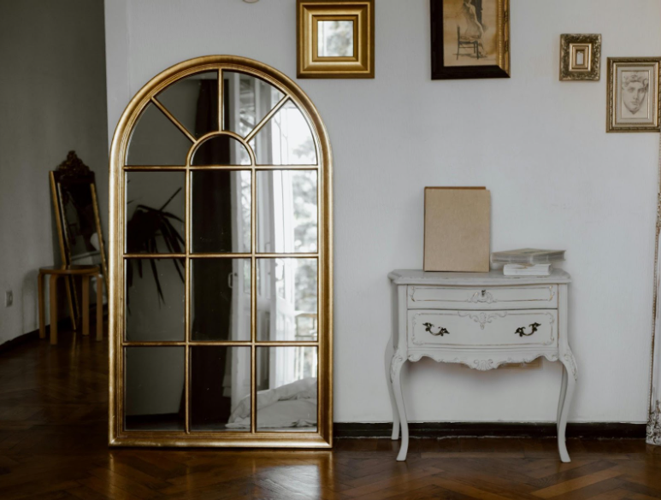
A minimalist bedroom works best when every detail supports calm, rest, and a sense of quiet presence. The goal is not to strip the room bare, but to create a place where your thoughts can settle without competing distractions. A space shaped by intentional choices invites slow evenings, easier mornings, and a feeling of steady comfort throughout the day.

By focusing on clarity, balanced design, and gentle textures, you create a room that supports deep rest. The ideas that follow highlight simple changes that can help you build a bedroom that feels light, soft, and genuinely comforting without adding unnecessary elements.
Clean Lines That Support Relaxation
Clean lines offer a soothing sense of order that helps your eyes rest the moment you step inside the room. Simple silhouettes create gentle structure without visual noise, making the space feel open and breathable. A bed frame with smooth edges, modest bedside tables, and a dresser with quiet geometry set the tone for a steady environment.
These shapes help your mind slow down after a long day. When the foundation of the room remains consistent and balanced, the atmosphere becomes calm and supportive. Every clear line contributes to the wider sense of comfort surrounding your sleeping area.
A Soft, Neutral Color Palette That Calms the Mind
Soft tones shape the emotional temperature of a minimalist bedroom, guiding it toward a peaceful mood. Light browns, warm whites, gentle creams, and pale grays blend smoothly with natural light and create a steady visual rhythm. These shades never demand attention, which allows you to ease into rest more quickly.
They support the textures and materials in the room without creating strong contrasts that might interrupt the feeling of calm. A consistent palette lets your eyes move slowly across the space, allowing your mind to settle. Color applied with restraint contributes strongly to a comforting bedroom.
Textiles That Add Comfort Without Overcrowding
Textiles introduce softness and warmth, giving the bedroom a gentle, cozy feel without overwhelming its simplicity. Choosing luxurious linens and bamboo bedding adds an extra layer of softness while remaining breathable and eco-friendly, enhancing restfulness and tactile pleasure. A plush rug, breathable duvet, or neatly folded throw can elevate comfort without gathering excess items.
Each fabric should feel pleasant against the skin, encouraging relaxation the moment you lie down or step onto the floor. Selecting a small number of well-made pieces keeps the room from feeling heavy. Thoughtful textiles support the minimalist intention while offering physical comfort.
Mindful Storage That Reduces Visual Weight
Good storage keeps the room peaceful by removing visual clutter and maintaining smooth surfaces. A minimalist bedroom benefits from drawers that close softly, baskets placed out of the main sightline, and wardrobes that blend into the walls. When everyday items have reliable homes, the room feels lighter and easier to manage.
This approach makes the bedroom simpler to tidy, which supports comfort long-term. Under-bed storage, built-ins, and dual-purpose furniture strengthen the sense of openness by hiding items that can interrupt calm. Organized storage encourages steady routines and gives the room a restful character that carries through every part of the day.
Natural Materials That Build Warmth
Natural elements help balance the simplicity of minimalism with inviting warmth. Wood, cotton, linen, and stone add subtle depth without overwhelming the space. A wooden frame, a soft linen blanket, or a woven basket introduces texture that feels grounded and welcoming.
These materials create a gentle variation that softens the room, making it more comfortable to spend time in throughout the year. Their understated character works well with neutral palettes, reinforcing a feeling of quiet harmony.
Organic touches remind the senses of calm environments found outdoors, helping the bedroom remain a retreat from daily demands. Their presence adds comfort without unnecessary decoration.
Lighting That Supports a Peaceful Atmosphere
Lighting shapes how a minimalist bedroom feels at every hour. Soft, warm light helps evenings unwind gently, while strategic placement prevents harsh shadows that can disrupt calm. Lamps arranged at different heights build gentle layers that are easy on the eyes.
Wall sconces, small table lamps, or a low-glow pendant can create a comforting atmosphere without crowding the room. Indirect lighting keeps the space smooth and relaxing, supporting slower nighttime routines. Dimmers add flexibility by allowing you to match the brightness to your mood.
Purposeful Furniture Placement for Easy Movement
The arrangement of furniture influences how easily you move through the room and how relaxed the space feels. A centered bed with reachable pathways creates a gentle flow and reduces the sense of obstacles. Clear walking areas help the room feel spacious, even when the footprint is small.
Placing large pieces along the longest walls keeps the visual field open and steady. Seating, storage, and nightstands should be placed with intention, avoiding unnecessary crowding.
When movement feels smooth, your routines become calmer and more predictable.
Thoughtful Decor With Clear Intent
Decor in a minimalist bedroom should enrich the atmosphere without demanding too much attention. A single plant, a simple framed piece, or a modest ceramic item can provide character while still keeping the room open. Each object gains significance when surrounded by negative space, encouraging slow appreciation rather than quick distraction.
The goal is to choose items that contribute meaningful presence rather than quantity. This measured approach strengthens the room’s sense of calm and gives every piece a clear purpose. Thoughtful decor keeps the visual field uncluttered, making comfort easier to maintain and helping the room feel fully intentional.
Personal Rituals That Give the Space Purpose
A minimalist bedroom becomes truly comforting when it supports the gentle routines that matter in your daily life. A small reading corner, a morning stretch area, or a simple nightstand arrangement can guide your rhythms without adding clutter. These rituals turn the room into a place of habit and comfort, strengthening your connection to the space.
Clear surfaces make each routine feel smooth and unhurried, encouraging consistent rest. When the environment aligns with your personal needs, it creates grounding stability through familiar actions. Rituals transform minimalism from a visual style into a meaningful part of your day.

A minimalist bedroom brings comfort by focusing on clarity, gentle textures, and intentional design. When the elements in the room work together with steady balance, your mind can relax more easily. Natural materials, calm colors, soft lighting, and thoughtful layouts create a restful environment without excess.
The space becomes easy to maintain and pleasant to return to every day. By shaping the room around purposeful choices and quiet routines, you create a retreat that welcomes steady comfort. Minimalism thrives when it supports real living, encouraging calm and comfort through simplicity rather than emptiness.
(0) comments
We welcome your comments
Log In
Post a comment as Guest
Keep it Clean. Please avoid obscene, vulgar, lewd, racist or sexually-oriented language.
PLEASE TURN OFF YOUR CAPS LOCK.
Don't Threaten. Threats of harming another person will not be tolerated.
Be Truthful. Don't knowingly lie about anyone or anything.
Be Nice. No racism, sexism or any sort of -ism that is degrading to another person.
Be Proactive. Use the 'Report' link on each comment to let us know of abusive posts.
Share with Us. We'd love to hear eyewitness accounts, the history behind an article.