
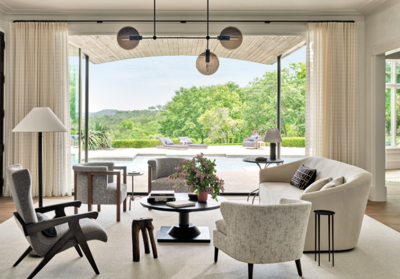

A home needs more than attractive paint colors and well-chosen furniture to feel functional, comfortable, and welcoming. The layout matters just as much as the finishes. A smart floor plan helps rooms connect naturally, supports daily routines, brings in light, and makes the entire home easier to live in.
Architectural insight plays a major role in creating a home that works well. From room placement and traffic flow to privacy, storage, outdoor access, and long-term flexibility, every design choice should support the way people actually live.
Understanding Home Flow
Home flow refers to how rooms connect and how people move through the space. A good layout should feel natural, not confusing or crowded. Doorways, hallways, stairs, furniture placement, and sightlines all affect how comfortable a home feels.
To truly understand your architect’s vision, it helps to look at how each room relates to the next. Architects often design pathways that make movement feel seamless, whether someone is walking from the kitchen to the dining area, from the entryway to the living room, or from a bedroom to an outdoor patio.
Maximizing Natural Light
Natural light can completely change the feel of a home. Architects often consider window placement, ceiling height, room orientation, and open sightlines to make the most of available sunlight.
Large windows, glass doors, skylights, and open living areas can help light move throughout the home. This creates a warmer, more spacious feeling while also reducing the need for artificial lighting during the day. In the right layout, sunlight becomes part of the design rather than an afterthought.
Balancing Open and Private Spaces
A strong home layout balances openness with privacy. Open-concept spaces are useful for entertaining, family time, and everyday connection. They allow kitchens, dining areas, and living rooms to feel more social and accessible.
Private areas still matter. Bedrooms, offices, reading rooms, and quiet corners give residents places to rest, focus, or retreat. A well-designed home gives each space a clear purpose without making the overall layout feel disconnected.
Designing for Functionality
Functionality is one of the most important parts of home design. A beautiful room is only successful if it also works for daily life. Kitchens need efficient storage, practical work zones, and enough room to move comfortably. Living rooms should support conversation, relaxation, and traffic flow. Bedrooms should feel calm, private, and easy to use.
Architects consider how each room will be used before deciding where it belongs in the home. This helps create spaces that feel intuitive rather than forced.
Adapting to Family Needs
Family needs change over time, and a thoughtful home layout should be able to adjust. A nursery may later become a study. A playroom may become a guest room. A formal dining room may turn into a flexible workspace or media room.
Architects often include adaptable features such as multi-purpose rooms, flexible partitions, open bonus spaces, or layouts that can evolve as family routines change. This kind of flexibility helps a home remain useful for many years instead of feeling outdated too quickly.
Creating Visual Harmony
A cohesive home layout also depends on aesthetics. The best spaces feel connected visually, even when each room has its own purpose. Materials, colors, flooring, lighting, and architectural details should work together rather than compete with one another.
Aesthetic components of design help shape the mood of a home. Architects often work with homeowners to understand their personal style and translate it into a layout that feels unified, polished, and livable.
Connecting Indoor and Outdoor Spaces
A strong connection between indoor and outdoor spaces can make a home feel larger and more enjoyable. Patios, balconies, courtyards, gardens, and outdoor dining areas can become natural extensions of the interior layout.
Large sliding doors, covered patios, and well-placed windows can create smoother transitions between inside and outside. When done well, outdoor spaces become part of everyday living rather than areas that are only used occasionally.
Prioritizing Sustainability
Sustainable design is becoming an increasingly important part of home planning. Architects may consider energy efficiency, material choices, insulation, ventilation, window placement, and water-saving features during the design process.
Features such as solar panels, energy-efficient windows, green roofs, rainwater collection systems, and durable materials can help reduce environmental impact. A sustainable layout can also make a home more comfortable and cost-effective over time.
Using Technology Thoughtfully
Smart home technology can make daily life easier when it is integrated properly. Lighting, climate control, security systems, appliances, and entertainment features can all be designed to work with the home instead of cluttering it.
The goal is to make technology feel useful and unobtrusive. Architects can help plan wiring, controls, placement, and access points so the home remains clean, functional, and easy to manage.
Emphasizing Safety and Accessibility
A well-designed home should also be safe and accessible. Wide doorways, step-free entries, slip-resistant surfaces, good lighting, and thoughtful bathroom layouts can make a home easier for people of different ages and mobility levels to use.
Accessibility is not only important for older adults or people with mobility concerns. It can make a home more comfortable for everyone, from young children to visiting relatives. Smart design considers both present needs and future possibilities.
Why Architectural Insight Matters
Architectural insight helps turn a house into a home that works. The right layout balances beauty, comfort, function, privacy, sustainability, and flexibility. It supports daily routines while still leaving room for change.
When architects consider flow, light, outdoor access, safety, and long-term family needs, the result is a home that feels more natural to live in. A thoughtful layout does not just look good on paper. It makes everyday life easier, more comfortable, and more enjoyable.
For more design inspiration, read Living Room Interior Design Trends for Modern Homes, How to Plan Your Interior Design Before You Move, and How to Create the Perfect Office Bedroom.
(0) comments
We welcome your comments
Log In
Post a comment as Guest
Keep it Clean. Please avoid obscene, vulgar, lewd, racist or sexually-oriented language.
PLEASE TURN OFF YOUR CAPS LOCK.
Don't Threaten. Threats of harming another person will not be tolerated.
Be Truthful. Don't knowingly lie about anyone or anything.
Be Nice. No racism, sexism or any sort of -ism that is degrading to another person.
Be Proactive. Use the 'Report' link on each comment to let us know of abusive posts.
Share with Us. We'd love to hear eyewitness accounts, the history behind an article.