
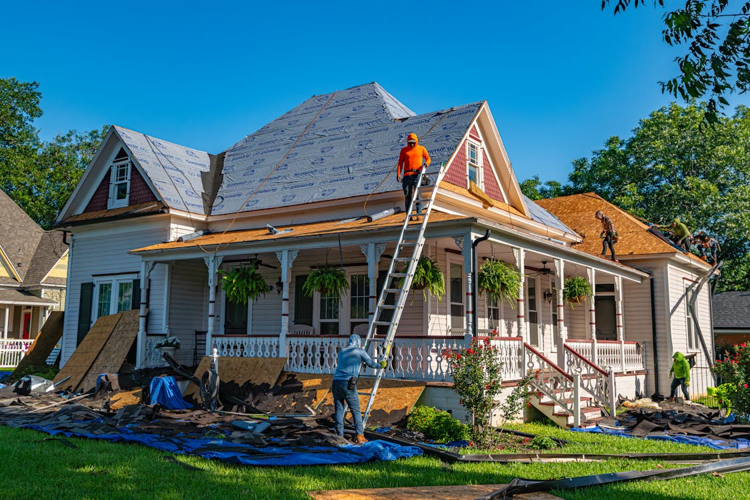
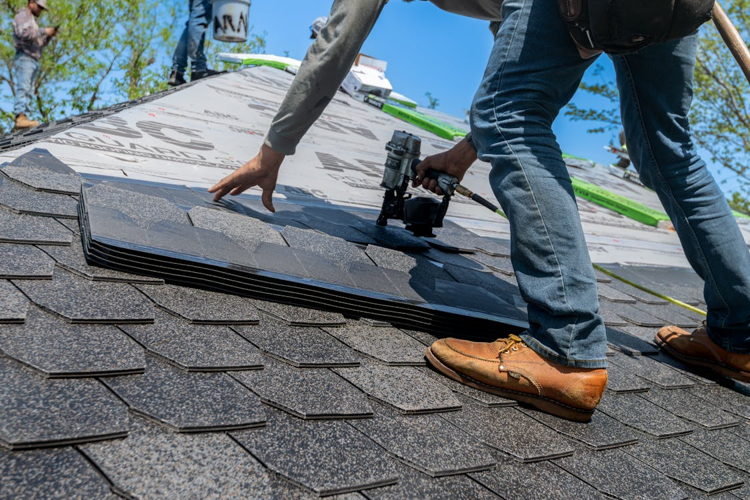
Upgrading a residential roofing system represents a major financial commitment for property owners. Preparing for this large structural project requires careful planning - alongside deep research and clear communication.
The entire installation process can feel completely overwhelming without proper knowledge. Learning about different choices and material steps ahead of schedule helps streamline the upcoming construction timeline.
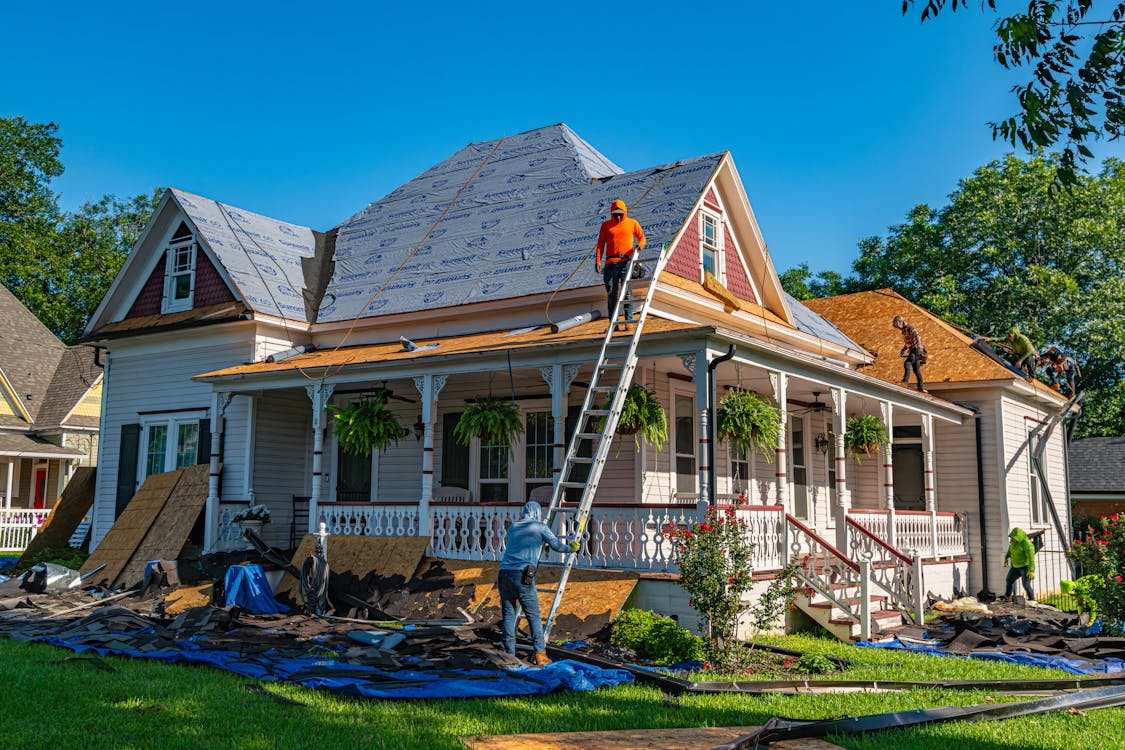
Identifying Signs Of Severe Structural Wear
Leaking water inside your attic space provides an obvious warning sign of roof failure. Dark spots on your upper ceiling indicate that moisture has already breached the outer defenses. Ignoring these tiny indicators leads to extensive wood rot in the framing underneath.
Curling, buckling, or missing shingles represent another clear signal that replacement is necessary. Strong seasonal winds tear brittle materials away from the wooden surface quite easily. Shingles losing their protective asphalt granules leave your home exposed to harsh weather elements.
Sagging rooflines demand immediate expert attention before dangerous structural collapse occurs. This clear physical dipping means support beams have softened from long exposure to hidden moisture. Addressing these structural issues keeps your household safe from unexpected indoor disasters.
Evaluating Options For Professional Installation
Choosing the right team to handle your home upgrades requires looking at local experience. Checking customer reviews provides honest insight into how a crew manages daily job site challenges. True professionals maintain proper liability coverage to protect their property from accidental damage.
Gathering multiple detailed bids lets you compare specific service offerings side by side. Many reputable roofing companies offer comprehensive property estimates before any contracts get signed. Reviewing these written proposals helps you identify hidden fees before work begins on your home.
Experienced contractors handle the heavy physical labor and maintain strict safety standards on site. They understand the ideal weather conditions needed for specific material applications. Relying on expert craftsmanship prevents premature system failures caused by incorrect installation methods.
Understanding Local Building Code Requirements
Municipal permits remain mandatory for major exterior renovation activities in most residential neighborhoods. Property owners need to prioritize obtaining official permits and learning local guidelines to prevent legal complications during construction. Working without these legal documents leads to heavy fines or forced reconstruction delays.
Homeowners' associations often enforce strict guidelines regarding shingle colors and acceptable building materials. Submitting detailed design plans to your local board avoids costly disputes later. Approval processes can take several weeks, so early submission keeps your timeline on track.
Local building codes dictate specific ice dam prevention measures and wind resistance requirements. Historical residential districts maintain even tighter rules to preserve the architectural heritage of the neighborhood. Following these regulations guarantees that your property passes final municipal safety inspections.
Reviewing High Tech Diagnostic Assessment Tools
Advanced diagnostic equipment has changed how top contractors evaluate residential structures. An industry tracking report notes that drones carrying high-definition cameras combined with automated software analysis are standard instruments for modern contractors. These aerial tools spot hidden structural weaknesses without requiring dangerous manual climbing.
Digital modeling programs generate exact measurements of your surface area instantly. This advanced precision reduces material waste and allows for highly accurate cost estimations. Property owners receive transparent data that eliminates guesswork during the negotiation phase.
Thermal imaging devices identify trapped moisture underneath old shingles before tearing begins. Catching these wet spots helps target specific areas needing complete deck replacement. Modern technology provides clarity that helps homeowners make informed decisions about their investments.
Comparing Popular Residential Material Choices
Selecting a design style involves evaluating both immediate aesthetics and long-term durability. Modern product catalogs offer countless options designed to fit different architectural styles. Matching the right material with your exterior walls improves the look of your property.
Traditional asphalt products remain popular for their affordability and straightforward installation processes. Metal panels offer incredible longevity but demand a higher upfront financial investment. Premium slate tiles deliver a luxury look that lasts for generations under ideal environmental circumstances.
Natural wood shakes provide a rustic charm that appeals to historic property collectors. Synthetic alternatives replicate this natural appearance without requiring constant chemical preservation treatments.
Estimating Total Project Expenses Accurately
Establishing a clear budget prevents financial strain throughout the remodeling project. Property owners must calculate material costs alongside local labor fees before signing any agreements. Unexpected expenses frequently arise once construction workers remove the old protective layers.
Hidden structural damages require extra funding that you must prepare for in advance. Smart property planners allocate emergency funds to address hidden issues smoothly. Your project budget should account for these specific items:
- Rotten plywood deck replacement fees
- Upgraded ventilation hardware costs
- Disposal bin rental rates
Financing programs offer flexible payment schedules for families needing urgent structural assistance. Home equity lines or specialized personal loans cover these large expenses without wiping out personal savings.
Preparing Your Property For Construction Day
Clearing the perimeter around your house protects personal belongings from falling debris. Shingles and heavy nails drop from the roofline throughout the intense demolition process. Moving patio furniture, vehicles, and potted plants to a safe distance prevents accidental damage.
Trimming low tree branches gives workers clear access to the entire structural boundary. Heavy supply trucks require open driveways to unload heavy pallets of materials safely. Clear paths allow crew members to transport heavy items without tripping over yard obstacles.
Informing your neighbors about the scheduled construction dates maintains good community relations. The loud noise from nail guns and tearing tools fills the local air for days. Giving a warning allows nearby residents to adjust their outdoor schedules accordingly.
Weighing Complete Tear Off Versus Layering
Installing new shingles over an existing layer seems like a cost-effective shortcut. This method saves money on labor and disposal fees during the initial installation phase. Adding extra weight can strain the underlying structural supports of your residence.
A complete tear-off allows contractors to inspect the wooden deck for hidden rot. Fixing damaged sheathing guarantees a solid foundation for your new weather barrier. This thorough approach extends the lifespan of the finished installation significantly.
Many local building codes restrict residential properties to a maximum of two shingle layers. Overloading the framework leads to dangerous sagging or premature failure under heavy winter snow. Choosing a full replacement remains the safest option for long-term home protection.
Anticipating Construction Timelines And Delays
Most standard residential projects require two to three days of active labor. Small homes with simple layouts might see completion in a single afternoon under perfect conditions. Large estates featuring complex angles demand extra time for meticulous detail work.
Unfavorable weather conditions alter construction schedules without warning. High winds or sudden rainstorms force crews to pause work to maintain safety standards. Contractors cover exposed sections with heavy tarps until dry weather conditions return.
Material shortages can delay the start of your renovation unexpectedly. Ordering specialized tiles or custom metal panels months in advance keeps your timeline secure. Clear communication with your contractor prevents frustration regarding these external delivery schedules.
Maximizing Long-Term Thermal Performance
Upgrading your home defenses provides an excellent opportunity to lower monthly utility bills. A regional construction study revealed that property owners frequently save 10 to 15 percent annually on utility bills after completing upgrades. Modern materials reflect solar heat rather than absorbing it into your living spaces.
Attic ventilation systems work alongside new materials to regulate indoor temperatures. Proper airflow prevents heat buildup during hot summer months and stops moisture accumulation during winter. Balancing intake and exhaust vents maximizes the efficiency of your cooling units.
Cool roof options use reflective granules to bounce sunlight away from your residence. This specialized technology reduces dependency on air conditioning units during peak thermal periods. Investing in these efficient features pays dividends through reduced energy consumption year after year.
Verifying Material Defect Coverage Terms
Two separate types of protection shield your investment from future defects. Manufacturer warranties cover material flaws in the shingles or panels themselves. Workmanship coverage shields you against installation mistakes made by the assembly crew.
Registering your product with the manufacturer validates the coverage after installation finishes. Skipping this administrative step can void your protection if problems develop down the road. Keep all receipts and signed contracts in a safe digital folder for future reference.
Transferable warranties add value when you sell your property later. Future buyers appreciate knowing the structural coverage carries over to their new ownership. Discussing these transfer details beforehand clarifies the long-term benefits of your product selection.
Managing Waste And Cleanup Procedures
Demolition generates a massive amount of discarded material that requires proper containment. Roll-off dumpsters placed in driveways collect hundreds of old shingles every single hour. Protecting your concrete from heavy dumpster scratches involves placing wooden boards underneath the metal wheels.
Crew members use specialized magnetic sweepers to collect stray nails from your lawn. This meticulous cleaning process protects your family and pets from painful puncture injuries. Workers focus on cleaning these critical zones:
- Grass patches near downspouts
- Flower beds along walkways
- Driveway cracks and crevices
Confirming waste removal terms in your initial agreement prevents unexpected leftover trash piles. Reputable teams include debris disposal fees within their comprehensive initial estimates. Reviewing these cleanup details keeps your property pristine once the crew departs.

Replacing your old protective layer requires substantial preparation but delivers immense peace of mind. Focusing on material quality and financial planning sets your project up for success.
Taking time to understand municipal regulations and yard preparations keeps the timeline moving smoothly. Your home receives a durable upgrade that protects your family for decades ahead.
(0) comments
We welcome your comments
Log In
Post a comment as Guest
Keep it Clean. Please avoid obscene, vulgar, lewd, racist or sexually-oriented language.
PLEASE TURN OFF YOUR CAPS LOCK.
Don't Threaten. Threats of harming another person will not be tolerated.
Be Truthful. Don't knowingly lie about anyone or anything.
Be Nice. No racism, sexism or any sort of -ism that is degrading to another person.
Be Proactive. Use the 'Report' link on each comment to let us know of abusive posts.
Share with Us. We'd love to hear eyewitness accounts, the history behind an article.