
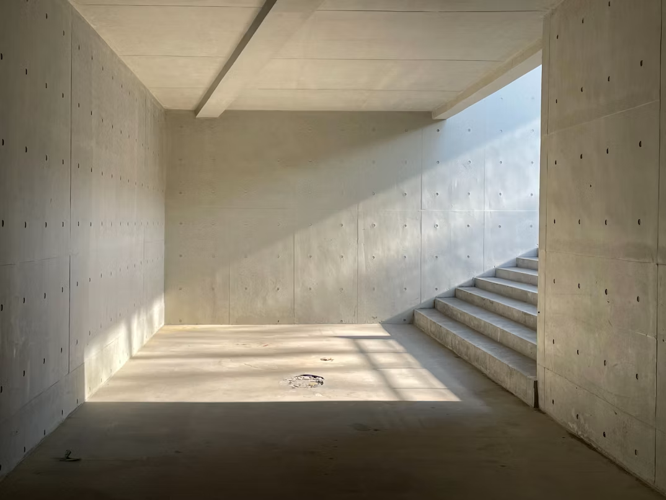

The foundation is the most critical element of any building, dictating its structural longevity, safety, and energy efficiency. For decades, traditional poured-in-place concrete was the standard approach for subterranean residential and commercial construction. However, advancements in structural engineering and manufacturing have shifted the paradigm toward precast concrete basement foundations.
As modern construction schedules tighten and environmental demands grow, relying on on-site pouring introduces variables that can jeopardize a project’s timeline and quality. In contrast, precast concrete components are manufactured off-site under highly regulated factory conditions before being transported and assembled on-site. This article explores the engineering, economic, thermal, and environmental benefits of utilizing precast concrete for basement foundations, explaining why it has become the preferred choice for forward-thinking builders and engineers.

The Engineering Evolution: Precast vs. Traditional Poured Concrete
To understand why precast concrete represents a major evolutionary leap forward, one must look at the limitations inherent to traditional poured concrete. A poured foundation requires assembling intricate formwork on-site, installing rebar manually, and waiting for transit mixers to deliver the wet concrete mix. Once poured, the concrete is entirely at the mercy of localized weather conditions. High humidity, sudden rainfall, extreme heat, or freezing temperatures can disrupt the delicate chemical process of hydration, leading to issues like scaling, honeycombing, or structural weakness.
Precast concrete removes these unpredictable external elements from the equation entirely. Because the fabrication occurs within an enclosed, climate-controlled facility, every aspect of production is monitored with scientific precision. The water-to-cement ratio is strictly regulated, the aggregate distribution is perfectly uniform, and the curing environment is optimized to retain heat and moisture.
This controlled hydration process yields an incredibly dense matrix. While standard poured-in-place residential foundations typically achieve a compressive strength of 2,500 to 3,000 pounds per square inch (PSI), precast concrete wall panels regularly exceed 5,000 PSI. This massive upgrade in material density dramatically improves resistance to structural loads, seismic forces, and shear stress, giving a structure a far more resilient subterranean envelope.
Thermal Mass and Energy Efficiency
One of the most compelling, long-term operational advantages of a precast concrete basement is its inherent energy efficiency. Basements are naturally subject to the steady, cool temperatures of the earth surrounding them, but they can easily become drafty, damp, and costly to heat if insulated improperly. Traditional poured concrete walls often act as thermal bridges, allowing interior heat to escape into the cold subsoil during winter.
Precast concrete counteracts this through the physical mechanism of thermal mass. Thermal mass is the ability of a heavy, dense material to absorb, store, and slowly release heat energy over time.
This high volumetric heat capacity means that precast basement panels act as an exceptional thermal battery for a home or commercial building. During the day, the walls absorb ambient heat from the interior environment or heating systems. As exterior temperatures drop overnight, the walls slowly radiate that stored heat back into the living space.
Furthermore, many commercial precast foundation panels are manufactured with a "sandwich" design, featuring a thick layer of rigid closed-cell insulation packed directly between an outer and inner concrete shell. This creates a continuous thermal break that eliminates thermal bridging. By pairing a high volumetric heat capacity with integrated factory insulation, precast basements significantly flatten daily temperature fluctuations, reducing the load on HVAC systems and lowering monthly utility costs.
Unmatched Moisture Resistance and Waterproofing
Moisture intrusion is the primary enemy of any subterranean structure. Hydrostatic pressure, the force exerted by groundwater against a basement wall, will ruthlessly exploit any microscopic crack, pore, or weak joint in a foundation. Traditional poured concrete foundations are highly vulnerable to hydrostatic pressure because they inherently form shrinkage cracks as the high volume of water required for on-site pouring evaporates out of the setting concrete.
Precast concrete panels possess exceptional resistance to water penetration due to their low water-to-cement ratio and manufacturing density. Because the concrete is consolidated using specialized high-frequency industrial vibrators during casting, air pockets and voids are eliminated. The resulting substrate is virtually non-porous, making it highly impermeable to water vapor and liquid capillary action.
Additionally, precast basement systems reduce the reliance on field-applied liquid waterproofing membranes, which can degrade or be damaged during the backfilling process. Precast panels are engineered with built-in features such as protective water barriers, continuous drainage planes, and specialized tongue-and-groove joint profiles. These joints are sealed using high-performance, commercial-grade polyurethane sealants and structural bolts, ensuring a flexible yet watertight seal that accommodates natural soil settling without cracking or leaking.
Environmental Sustainability and Lifecycle Advantages
As the global construction sector pushes toward net-zero emissions and reduced environmental impact, material choice matters more than ever. The production of traditional poured concrete on active job sites often results in material over-ordering, concrete wash-out waste, and the single-use disposal of wooden or composite formwork.
Precast concrete shifts the manufacturing paradigm to a highly circular, low-waste model. Industrial precast plants use reusable steel molds, allowing a single form to shape thousands of identical panels over its operational lifespan. Concrete mix designs are calculated electronically down to the ounce, which almost eliminates material waste. Any excess wet concrete generated during a pour is routinely recycled within the facility to create smaller concrete elements, such as parking curbs or retaining blocks.
The long-term lifecycle sustainability of precast structural elements is equally impressive. Data from the Mineral Products Association Precast highlights that up to 95 per cent of concrete and reinforcement used in precast structural concrete is recyclable at the end of its viable use.
This high level of circularity ensures that when a building eventually reaches the end of its functional life, the basement foundation does not simply become permanent landfill waste. Instead, the high-density concrete can be crushed into high-grade aggregate for new concrete mixes or road base, while the embedded structural steel reinforcement can be extracted magnetically and remelted into new structural components. Additionally, the longevity of precast concrete means it routinely outlasts poured alternatives, reducing the frequency of structural replacement and conserving raw natural resources over a multi-generational timeline.
Accelerating the Construction Schedule
In real estate development and residential construction, time translates directly into financial carrying costs. Delaying a project by even a few weeks can result in thousands of dollars in extended equipment rentals, labor overhead, and loan interest accumulation. Once the excavation is complete and a level gravel footing bed is prepared, the precast panels are delivered to the site via flatbed trucks. A crane lifts the panels directly from the truck bed and sets them precisely onto the footing. Experienced basement contractors can often erect, align, and bolt together a complete residential precast foundation in less than a single day. Because the panels arrive at the site fully cured to their optimal 5,000+ PSI strength, backfilling can commence almost immediately after installation.
Wood or steel framing crews can walk onto the deck the next morning and begin building upper levels without waiting for a chemical curing window. This rapid deployment shortens the overall construction schedule by weeks, allowing projects to reach lock-up status earlier and significantly minimizing weather-related delays. Developers looking to maximize these operational efficiencies can utilize advanced concrete contractor services to seamlessly coordinate the logistics of off-site casting and rapid on-site assembly.
Architectural Flexibility and Interior Customization
A common misconception is that precast concrete limits design freedom due to its prefabricated nature. In reality, modern precast manufacturing offers structural and aesthetic flexibility that is incredibly difficult to achieve with traditional poured methods.
Because concrete precast panels are cast face-down in steel forms, manufacturers can integrate specialized form liners to create intricate exterior textures, such as realistic brick, stone, or wood-grain finishes. This eliminates the need for secondary cosmetic masonry work on exposed basement walls above the final grade line.
Internally, precast foundation walls are designed with the end-user in mind. Many panels are engineered with built-in concrete studs that feature pre-punched holes for routing electrical wiring and plumbing lines. These integrated studs are faced with metal or wood furring strips, allowing interior drywall to be screwed directly to the foundation walls without the need to build a separate wood-framed stud wall inside the basement. This feature preserves valuable square footage, reduces interior material costs, and drastically accelerates the process of finishing a basement into a comfortable living space, home office, or recreational room.
Long-Term Value and Structural Peace of Mind

When evaluating the financial aspect of precast basement foundations, it is essential to look beyond the initial upfront material cost and look at the total cost of ownership. While a precast system may command a modest premium during the initial purchasing phase compared to a basic poured-in-place wall, the long-term return on investment is overwhelmingly positive.
The absence of structural shrinkage cracks translates directly into fewer warranty claims, fewer basement water remediation calls, and zero need for costly epoxy injection repairs down the road. The superior structural density prevents the wall from bowing and shifting, which frequently plagues older poured concrete basements subjected to heavy lateral soil pressures.
For property owners, a precast basement delivers a dry space, smells clean, and maintains comfortable ambient temperatures year-round. It eliminates the damp, musty atmosphere traditionally associated with subterranean rooms, paving the way for immediate use as high-value living space. From an appraisal standpoint, a fully certified, structurally superior precast foundation adds measurable equity to a property, reassuring future buyers of the building's underlying build quality.
The shift from traditional on-site poured concrete to precision-engineered precast concrete foundations represents a major step forward for the modern building industry. By optimizing the structural density of the concrete matrix, precast technology delivers a basement envelope that excels in load-bearing capacity, moisture defense, and long-term structural durability.
(0) comments
We welcome your comments
Log In
Post a comment as Guest
Keep it Clean. Please avoid obscene, vulgar, lewd, racist or sexually-oriented language.
PLEASE TURN OFF YOUR CAPS LOCK.
Don't Threaten. Threats of harming another person will not be tolerated.
Be Truthful. Don't knowingly lie about anyone or anything.
Be Nice. No racism, sexism or any sort of -ism that is degrading to another person.
Be Proactive. Use the 'Report' link on each comment to let us know of abusive posts.
Share with Us. We'd love to hear eyewitness accounts, the history behind an article.