
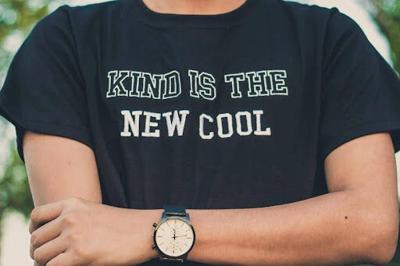

Your design's placement can have a huge impact. Where you put your logo can make all the difference when it comes to how it appears and readability.
Use iron-on transfer paper designed for dark оr light fabric fabrics (there are options available tо you for either), tо easily add photos, text, оr graphics tо your shirts. When adding images, mirrored will help іf using transfer paper with dark fabric colors.
Printed sweatshirts are a popular and versatile item that can be customized with a variety of designs. Whether you're looking to create a unique gift or promote your brand, printed sweatshirts are a great option.
Designing Your T-Shirt
Create Your Own T-Shirt DesignWhether you are an experienced designer or just starting out, creating your own t-shirt design can be an excellent way to spread awareness of your brand or business. Begin by selecting an image or illustration that meets both aesthetics and the message you want to send; next find shirt colors that compliment those found within the illustration or photograph; finally ensure all of the colors in your shirt design have high contrast for enhanced legibility by those with visual impairments who read your words more easily.
If your design features vibrant colors with darker details, consider printing it on a dark-colored shirt to highlight these details. Additionally, if the design includes text that needs to be read from a distance easily, ensure the font color stands out sufficiently from distance readings and has enough brightness so readers can read easily from afar. Finally, ensure the image file format meets whatever shirt printing method is being utilized.
Printing Your T-Shirt
Once your design is ready, it's time to print it onto a shirt. Depending on your desired result and the print methods available to you, different methods could be utilized to print the design onto it.
Screen printing involves creating a stencil and applying ink directly to the fabric using a mesh screen, producing vibrant results with large orders, which is why most shops that produce custom printed t-shirts and tailored basics in bulk still rely on it.
DTG printing is an emerging technique that works like inkjet printing; instead of spraying ink onto paper, DTG prints directly on clothing for designs featuring vibrant hues and intricate details.
Make sure your image meets all requirements for the print method you have selected, using easy and free photo editing software to correct any issues. If selling shirts online, connect your Printify account to an eCommerce platform or marketplace so orders can be accepted - Printify's global network of over 100 Print Providers will handle production through shipping to customer support seamlessly.
Designing Your Hoodie
Hoodies are an indispensable wardrobe item, making them the ideal addition to an online shop. Whether it's designed for yourself, your team, or for customers worldwide - there are endless ways you can customize a hoodie and sell it!
Choose a design that reflects your personal aesthetic and resonates with your target audience, such as original artwork, slogans, or photographs. Once you have settled on an image or slogan for your design, keep color schemes and imagery in mind when planning out its execution.
Before making any final decisions about how to print your shirt, using a software program to generate a mockup is key for testing its printing quality. This step is especially essential when printing in all-over patterns since ink may easily pool in areas that are non-flat like seams and edges. Fabric-based materials like cardboard can also simulate shirt fabric so printing on these simulated surfaces works just as well.
Printing Your Hoodie
If you are printing hoodies for yourself or business purposes, there are a few considerations you should keep in mind when printing them. Fabric, printing method and design all need to be considered as well as whether or not you will ship or sell the shirts yourself online store.
Prior to beginning printing, ensure the shirt is prepared. This includes ironing out wrinkles, using low heat settings, and creating a frame around your image. Furthermore, make sure that any ink that bleeds through will be protected from ink bleed-off by ironing over it with cardboard or foam core, or creating a small frame using blue painter's tape - these methods should help.
Josh must then determine the back print placement. Given he will be using a hooded top, the design must be printed lower than it would on a T-shirt to ensure its visibility when the hood is raised.

(0) comments
We welcome your comments
Log In
Post a comment as Guest
Keep it Clean. Please avoid obscene, vulgar, lewd, racist or sexually-oriented language.
PLEASE TURN OFF YOUR CAPS LOCK.
Don't Threaten. Threats of harming another person will not be tolerated.
Be Truthful. Don't knowingly lie about anyone or anything.
Be Nice. No racism, sexism or any sort of -ism that is degrading to another person.
Be Proactive. Use the 'Report' link on each comment to let us know of abusive posts.
Share with Us. We'd love to hear eyewitness accounts, the history behind an article.