
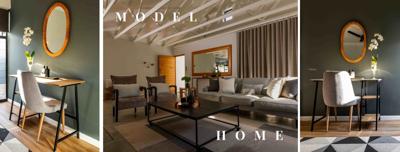
Interior design might seem simple to the untrained eye, but it’s a complex thing to wrap your head around. You only need to look at experts like Christopher Boots to realize how much goes into even the minor aspects of interior design.
Professionals like Christopher specialize in certain components of interior design, such as lighting. Although you don’t need to become an expert in every single area of interior design, it’s a good idea to make yourself familiar with the main components.
Whether you’re upgrading your current home’s interior design or you’ve recently moved into a new property and want to add your own unique style to each room, you’ve come to the right place! We’re going to cover the key components of interior design to keep in mind when you’re re-designing your home.
7 Interior Design Components to Consider When Re-Designing Your Home
Interior design comprises seven key elements. Missing or misjudging just one of these components can skew your interior design and reduce its effectiveness. Taking each element one by one will ensure that you get the most out of your interior design and create the home of your dreams.
The seven elements of interior design are color, line, light, form, pattern, space, and texture.
Color
Colors can influence your psychology at a subconscious level. The color theme you choose for your interior design can, therefore, impact the overall feeling of your room.
You can use color to evoke certain emotions and create ambiance in your home. It can make a room look more spacious, cozier, or more formal. For example, you might use a neutral, toned-down color theme for a home office to promote productivity. In your living room, you might go for more vibrant colors to add character and comfort.
Darker colors are better when you want to create a feeling of power or mystery. However, most of the time, sticking to lighter colors is more appropriate for the home as they are more calming and inviting.
Line
The structural components and accessories in a room create lines that contribute to the overall vibe of your interior design. As a general rule of thumb, heavier lines create a feeling of formality and stability, whereas simple lines evoke excitement and anticipation.
Horizontal lines, such as those created by tables and desks, widen a room. Vertical lines, such as those produced by doors and windows, can make the room look taller.
Diagonal or curved lines (known as dynamic lines), such as those created by stairways or rounded ornaments, create a character and impact the flow of energy inside your home.
Light
Lighting can be both natural and artificial. Keeping the window space in a room open and clutter-free allows as much natural light to flow into the space as possible.
You can enhance this by adding unique lighting fixtures and lamps around the room, or using ambient bulbs that make your home feel comfortable and cozy.
Form
Form refers to the shapes that are produced by your interior design. It is influenced by the shape of the room itself and any furniture or accessories that you are at. Using a variety of different shapes and angles can impact the appearance (or form) of a room significantly.
Pattern
Another key component of interior design is the pattern. In a similar way to texture, patterns can completely transform the vibe of a room. They add texture and character to evoke a certain mood.
There is an endless variety of different patterns to include in your interior design and it’s relatively easy to do so. You can add patterns to your home through curtains, rugs, blankets, and ornaments.
Space
Space refers to the gaps between your furniture and accessories. It can be split up into positive and negative space, with the former referring to space that is filled with objects and the latter being empty space.
Many people feel the need to fi every single inch of their rooms with decor but it’s helpful to leave some negative space. Empty space enables you to create a neat and modern.
Texture
Texture enhances both the look and feel of your home. Mixing textures creates character and adds depth to a room. You can include a range of different materials and fabrics in your furniture and accessories will enhance the textual components of your interior design.

(0) comments
We welcome your comments
Log In
Post a comment as Guest
Keep it Clean. Please avoid obscene, vulgar, lewd, racist or sexually-oriented language.
PLEASE TURN OFF YOUR CAPS LOCK.
Don't Threaten. Threats of harming another person will not be tolerated.
Be Truthful. Don't knowingly lie about anyone or anything.
Be Nice. No racism, sexism or any sort of -ism that is degrading to another person.
Be Proactive. Use the 'Report' link on each comment to let us know of abusive posts.
Share with Us. We'd love to hear eyewitness accounts, the history behind an article.