
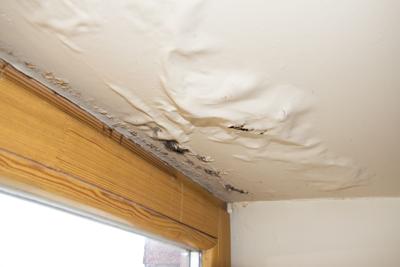

Water damage made up nearly twenty percent of homeowner insurance losses in 2020. That's no small amount!
Water damage can lead to repairs that can cost a lot of money and potential health hazards. So, whenever possible, it's essential to take steps for prevention.
How do you prevent water damage to your home? Read on for our top suggestions.
1. Maintain Your Gutters
Gutters redirect water away from your roof and foundation, but if they become clogged with leaves, debris, or other materials, they can overflow and cause water damage.
Clean your gutters out at least once in each of the warmer seasons. Remove debris from your gutters to prevent blockages. You can use a gutter scoop, a trowel, or a leaf blower to remove debris.
Inspect your gutters for damage. Look for cracks, holes, or rust spots in your gutters. If you find any problems, repair or replace that part of the gutter.
Gutter guards can help prevent debris from clogging up your gutters. A few options for gutter guards are available, including mesh screens, foam inserts, and reverse curve systems.
Check that your gutters are sloping correctly towards the downspouts. If they are not, water may pool in certain areas and cause damage. Ensure that your downspouts are not blocked and are directing water away from your foundation.
2. Fix Leaks Promptly
Don't ignore leaks, regardless of their size. Even a tiny leak can lead to significant water damage over time. Repair any leaks as soon as you see one.
If you're too afraid to fix your leaks yourself, hire a plumber to fix them for you. They can diagnose the issue and ensure that it's fixed correctly.
3. Check For Water Damage Regularly
Regularly inspect areas of your home prone to water damage, such as the roof, basement, and around windows and doors.
Look for signs of water damage on your home's exterior, such as peeling paint or warped wood. Regularly check your roof for signs of damage, such as missing or cracked tiles, loose shingles, or sagging areas.
Check your ceilings, walls, and floors for water stains, indicating a leak or moisture problem. Inspect your pipes and plumbing fixtures for signs of leaks, such as damp spots or rusted pipes.
Check for mold and mildew growth in damp areas, such as bathrooms, kitchens, and basements. Use a hygrometer to keep an eye on your home's humidity levels. Humidity levels above 50% can promote mold and mildew growth.
4. Install a Sump Pump
If you have a basement that often suffers from flood damage, install a sump pump in your home to help prevent flooding.
Consider the size of your home and the amount of water that needs to be removed to determine the size and power of the sump pump you need.
Choose a location in your basement or crawl space where water tends to accumulate. The sump pump should be placed in a pit or basin dug into the ground.
You can also add extra drains to your home. For example, you can check out the advice on window drains installation linked here.
5. Keep Your Plumbing in Good Condition
Have your plumbing inspected regularly to catch any problems before they become significant. Replace old pipes and fittings that are showing signs of wear and tear.
Inspect your plumbing regularly for signs of leaks, corrosion, or damage. Check pipes, faucets, and appliances such as dishwashers and washing machines.
Properly use and dispose of items that can cause clogs, such as grease, oils, and wipes. Address clogs promptly to avoid damage to your plumbing system.
Schedule regular maintenance for your plumbing system, such as cleaning your pipes and draining your water heater.
6. Upgrade Your Appliances
If your appliances are old or showing signs of wear, consider replacing them with newer, more efficient models less likely to leak or malfunction.
Choose high-quality appliances that are less likely to break or malfunction. Look for appliances with good reviews and warranties.
Install water sensors near your appliances to detect leaks early and prevent water damage. These sensors can send alerts to your phone or alarm system, allowing you to address the issue promptly.
Install shut-off valves on your appliances to prevent water damage in case of a leak or malfunction. These valves can automatically shut off the water supply to the appliance, preventing further damage.
7. Know Your Water Main Shut-off Valve
Locate your water main shut-off valve so you can quickly turn off the water in case of a leak or flood. The valve is typically located where the main water supply enters your home, usually near the perimeter of your property or in the basement. Look for a valve that is either a lever or a knob that can be turned.
To ensure the valve works correctly, turn it off and then turn on a faucet or two to ensure the water supply has been shut off completely.
Once you have located and tested the valve, label it with a permanent marker or tag to ensure you can find it quickly in an emergency.
8. Insulate Pipes
Insulate pipes to prevent them from freezing and bursting during cold weather. Identify pipes exposed to cold temperatures or unheated areas such as crawl spaces or attics. These pipes are more likely to freeze and burst, causing water damage.
Choose the correct insulation type for your pipes. Foam insulation is easy to install and ideal for straight runs pipes. Fiberglass insulation is better for pipes with bends or turns.
To install insulation right, wrap it tightly around the pipes. Then, seal any gaps. Use adhesive tape or cable ties to secure the insulation in place.
Insulate your water heater to prevent heat loss and reduce the risk of pipes freezing. This can also help reduce your energy bills. Check your insulation regularly to ensure it's still in good condition, and replace any damaged or worn insulation.
Avoid Water Damage to Home: Start Today
Following these tips can help prevent water damage to your home and protect your property from costly repairs.
Do you need more home maintenance advice? We've got you covered. Take a look at some of our other posts on repairs you might need and so much more.


(0) comments
We welcome your comments
Log In
Post a comment as Guest
Keep it Clean. Please avoid obscene, vulgar, lewd, racist or sexually-oriented language.
PLEASE TURN OFF YOUR CAPS LOCK.
Don't Threaten. Threats of harming another person will not be tolerated.
Be Truthful. Don't knowingly lie about anyone or anything.
Be Nice. No racism, sexism or any sort of -ism that is degrading to another person.
Be Proactive. Use the 'Report' link on each comment to let us know of abusive posts.
Share with Us. We'd love to hear eyewitness accounts, the history behind an article.