
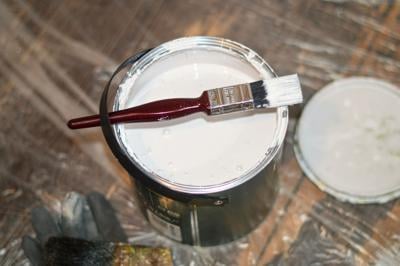

Transforming your living space into your dream home can be a gratifying endeavor. It's an opportunity to infuse your personality into every corner, creating an environment that reflects your unique tastes and lifestyle. Whether you want to revamp a single room or undertake a full-scale renovation, DIY home improvement offers endless possibilities.
From selecting the perfect color palette to mastering the art of upcycling, this guide is packed with tips and tricks to help you navigate your home improvement journey confidently and creatively.
Planning and Preparation: Laying the Groundwork for Success
Every successful home improvement project starts with thorough planning and preparation. Begin by setting clear goals for what you want to achieve. Are you looking to increase your home's functionality, enhance its aesthetic appeal, or both? Once your objectives are defined, create a detailed plan that includes design inspirations, materials needed, and a realistic timeline. Don't forget to budget accordingly, factoring in expected and unexpected expenses.
During this phase, it's crucial to consider the scale of your project and its impact on your daily life. For larger undertakings, determining the appropriate dumpster size for debris removal is essential to maintain a clean and safe work environment. This foresight will streamline the process, keeping your project on track and within budget.
Color Schemes and Decor: Infusing Personality into Your Space
Choosing a suitable color scheme is pivotal in setting the tone for your home. Colors can influence mood and perception, making this decision more than just an aesthetic one. When selecting hues, consider the function of each room and the ambiance you wish to create. Soft, neutral tones can evoke a sense of calm in bedrooms, while vibrant colors might energize social spaces like living rooms and kitchens.
Incorporating decor and accessories is where your style can truly shine. Mix and match different textures and patterns to add depth and interest. Embrace the art of upcycling by transforming old or vintage finds into chic, functional pieces. This can add a unique touch to your home and promote sustainability.
Space Optimization: Maximizing Functionality and Flow
In the realm of home improvement, efficiency is critical. Optimizing the layout and functionality of your space can significantly enhance your living experience. Consider innovative storage solutions to declutter and organize. Built-in shelves, hidden cabinets, and multi-functional furniture are just a few ways to make the most out of limited space.
The flow between rooms is another critical aspect of design. Aim for a layout that facilitates easy movement and fosters a sense of connectivity throughout your home. This can involve rethinking furniture placement, opening closed-off areas, or removing non-load-bearing walls to create an open-concept layout.
DIY Projects: Unleashing Your Creativity and Craftsmanship
DIY projects are the heart of home improvement, allowing you to put a personal stamp on your space while potentially saving on labor costs. Start with projects that match your skill level, gradually taking on more complex tasks as your confidence grows. Online tutorials, workshops, and community classes can be invaluable resources for learning new skills and techniques.
Whether refinishing furniture, laying new flooring, or installing custom lighting, each project offers an opportunity to learn and grow. Remember, the key to successful DIY is patience and precision. Take your time, measure twice, cut once, and don't be afraid to seek help when needed.
Sustainable Practices: Embracing Eco-Friendly Home Improvements
Sustainability is becoming increasingly important in home improvement. Making eco-friendly choices benefits the environment, improves your home's efficiency, and reduces utility costs. Consider using sustainable materials like bamboo flooring or recycled glass tiles. Investing in energy-efficient appliances, low-flow water fixtures, and proper insulation are other ways to make your home more sustainable.
Incorporating green spaces into your home, such as indoor plants or a vegetable garden, can improve air quality and provide a serene, natural atmosphere. These small changes can make a significant impact, contributing to a healthier planet and a more sustainable lifestyle.
Final Touches: Personalizing Your Space
The final stage of any home improvement project is adding those personal touches that make a house feel like a home. Displaying artwork, family photos, and cherished mementos can add warmth and character. Pay attention to lighting, as it can dramatically alter the mood of a room. Layering different light sources, from ambient to task lighting, can create a versatile and inviting atmosphere.
Conclusion
Embarking on a DIY home improvement journey can transform your living space, sense of accomplishment, and creativity. You can craft a beautiful, functional, and eco-friendly home by carefully planning, embracing your unique style, and incorporating sustainable practices. Remember, the key to success lies in patience, preparation, and the willingness to learn. With these tips and tricks, you can make your dream home a reality.
(0) comments
We welcome your comments
Log In
Post a comment as Guest
Keep it Clean. Please avoid obscene, vulgar, lewd, racist or sexually-oriented language.
PLEASE TURN OFF YOUR CAPS LOCK.
Don't Threaten. Threats of harming another person will not be tolerated.
Be Truthful. Don't knowingly lie about anyone or anything.
Be Nice. No racism, sexism or any sort of -ism that is degrading to another person.
Be Proactive. Use the 'Report' link on each comment to let us know of abusive posts.
Share with Us. We'd love to hear eyewitness accounts, the history behind an article.