
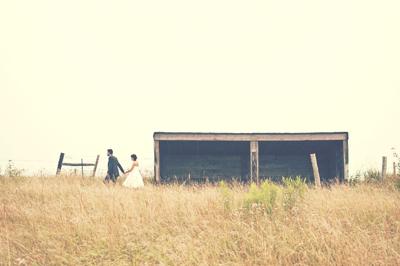

Constructing a pole barn offers a versatile and cost-effective solution for various storage and agricultural needs.
Whether you’re planning to build a barn for housing livestock, storing equipment, or creating a workshop space, there are several essential tips to consider before diving into the construction process.
From planning and design to material selection and construction, here’s a comprehensive guide to help you navigate through building your new pole barn.
10 Key Steps for Building a Pole Barn
1. Define Your Purpose and Needs
Understanding the primary purpose of your pole barn is crucial for an effective construction project.
Are you building it for agricultural use, such as storing machinery or sheltering livestock? Perhaps you plan to create a workspace or a multifunctional storage area?
Consider not only your immediate requirements but also the potential future uses of the space. Anticipating potential growth or changes in your needs will help ensure that the design and layout of the pole barn remain adaptable and functional over time.
This forethought allows you to tailor the dimensions, layout, and features of the barn to meet your specific needs, creating a versatile space that can evolve with your requirements.
2. Plan and Design Thoughtfully
Creating a detailed plan and design for your pole barn is fundamental to a successful build. Take into account various aspects such as the optimal size, interior layout, door placements, and potential additional features like windows, insulation, or electrical systems.
Consider sketching a floor plan or utilizing design software to visualize and fine-tune the final structure before commencing construction. This step allows you to make necessary adjustments, ensuring that the pole barn meets your functional requirements and aesthetic preferences.
Thoughtful planning and design minimize potential errors or modifications during the building process, ultimately saving time and resources.
3. Check Local Building Codes and Permits
Before breaking ground, acquaint yourself thoroughly with local building codes, zoning regulations, and permit requirements. Obtain all necessary permits and ensure strict adherence to the specified rules and guidelines.
By doing so, you'll avoid potential legal complications or construction delays that could arise during or after the building process. It's advisable to consult with local authorities or professionals familiar with local regulations to ensure full compliance and a smoother construction experience.
4. Choose the Right Location
Selecting the optimal location for your pole barn is the next important decision. Take into consideration factors such as accessibility for vehicles, adequate drainage, favorable sunlight exposure, and the surrounding terrain.
It's essential to choose a site with level ground suitable for construction to avoid future stability issues or drainage problems. Assessing these factors thoroughly ensures that the chosen location maximizes the functionality and longevity of your pole barn.
5. Decide on Materials Wisely
The choice of materials significantly impacts the durability and longevity of your pole barn. Opt for high-quality materials, such as steel and metal trusses for pole barns.
Additionally, investing in materials that can withstand the prevalent weather conditions in your area is crucial for ensuring the barn's resilience over time. Prioritize quality over cost to avoid frequent maintenance or premature deterioration of the structure.
6. Hire Experienced Contractors or DIY Carefully
When considering the construction process, weigh the options between hiring professional contractors and undertaking the project as a DIY endeavor. While building a pole barn yourself can potentially save money, it demands substantial expertise, time, and resources.
Hiring experienced contractors ensures not only quality workmanship but also adherence to safety standards and building codes. Carefully assess your capabilities and resources before deciding which approach aligns best with your project goals.
7. Ensure Proper Ventilation and Insulation
Maintaining a healthy environment inside the pole barn is essential, particularly when housing livestock or storing sensitive equipment. Adequate ventilation is key to promoting air circulation and reducing humidity levels.
Additionally, consider incorporating proper insulation to regulate temperatures and prevent condensation, especially in regions prone to extreme weather conditions. These measures ensure a comfortable and conducive environment while safeguarding the health and integrity of the stored items or livestock.
8. Pay Attention to Door Placement and Sizes
Thoughtful consideration of the barn door’s placement and size is vital for convenient access to the pole barn. Take into account the types of vehicles or equipment that will enter and exit the structure and plan door placements accordingly.
Ensure that the doors are wide and tall enough to accommodate the largest items you intend to store or maneuver within the barn, as properly positioned and sized doors will enhance the functionality and ease of use of your pole barn.
9. Budget Wisely and Plan for Contingencies
Setting a realistic budget for your pole barn construction is crucial for effective project management. Consider all costs involved, including materials, labor, permits, and any potential alterations or unexpected expenses that may arise during the building process.
Allocating a contingency fund within your budget helps mitigate unforeseen costs without hindering the project's progress. Thoughtful financial planning ensures that the project stays on track without compromising quality or functionality.
10. Prioritize Safety Throughout Construction
Emphasizing safety is paramount at every stage of the construction process. Ensure that proper safety measures are in place and all individuals involved adhere to safety protocols and use appropriate safety gear.
Following best practices and safety guidelines minimizes the risk of accidents or injuries, ensuring a secure working environment for everyone involved in the building process.
Prioritizing safety not only protects individuals but also contributes to the smooth and efficient completion of the project.
Conclusion
Building a pole barn can be a rewarding project when approached with careful planning and consideration of these essential tips.
By defining your needs, adhering to local regulations, selecting quality materials, and ensuring proper construction, you can create a durable and functional space that serves its intended purpose effectively.


(0) comments
We welcome your comments
Log In
Post a comment as Guest
Keep it Clean. Please avoid obscene, vulgar, lewd, racist or sexually-oriented language.
PLEASE TURN OFF YOUR CAPS LOCK.
Don't Threaten. Threats of harming another person will not be tolerated.
Be Truthful. Don't knowingly lie about anyone or anything.
Be Nice. No racism, sexism or any sort of -ism that is degrading to another person.
Be Proactive. Use the 'Report' link on each comment to let us know of abusive posts.
Share with Us. We'd love to hear eyewitness accounts, the history behind an article.