
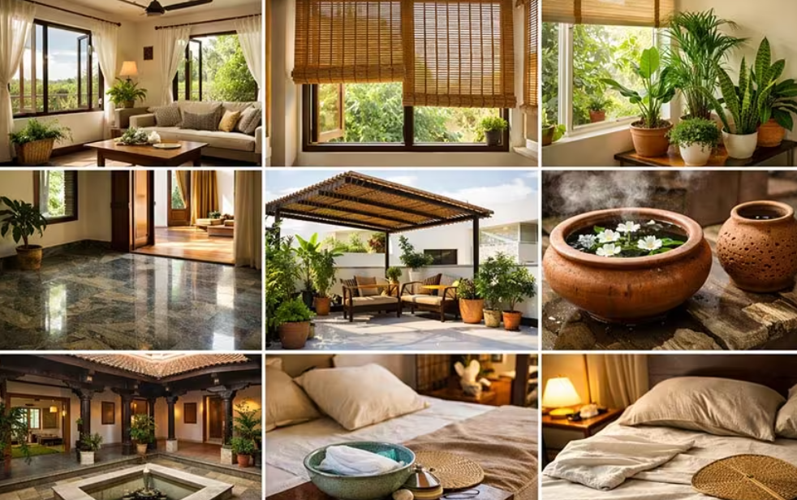

Summer season is already in full swing, and the intense heat can make even the most beautiful homes feel uncomfortable. With temperatures soaring for several months, creating a cool and relaxing indoor environment becomes essential. After a long day at work, everyone wants to return to a home that feels calm, refreshing, and comfortable.
The good news is that keeping your home cool does not always require major renovations or costly upgrades. With a few thoughtful adjustments, you can enjoy a more pleasant living space throughout the season. Here are five practical ways to keep your house cool in summer.
Keep Your Blinds Closed During Peak Heat
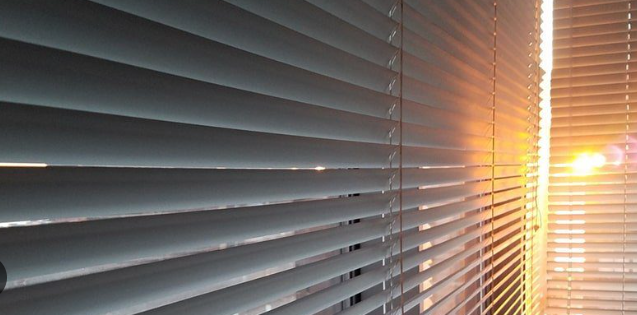
Windows allow natural light to brighten your home, but they can also invite excessive heat indoors. During the hottest parts of the day, keeping your blinds closed can help block direct sunlight and maintain a cooler indoor temperature.
Dark-colored blinds can be especially effective since darker shades absorb and emit heat efficiently. Even if your windows already have protective insulation, keeping the blinds shut during peak afternoon hours can make a noticeable difference in preserving a comfortable atmosphere indoors.
Install More Plants In the House
Nature has always played an important role in enhancing indoor living spaces. If you already have a beautiful lawn or garden, consider bringing more greenery closer to your home during the warmer months.
Fresh plants can help improve air quality by increasing oxygen levels while creating a naturally refreshing environment. Placing plants near windows or exterior spaces where sunlight enters can help create a cooler and more inviting setting. Hanging plants and indoor greenery can also add a stylish touch to your home décor.
Install an Air Conditioner
One of the most effective ways to beat the summer heat is to install an air conditioner. While it may require an upfront investment, it can dramatically improve comfort during the hottest months of the year.
An ideal air conditioner can help keep the entire house cool during summer season. Many modern systems are also designed with energy-efficient features that help reduce electricity consumption and lower utility bills. The living room is often the ideal place to install an air conditioner since it is where families typically spend the most time together.
Let the Night Air In
Summer days are often hot, but evenings can bring cooler temperatures. Taking advantage of the natural drop in temperature at night can help regulate the climate inside your home.
Open your windows after sunset and allow fresh air to circulate throughout the house. If indoor temperatures remain high, placing a fan near an open window can help push warm air outside. Homes with attic windows can also benefit from opening them at night to release trapped heat and welcome cooler air indoors.
Focus on the Temperature Within the Body

Sometimes staying cool begins with personal wellness. Instead of relying entirely on home upgrades, it is equally important to maintain healthy habits during the summer season.
Eating fresh fruits, light salads, and staying hydrated can help your body feel naturally cooler. It is also wise to limit beverages like tea and coffee, as they can contribute to dehydration and make you feel warmer.
Lastly
Your home is better than any other place in the world, so you better take care of its maintenance and improvement. By following these simple tips, you can create a cooler, more enjoyable living environment and make the most of the summer season.
(0) comments
We welcome your comments
Log In
Post a comment as Guest
Keep it Clean. Please avoid obscene, vulgar, lewd, racist or sexually-oriented language.
PLEASE TURN OFF YOUR CAPS LOCK.
Don't Threaten. Threats of harming another person will not be tolerated.
Be Truthful. Don't knowingly lie about anyone or anything.
Be Nice. No racism, sexism or any sort of -ism that is degrading to another person.
Be Proactive. Use the 'Report' link on each comment to let us know of abusive posts.
Share with Us. We'd love to hear eyewitness accounts, the history behind an article.