
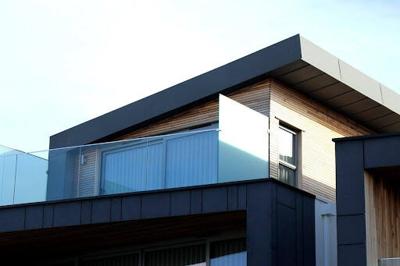

Roof damage can often go unnoticed until it becomes a significant problem. In areas with extreme weather conditions, roofs face challenges from heavy snowfall, strong winds, and intense sunlight. These elements can accelerate the wear and tear of materials, leading to leaks, structural damage, and costly repairs if not caught early.
For homeowners, especially those unfamiliar with roof maintenance, it’s important to know what to look for during inspections. Spotting issues early not only helps protect your home but can save you from more significant expenses in the long run. In this blog, we will share tips on how to spot early signs of roof damage and what steps you can take to maintain its condition.
Check for Leaks
Leaks are a common sign of damage, though they aren’t always immediately noticeable. Water may slowly make its way through, leading to stains on ceilings or walls. After a storm, inspect your home for any damp spots, peeling paint, or discoloration, as these can indicate moisture intrusion.
Flat surfaces are particularly vulnerable to leaks due to poor drainage and standing water. Regular inspections can help catch problems early. Remember that flat roof maintenance is different from sloped surfaces, as it requires careful attention to drainage systems and material integrity. Proper care can extend the life of your roof and prevent major repairs down the road.
Look for Missing or Damaged Shingles
One of the simplest ways to check for damage is by inspecting the shingles. Shingles are the first line of defense against weather elements, and they can become damaged over time due to high winds, hail, and heavy snowfall. Missing, cracked, or curled shingles are early warning signs that something is wrong. If these issues are not addressed, they can lead to water intrusion and leaks.
Walk around your home and visually inspect your roof. You don't necessarily need to climb onto the roof for this inspection. Using binoculars can help you get a closer look without putting yourself at risk. If you notice any missing or damaged shingles, it’s a good idea to address the issue immediately to prevent further damage.
Inspect Flashing Around Vents and Chimneys
Flashing is the metal material used to seal and protect the areas around roof penetrations, such as chimneys, vents, and skylights. Over time, the flashing can become damaged, rusted, or loose, creating gaps where water can seep through. These gaps are common places where leaks develop.
When inspecting the structure, pay close attention to the flashing. Look for any indications of wear, rust, or movement. If the flashing is no longer sealed properly or shows signs of deterioration, it may need to be repaired or replaced. Addressing flashing issues early can help prevent water damage and prolong the life of your home.
Check the Attic for Moisture
If there are any leaks or issues with moisture, the attic is often the first place you’ll notice them. Check your attic regularly for signs of moisture, such as damp insulation, musty odors, or visible mold. These can all indicate that water is making its way through the roof and into your home.
Mold and algae growth may not seem like a big issue at first, but they can weaken the structure over time. Mold thrives in moist environments, and its presence on your roof could indicate that water is not draining properly. Algae, on the other hand, often leaves dark stains on the roof and can break down the roofing material if left untreated.
If you notice anything, it’s important to clean it as soon as possible. There are roof cleaners available specifically designed for removing mold and algae without damaging the shingles. For more stubborn growth, it might be worth contacting a professional to clean your roof safely and effectively.
Examine Gutters for Shingle Granules
Shingle granules are the small, sand-like particles on the surface of asphalt shingles that protect them from UV damage. Over time, as shingles wear down, these granules may start to come loose and accumulate in your gutters. While it’s normal to find some granules in your gutters, an excessive amount is a sign that your shingles are deteriorating and may need replacement soon.
After cleaning your gutters, inspect the debris for shingle granules. If you notice a large amount, it could mean your roof is nearing the end of its lifespan, and you should consider a professional inspection to assess whether a roof replacement or repair is necessary. Though the task may seem tedious, it's worthwhile in the long run as it helps preserve your home's structural integrity.
Look for Sagging or Dips in the Roof
A sagging roof is often a sign of structural damage or water accumulation within the roofing materials. Sagging can be caused by excessive weight from snow, water trapped under the roofing material, or weakened roof supports. If your roof has any noticeable dips or sags, it’s a clear sign that something is wrong and requires immediate attention.
Take a step back from your house and look at the roofline. It should be straight and even. Any irregularities or areas that appear to be sinking should be addressed by a professional as soon as possible. Leaving this unchecked could lead to a more severe problem, such as a collapse or significant water damage inside your home.
At the end of the day, a well-maintained roof is more than just a structure—it’s a safeguard for everything beneath it. Regular inspections and proactive care are small efforts that prevent bigger headaches down the road. But beyond the practical benefits, there’s something deeper to consider: how we care for our homes reflects how we care for the lives we live within them. What steps are you taking today to not only protect your house but to also create a secure environment for your family? Investing in your roof’s longevity is investing in your peace of mind—an action that pays off far beyond just avoiding repairs.
(0) comments
We welcome your comments
Log In
Post a comment as Guest
Keep it Clean. Please avoid obscene, vulgar, lewd, racist or sexually-oriented language.
PLEASE TURN OFF YOUR CAPS LOCK.
Don't Threaten. Threats of harming another person will not be tolerated.
Be Truthful. Don't knowingly lie about anyone or anything.
Be Nice. No racism, sexism or any sort of -ism that is degrading to another person.
Be Proactive. Use the 'Report' link on each comment to let us know of abusive posts.
Share with Us. We'd love to hear eyewitness accounts, the history behind an article.