
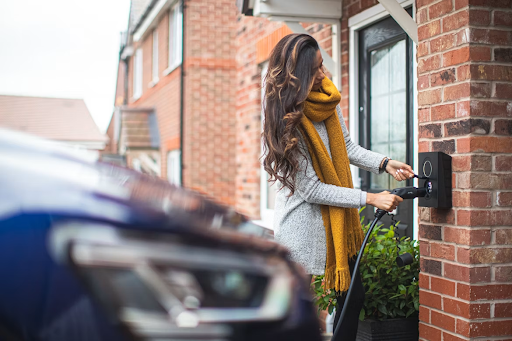
The front door has always said something about a home. It is the first welcome, the first layer of privacy, and often the first small test of how smoothly the day is going.
For years, that test involved keys. Keys in a bag. Keys left in yesterday’s jacket. Keys handed to a neighbor, copied for a contractor, or hidden under a planter in a way that felt clever for about three seconds. Keyless entry changes that familiar routine by making home access more flexible, more manageable, and better suited to the way people live now.
For today’s homeowners, keyless entry is not just a technology upgrade. It is a lifestyle upgrade. It can help families manage busy schedules, make it easier to let in workers or guests, reduce the need for spare keys, and connect the front door to a larger smart-home system. As FINE has covered in its guide to top smart security upgrades for modern luxury homes, the best home technology today is not only about protection. It is also about comfort, design, and ease of living.
Are Keyless Entry Systems Worth It for Homes?
For many homeowners, yes. Keyless entry is worth considering because it makes everyday access easier while giving homeowners more control over who can enter the house and when.
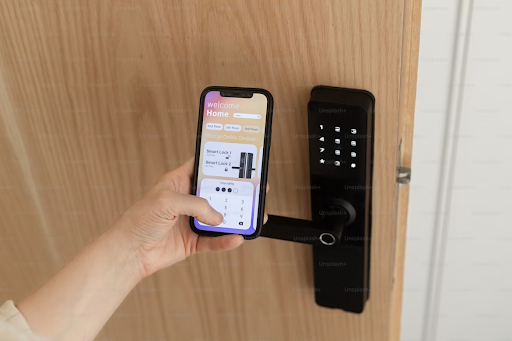
Instead of relying only on traditional keys, keyless entry allows access through a code, smartphone app, Bluetooth connection, fingerprint recognition, proximity feature, or a combination of options. That means a homeowner can create a temporary code for a cleaner, change a code after a contractor finishes work, or let a family member inside without handing out another physical key.
The biggest benefits are convenience, flexible access, smart-home compatibility, and fewer lost-key problems. The main drawbacks are battery dependence, app or connectivity issues, setup costs, and the need for good security habits. In other words, keyless entry is not magic. It is a practical tool, and it works best when homeowners manage it thoughtfully.
What Is Keyless Entry for a Home?
Keyless entry allows homeowners to lock and unlock a door without using a traditional physical key. Depending on the setup, access may happen through a keypad code, mobile app, Bluetooth connection, biometric feature, voice command, or automatic proximity detection.
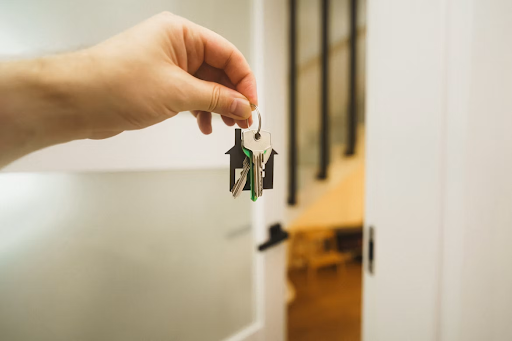
For homeowners, the appeal is simple: access becomes easier to manage. A physical key is permanent until the lock is changed or the key is returned. A code or digital access setting can often be changed, paused, or removed much more easily.
That makes keyless entry especially helpful for homes with frequent visitors, recurring service appointments, shared family schedules, guest stays, or smart-home systems already in place. It also helps reduce the awkward little rituals that come with traditional keys, such as hiding one outside, making extra copies, or wondering who still has access.
The Everyday Convenience of Not Carrying Keys
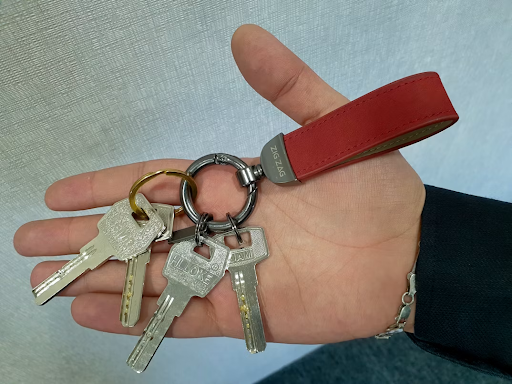
The most immediate benefit of keyless entry is the one homeowners notice first: no more digging for keys.
That may sound small, but small inconveniences become part of daily life. Coming home with groceries, walking the dog, carrying a sleeping child, heading out for a run, or returning late at night all become easier when the door does not depend on a key buried somewhere in a bag.
For families, keyless entry can be especially useful. Children coming home from school do not need to keep track of a house key. Relatives can enter without waiting outside. A spouse or partner can get in even if they forgot their key on the kitchen counter.
It also reduces the need for spare keys. Traditional keys can be copied, misplaced, loaned out, or forgotten. With keyless entry, access can be adjusted as household needs change.
Temporary Codes Make Home Access More Flexible
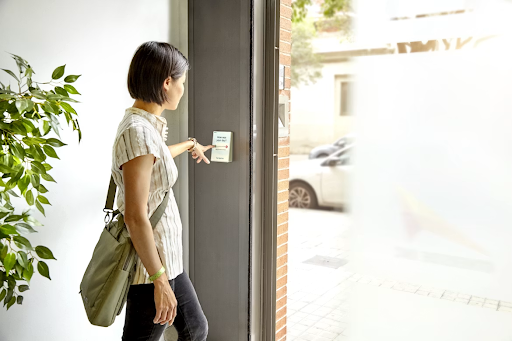
One of the most valuable features of keyless entry is the ability to create temporary or unique access codes.
This is where the technology becomes genuinely helpful for modern home management. Instead of leaving a key under a mat for a worker, homeowners can create a code for a specific person. When the job is done, that code can be changed or deleted.
This can be useful for:
- House cleaners
- Pet sitters
- Contractors
- Landscapers
- Babysitters
- Visiting family
- Maintenance workers
- Short-term guests
For homeowners who travel often, this can be a major advantage. If someone needs to water plants, feed a pet, check on the house, or handle a repair, keyless entry can make access easier without giving away a permanent key.
Some systems also allow different codes for different people. That can make it easier to understand who entered and when. For most homeowners, this is not about turning the house into a high-security operation. It is about having a clearer, calmer way to manage access.
How Keyless Entry Fits Into the Smart Home
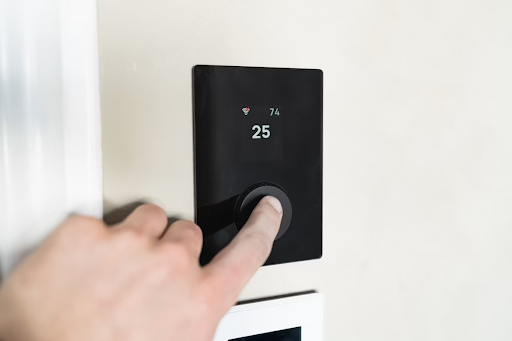
Keyless entry also fits naturally into the larger smart-home conversation. The modern home is becoming more connected, and the front door is one of the most logical places for that technology to live.
A keyless entry system may connect with smart lighting, security cameras, video doorbells, alarm systems, thermostats, and mobile apps. Unlocking the door could be part of an “arrive home” routine that turns on the entry light, adjusts the thermostat, and disarms the alarm. Locking the door at night could trigger another routine that turns off certain lights or confirms the house is secure.
This is where smart-home technology is most useful. It does not need to feel futuristic or complicated. It should simply make the house respond more smoothly to real life.
For homeowners thinking beyond the front door, FINE’s article on building a complete home security system is a helpful reminder that cameras, locks, lighting, sensors, and monitoring work best when they are planned together rather than treated as separate gadgets.
Bluetooth Technology Has Made Keyless Entry More Seamless
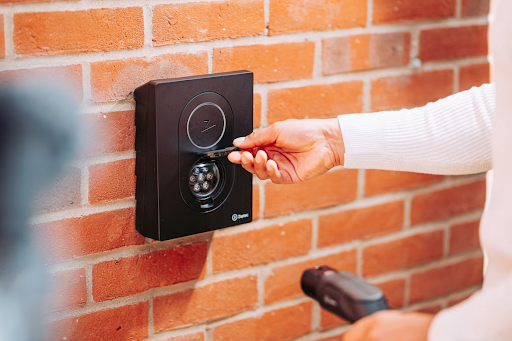
Bluetooth has become an important part of many keyless entry systems because it allows short-range communication between a phone and a lock. In practical terms, this can make the experience feel more seamless.
Instead of entering a code every time, some systems allow a homeowner’s phone to communicate with the lock when nearby. That can make entering the home faster, especially when hands are full or the weather is not cooperating.
Bluetooth is useful because it is designed for short-range communication. It can support proximity-based access, app control, and other features that make the lock feel more responsive. Many keyless entry systems combine Bluetooth with other access methods, such as keypad codes or app-based controls, so homeowners are not relying on only one way to get inside.
The National Institute of Standards and Technology notes that Bluetooth is widely used for short-range wireless communication in consumer devices, and its Guide to Bluetooth Security explains why pairing, configuration, and security settings matter.
For homeowners, the takeaway is simple. Bluetooth can make keyless entry easier, but it should still be treated like any connected technology. Keep apps updated, use strong account passwords, enable available security settings, and understand what happens if a phone battery dies or connectivity is interrupted.
The Pros of Keyless Entry
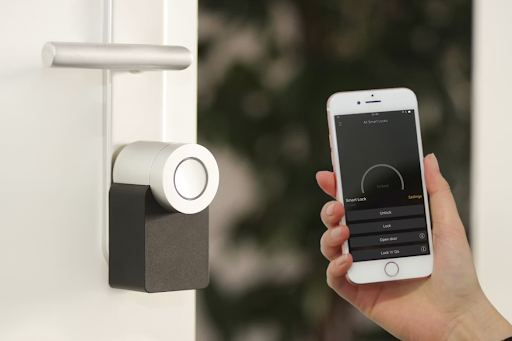
Keyless entry can make daily life easier in several practical ways.
Convenience: Homeowners can unlock the door without carrying or finding a physical key. This is especially useful when hands are full, family members come and go at different times, or someone frequently forgets keys.
Flexible access: Temporary or unique codes can be created for guests, workers, pet sitters, cleaners, and family members.
Fewer spare keys: Keyless entry reduces the need to hide keys outside or make extra copies for different people.
Smart-home compatibility: Many keyless entry systems can connect with lighting, cameras, alarms, and other smart-home features.
Remote awareness: Depending on the system, homeowners may be able to check whether the door is locked, receive alerts, or view access activity.
Better control after plans change: If a contractor finishes a project, a guest leaves, or a roommate moves out, access can often be updated quickly.
For many homeowners, the biggest benefit is not one dramatic security feature. It is the everyday feeling of having the front door under better control.
The Cons and Drawbacks to Consider
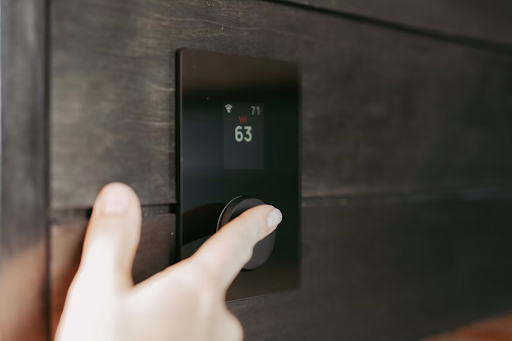
Keyless entry is useful, but it is not perfect. Homeowners should understand the drawbacks before replacing a traditional lock.
Battery dependence: Many keyless locks rely on batteries. Homeowners need to know how often batteries should be replaced and what backup access options are available.
Connectivity issues: Bluetooth, Wi-Fi, app controls, or smart-home integrations may occasionally be affected by signal problems, software updates, or phone issues.
Learning curve: Some household members may need time to get comfortable with codes, apps, or access settings.
Cybersecurity concerns: Any connected device should be set up carefully. Weak passwords, outdated apps, and ignored firmware updates can create avoidable risks.
Code sharing: A code is only secure if people treat it responsibly. If too many people know the same code, access becomes harder to manage.
Cost and installation: Keyless entry can cost more than a traditional lock, especially if professional installation or smart-home integration is needed.
The best approach is to think of keyless entry as a system, not just a lock. It should be easy to use, secure enough for the household, and supported by good habits.
Security Still Depends on Smart Habits
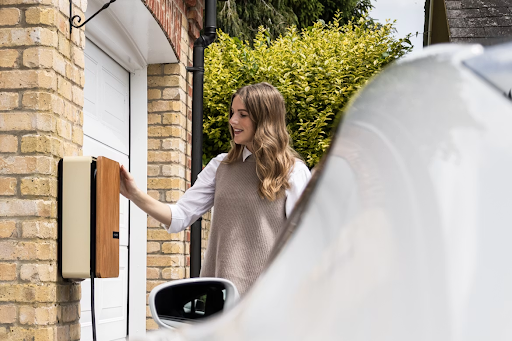
A keyless entry system can make access more convenient, but homeowners still need to manage it wisely.
Obvious codes should be avoided. Birthdays, anniversaries, street numbers, repeating digits, and simple patterns are easy to remember, but they are also easier to guess. Codes should be changed periodically, especially after contractors, guests, or short-term visitors no longer need access.
When possible, it is better to use separate codes for separate people. A cleaner, pet sitter, contractor, and family member should not all need the same code. Separate codes make access easier to manage and easier to update.
Connected systems should also be maintained. The Federal Trade Commission advises homeowners to keep internet-connected devices updated, use available security features, and secure the apps connected to those devices. Its guide to securing internet-connected devices at home is a useful resource for smart locks, cameras, thermostats, speakers, and other connected home technology.
The home Wi-Fi network also matters. The FTC recommends encryption and strong router settings in its advice on securing your home Wi-Fi network, which is important because many smart-home devices depend on the privacy and strength of that network.
The goal is not to make the home feel complicated. The goal is to keep convenience from turning into carelessness.
Who Benefits Most From Keyless Entry?
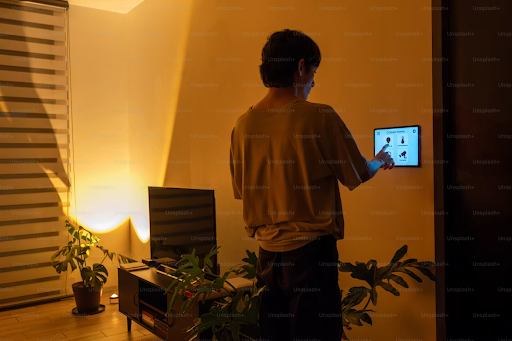
Keyless entry can be useful for many homeowners, but it is especially helpful for households with frequent movement.
Families appreciate it because children and relatives can enter without carrying keys. Busy professionals appreciate being able to let in cleaners, pet sitters, or maintenance workers without rearranging the day. Travelers appreciate being able to manage access while away. Homeowners who already use smart lighting, cameras, or home automation may appreciate how naturally keyless entry fits into the larger system.
It can also be a smart upgrade for guest suites, vacation homes, and rental properties, where access often needs to change between visitors.
For a quieter household with minimal visitors and no interest in connected technology, a traditional lock may still work perfectly well. Keyless entry is most valuable when flexibility, convenience, and access control matter.
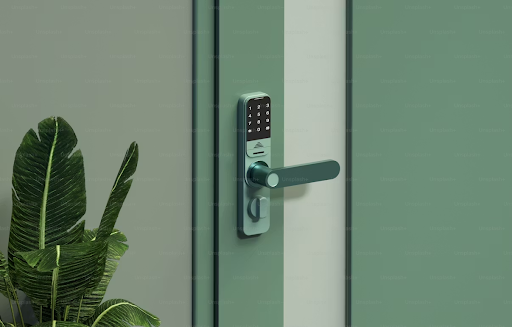
What to Look For Before Making the Switch
Before choosing keyless entry, homeowners should think about how the door is actually used.
A main front door used by the whole family may need a simple keypad, easy backup access, and a design that looks good from the street. A side door used by workers or service providers may benefit from temporary codes. A smart-home-focused household may care more about app control, automation, and integration.
Useful features to consider include:
Multiple access options
Temporary or guest codes
Easy code changes
Battery alerts
Backup access method
Activity history
Strong app security
Smart-home compatibility
Weather resistance for exterior use
A design that suits the home’s architecture
The design matters more than people sometimes admit. A front door sets the tone for the house. For homeowners planning a larger entry refresh, FINE’s look atfront door styles homeowners love in 2026 offers useful inspiration for balancing curb appeal with everyday function.
The best keyless entry choice should feel secure and practical without making the entry look overly technical.
The FINE Take
Keyless entry works best when it makes the home feel easier to live in, not more complicated.
The real luxury is not simply unlocking a door with a phone or code. It is being able to let the dog walker in without leaving a key under a pot. It is changing a contractor’s access after the project is finished. It is knowing the door is locked without getting out of bed. It is arriving home with groceries, children, bags, and coffee, and not having to perform a full archaeological dig through your purse or pockets.
Like any smart-home upgrade, keyless entry should be chosen thoughtfully. It comes with responsibilities, from battery checks to code management to basic cybersecurity. But for many modern households, the convenience, flexibility, and control make it one of the most practical upgrades at the front door.
A beautiful home should welcome the people who belong there. Keyless entry simply makes that welcome a little smarter.


(0) comments
We welcome your comments
Log In
Post a comment as Guest
Keep it Clean. Please avoid obscene, vulgar, lewd, racist or sexually-oriented language.
PLEASE TURN OFF YOUR CAPS LOCK.
Don't Threaten. Threats of harming another person will not be tolerated.
Be Truthful. Don't knowingly lie about anyone or anything.
Be Nice. No racism, sexism or any sort of -ism that is degrading to another person.
Be Proactive. Use the 'Report' link on each comment to let us know of abusive posts.
Share with Us. We'd love to hear eyewitness accounts, the history behind an article.