
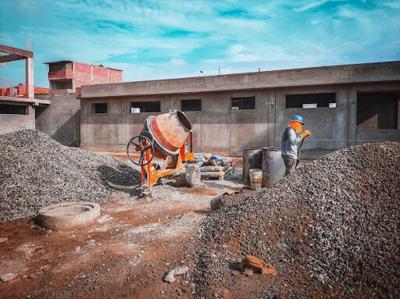
Every renovation begins the same way: with gorgeous inspiration photos, big ideas, and the thrilling belief that your home is about to become more beautiful, more functional, and possibly more worthy of dramatic kitchen reveals. Then demolition starts, and suddenly your elegant vision is sharing square footage with broken tile, splintered wood, drywall dust, torn packaging, and a heap of debris that seems to multiply when no one is looking.
It turns out the least glamorous part of a remodel is also one of the most important. Construction debris is not just an eyesore. If it is not handled properly, it can slow down a project, create safety issues, damage finishes, increase disposal costs, and make an otherwise exciting renovation feel like your backyard has been annexed by a very disorganized salvage yard.
For homeowners and project managers alike, smart debris management is one of those behind-the-scenes decisions that keeps a project cleaner, safer, and far more civilized. Here is how to do it well.
Do Not Wait Until the Mess Starts
One of the most common remodeling mistakes is treating debris like an afterthought. Homeowners spend weeks selecting countertops, paint colors, and lighting, then seem genuinely surprised when the old materials have to go somewhere. Preferably not all over the driveway.
A good waste plan should begin before the first wall comes down. That means deciding how debris will be removed, where bins or containers will be placed, who is responsible for sorting materials, and how often waste will be hauled away. The more substantial the project, the more important this becomes.
Planning ahead keeps the worksite more efficient and helps prevent the domino effect of clutter. Because once debris starts piling up, everything else gets harder. Crews lose working space, materials get mixed together, and the project begins to feel less like a renovation and more like a test of everyone’s patience.
Know What Can Be Recycled and What Cannot
Not every scrap of a remodel belongs in a landfill. In many cases, materials such as metal, clean wood, concrete, brick, cardboard, and certain plastics can be recycled. Fixtures, cabinetry, doors, tile, lighting, and hardware may also be salvageable depending on their condition.
This is where a little discernment goes a long way. Not all “leftovers” are trash, and not all “saved materials” deserve a second life. A cracked cabinet from 1998 may not be an heirloom. But quality wood, usable fixtures, and excess building materials can often be repurposed, donated, or sent to the proper recycling stream.
The benefit is twofold: fewer disposal fees and a smaller environmental footprint. It is also a smarter, more modern approach to construction — one that looks far better on paper and in practice than simply tossing everything into one oversized container and calling it a day.
Keep the Site Organized from the Start
The cleanest remodels are rarely the ones with the least mess. They are the ones with the best systems.
Setting up designated areas for different types of waste makes a major difference. Separate containers for wood, metal, general debris, recyclable packaging, and hazardous materials can help crews work faster and reduce contamination between waste streams. Even a modest site becomes easier to manage when everyone knows where things go.
And yes, labels matter. Clear signage may not sound thrilling, but it prevents the kind of chaos that leads to recyclable materials ending up in the wrong bin and useful salvage getting buried under a pile of busted drywall. Construction is messy by nature. It does not also need to be confused.
Demolition Is Where Good Intentions Go to Die
If there is one phase where debris management really earns its keep, it is demolition. Demo creates volume fast, and it is easy for a site to get out of control in a matter of hours. The trick is to identify salvageable or recyclable materials before demolition starts rather than after everything has been smashed into a mixed pile of regret.
That may mean removing reusable fixtures first, setting aside old brick or architectural features, or coordinating with a hauling service that understands construction waste rather than general junk removal. The right partner can help separate materials, reduce landfill use, and keep disposal in line with local requirements.
In other words, demolition may be the loudest part of the remodel, but it should not be the least thoughtful.
Do Not Ignore Hazardous Materials
This is the part where a little realism is essential. Older homes can hide all kinds of unpleasant surprises, and not all debris is harmless. Materials such as asbestos, lead-based paint, solvents, adhesives, treated wood, and certain chemicals require special handling and proper disposal.
This is not the moment for improvisation or optimism. Hazardous waste needs to be identified early, handled by qualified professionals when necessary, and disposed of according to local and federal guidelines. Trying to cut corners here is not savvy. It is expensive, risky, and the kind of decision people regret while wearing a mask they should have been given two days earlier.
For homeowners renovating older properties in particular, this step deserves serious respect.
Choose Waste Partners as Carefully as You Choose Contractors
A dependable waste removal company can quietly make your entire project feel more professional. A bad one can do the opposite with astonishing speed.
The right service will provide appropriate containers, stick to pickup schedules, understand construction-specific disposal rules, and help keep the site from becoming an obstacle course. This matters more than many homeowners realize. Overflowing bins, missed pickups, or improper disposal do not just look sloppy. They can slow work, irritate neighbors, and create compliance issues no one wants attached to a high-value property project.
If your renovation team already has preferred partners, great. If not, it is worth doing the homework. Waste removal may not be the most glamorous line item in a budget, but it has an outsized impact on how smoothly a project runs.
Reuse, Repurpose, and Donate When It Makes Sense
There is something especially wasteful about tossing usable materials just because a project has moved on to prettier things. Depending on the scope of the renovation, items like extra tile, cabinetry, doors, lighting, hardware, stone, and lumber may still have value.
Some materials can be reused on-site. Others can be saved for future repairs or secondary spaces. And when they are no longer right for your home, they may still be right for someone else. Donation centers, nonprofits, schools, and community organizations often accept usable building materials in good condition.
It is a practical move, a more sustainable one, and frankly a better ending for decent materials than a landfill farewell they did not quite deserve.
Technology Can Help Keep the Chaos in Check
Modern construction management is not just about blueprints and budgets. Technology can also help track waste, monitor hauling schedules, improve material estimates, and reduce over-ordering. On larger projects, digital tools make it easier to see where waste is being created and where efficiencies can be improved.
Equipment matters, too. Tools like compactors and mobile crushers can help reduce bulk on-site, making materials easier to transport and process. The result is often a cleaner site, lower hauling costs, and fewer logistical headaches.
No, technology will not make debris glamorous. But it can make it far less irritating.
A Clean Site Protects More Than Appearances
At the end of the day, good debris management is about more than tidiness. It protects workers, preserves materials, reduces delays, supports sustainability, and helps maintain the kind of order that keeps a project feeling intentional instead of chaotic.
The most successful remodels are not just the ones with beautiful finishes. They are the ones run with discipline behind the scenes. Because while no homeowner dreams about dumpsters and debris piles, ignoring them is how stylish renovations end up looking careless long before the final reveal.
Beautiful homes may begin with vision, but successful projects depend on execution. And sometimes the smartest design decision in the entire remodel is simply making sure the mess never takes over the masterpiece.

(0) comments
We welcome your comments
Log In
Post a comment as Guest
Keep it Clean. Please avoid obscene, vulgar, lewd, racist or sexually-oriented language.
PLEASE TURN OFF YOUR CAPS LOCK.
Don't Threaten. Threats of harming another person will not be tolerated.
Be Truthful. Don't knowingly lie about anyone or anything.
Be Nice. No racism, sexism or any sort of -ism that is degrading to another person.
Be Proactive. Use the 'Report' link on each comment to let us know of abusive posts.
Share with Us. We'd love to hear eyewitness accounts, the history behind an article.