
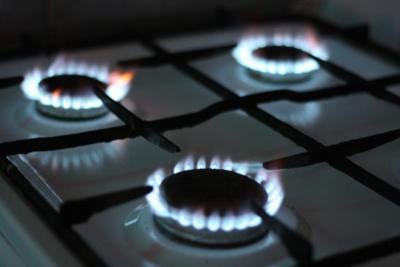

When it comes to gas systems in homes and businesses, efficiency and reliability are paramount. However, even the most well-maintained systems can encounter problems from time to time. In this article, we will explore some of the common issues that can arise with gas systems and highlight when it is necessary to call for professional repairs like a service company in Croydon, NSW. By understanding these troubleshooting strategies, homeowners and business owners alike can ensure the safe operation of their gas systems and minimize any potential risks or disruptions.
Gas System Pilot Light Won't Stay Lit
A common problem that homeowners and business owners may encounter with their gas systems is a pilot light that won't stay lit. This can be frustrating and potentially dangerous if left unresolved. There are a few possible reasons for this issue. One possibility is a faulty thermocouple, which is responsible for sensing the presence of the pilot flame and maintaining the flow of gas to keep it lit. Another potential cause could be a dirty or clogged pilot assembly, preventing proper ignition and causing the flame to go out. In either case, it is important to address these issues promptly as an unlit pilot light can lead to gas leaks or other hazards.
When troubleshooting a gas system with a pilot light that won't stay lit, there are several steps you can take before calling for professional repairs. First, make sure there are no drafts near the appliance as they can extinguish the flame. Check if any surrounding vents or openings need cleaning or repairs to prevent air from disrupting the pilot light's operation. Additionally, ensure that there is enough fuel supply by confirming that the main gas valve leading into your property is fully open and supplying sufficient pressure.
If these basic troubleshooting steps do not resolve the issue, it is crucial to call for professional assistance promptly. Gas systems require specialized knowledge and skills to repair safely; attempting DIY fixes without proper expertise can be risky and may lead to further damage or accidents. A licensed technician will have the necessary tools and experience to diagnose and fix complex problems like faulty thermocouples or dirty pilots effectively while adhering to safety protocols.
Low Gas Pressure in Appliances
Low gas pressure in appliances is a common issue that can affect the efficiency and performance of gas systems. This problem can manifest itself through weak flames on burners, slow heating times, or even complete failure to ignite. There are several potential causes for low gas pressure, such as clogged burner jets, malfunctioning regulators, or supply line leaks. It is important to address this issue promptly as it not only affects the functionality of appliances but can also pose serious safety risks.
If you experience low gas pressure in your appliances, it is advisable to seek professional repairs rather than attempting DIY solutions. Trained technicians have the expertise and tools necessary to identify the underlying cause of the problem and make accurate repairs safely. Ignoring or mishandling low gas pressure issues can lead to further damage and even dangerous situations like leaks or explosions. By contacting professionals at the first sign of trouble, homeowners and business owners can ensure their gas systems are restored to optimal performance while maintaining safety standards.
Overall, addressing low gas pressure in appliances is crucial for maintaining efficient operations and avoiding potential hazards associated with improper functioning of a gas system. Seeking professional assistance ensures that any underlying problems are accurately diagnosed and promptly resolved, ensuring both reliability and safety in homes and businesses alike.
Strange Odors or Smells Coming from Gas System
Strange odors or smells coming from a gas system can indicate potential problems that require immediate attention. One common issue is the presence of a rotten egg smell, which is often caused by a leak in the natural gas lines. Natural gas has no odor itself, so an additive called mercaptan is added to give it this distinct scent for safety purposes. If you detect this foul odor, it signifies a possible gas leak and should be treated as an emergency situation.
Another strange odor to be aware of is the smell of something burning or unusual combustion-like scents. This could signify issues with faulty burners or incomplete combustion, causing gases such as carbon monoxide to escape into your living space. Carbon monoxide is highly toxic and poses serious health risks if not addressed promptly.
If you encounter any strange odors emanating from your gas system, it is crucial to take them seriously and call for professional repairs immediately. Ignoring these warning signs can lead to hazardous situations such as explosions or carbon monoxide poisoning. It's always better to be safe than sorry when dealing with potentially dangerous gases like natural gas in our homes or businesses.
Gas System Leaks and Safety Concerns
Gas system leaks are a common issue that can pose significant safety concerns. In gas systems, leaks can occur due to various reasons such as aging pipes, faulty fittings, or improper installation. These leaks not only waste precious energy but also increase the risk of fire or explosion. It is essential to address any suspected gas leaks promptly to prevent dangerous situations and ensure the safety of occupants.
When it comes to gas system safety concerns, it is crucial to prioritize immediate action. Even minor issues like strange odors or hissing sounds should not be ignored, as they could indicate potential gas leaks. The main safety concern with gas leaks is the highly flammable nature of natural gas and propane used in these systems. Not only can leaking gases lead to fires or explosions, but they can also cause health problems if inhaled for an extended period. Therefore, calling for professional repairs when encountering any sign of a leak is necessary for preventing further damage and safeguarding individuals within the premises.
(0) comments
We welcome your comments
Log In
Post a comment as Guest
Keep it Clean. Please avoid obscene, vulgar, lewd, racist or sexually-oriented language.
PLEASE TURN OFF YOUR CAPS LOCK.
Don't Threaten. Threats of harming another person will not be tolerated.
Be Truthful. Don't knowingly lie about anyone or anything.
Be Nice. No racism, sexism or any sort of -ism that is degrading to another person.
Be Proactive. Use the 'Report' link on each comment to let us know of abusive posts.
Share with Us. We'd love to hear eyewitness accounts, the history behind an article.