
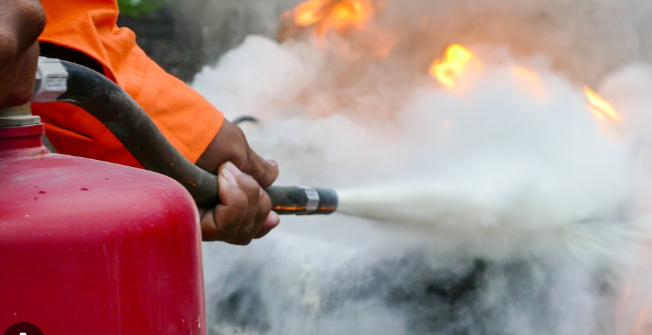
Fire safety professionals not only combat flames but also confront intense emotional and psychological challenges. The role of a firefighter is often glamorized in media; however, the reality involves grappling with chaotic environments and life-threatening situations that can leave lasting impacts on their mental health.
It is essential to discuss these aspects of the job, highlighting the need for mental health awareness just as much as physical preparedness.
Understanding the Unique Challenges in Fire Safety Roles
Every call-out can bring a new, unforeseen challenge. Whether it’s a false alarm or a full-blown fire, the unpredictability shakes even the most seasoned professionals. The gruesome scenes and injuries they witness can also embed severe stress and trauma. The job demands not only physical robustness but also emotional stamina to keep going despite these trials.
Moreover, the brotherhood and camaraderie seen in fire stations, while often a source of great support, can sometimes lead to a culture where showing vulnerability is stigmatized. Breaking this barrier to talk about emotional struggles is essential but challenging.
Recommended Mental Health Courses for Fire Safety Professionals
Building a robust training set for fire safety professionals through tailored mental health courses is essential. Below is a list of mental health courses and how they specifically address the needs of those in fire safety roles:
Mental Health Awareness Training:
This course aims to increase understanding and awareness of common mental health issues, destigmatize mental health struggles, and teach basic support techniques. Fire service members will learn how to recognize early signs of mental distress in themselves and others, enhancing early intervention and support.
Resilience Training:
Given the high-pressure situations fire safety professionals face, this training is crucial. It focuses on building mental and emotional resilience, enabling fire safety professionals to recover quickly from setbacks. Techniques might include setting realistic personal goals, developing emotional insight, and strengthening personal and professional support networks.
Sleep and Fatigue Awareness Training:
Fire service members often work irregular hours, which can disrupt sleep patterns and lead to fatigue—a known risk factor for both safety and mental health. This course emphasizes the significance of sleep, offers strategies to enhance sleep quality, and provides techniques for managing fatigue, all with the goal of improving alertness and job performance.
Stress Risk Assessment Training:
This training goes beyond typical stress management by teaching fire service members how to identify and evaluate sources of stress within their work environment and personal lives. Understanding how to perform a stress risk assessment can enable them to make informed choices regarding interventions and control measures to mitigate stress.
Exercise for Mental Health:
Physical activity is a proven tool for combating stress and improving mental health. This course encourages regular exercise tailored to fire service members' needs, focusing on how physical health impacts psychological well-being. They learn specific workouts that not only build physical strength but also boost mood and resilience.
Enhancing Skills Through Online Fire Safety Courses
Technological advancements mean that many training programs are now available online, allowing fire safety professionals to upgrade their skills without the need to travel or disrupt their work schedules.
Online fire safety courses range from technical fire prevention techniques, such as dealing with chemical fires or high-rise emergencies, to softer skills like leadership and team management. The flexibility of online learning enables fire safety professionals to learn at their own pace and apply new knowledge directly to their roles.
Providing Support and Resilience Strategies
Creating a resilient fire safety workforce involves systemic changes that emphasize mental well-being. Here’s how departments can institutionalize support:
Regular Mental Health Training:
By integrating mental health training sessions into the ongoing professional development schedule, departments ensure that awareness and coping skills are continually updated and reinforced. This regular focus helps to normalize conversations around mental health, making it as routine as physical training. These sessions not only educate but also equip firefighters with the tools they need to manage stress, recognize signs of mental health issues, and support each other effectively.
Access to Counseling:
Providing confidential and easily accessible mental health services is crucial for a workforce that deals with high-stress situations. Departments should offer multiple options for counseling, including in-person, online, and telephone-based support, ensuring firefighters can reach out for help whenever they need it. This accessibility helps mitigate the impacts of stress and trauma, allowing professionals to diagnose mental health complications before they escalate into more serious conditions.
Building a Supportive Culture:
Cultivating an environment where open discussions about mental health are encouraged can significantly change the stigma associated with seeking help. Departments can promote a supportive culture through regular workshops, peer support groups, and leadership training that emphasizes empathetic management. Moreover, recognizing and rewarding efforts to support mental health initiatives can further affirm the department’s commitment to its personnel’s well-being, fostering a more inclusive and supportive workplace.
The mental well-being of fire safety professionals is crucial not only for their personal health but also for the effectiveness and safety of their teams. By fostering an environment that encourages discussion, provides education and supports mental health, management can ensure their fire safety professionals are not only physically prepared to tackle fires but also psychologically resilient enough to face the challenges of the job.


(0) comments
We welcome your comments
Log In
Post a comment as Guest
Keep it Clean. Please avoid obscene, vulgar, lewd, racist or sexually-oriented language.
PLEASE TURN OFF YOUR CAPS LOCK.
Don't Threaten. Threats of harming another person will not be tolerated.
Be Truthful. Don't knowingly lie about anyone or anything.
Be Nice. No racism, sexism or any sort of -ism that is degrading to another person.
Be Proactive. Use the 'Report' link on each comment to let us know of abusive posts.
Share with Us. We'd love to hear eyewitness accounts, the history behind an article.