
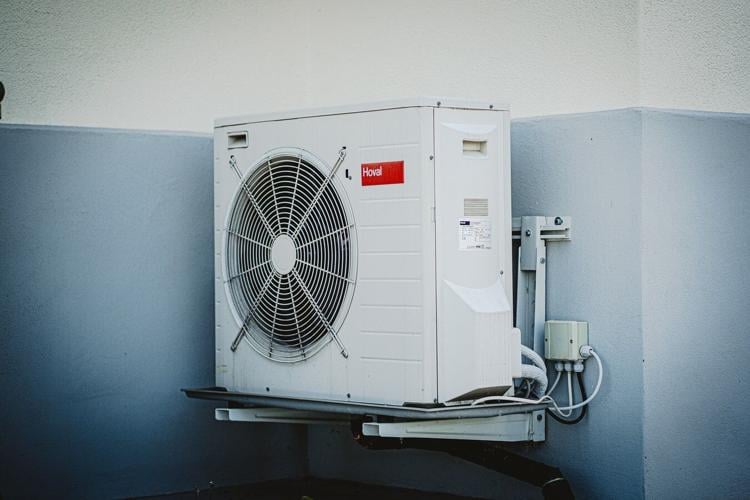
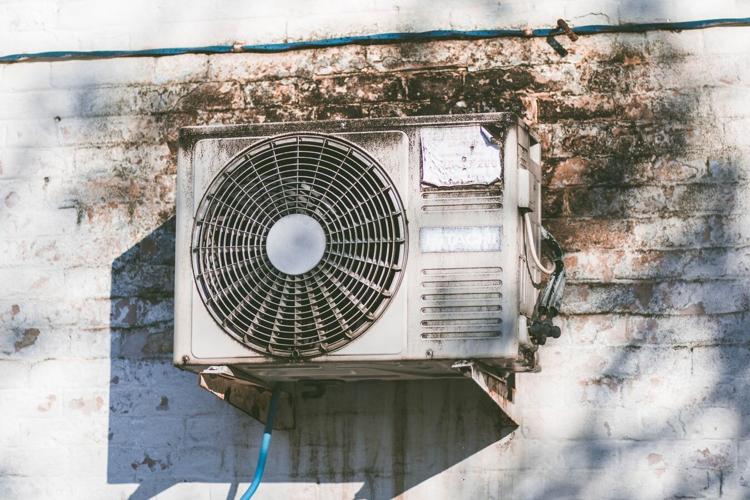

We all hope our AC runs smoothly during the warmer months, but you may find that your AC is acting up with no idea of what you can do when AC needs a repair. Some people decide to let out their inner technician and do the repairs themselves, while others start freaking out and call a repair service no matter the issue (Is it plugged in?). In reality, trying to repair the unit yourself may prove disastrous at times; meanwhile, not every case requires a technician's help. To know what you can improve yourself and what you shouldn't, here's a list of common AC issues and their best fixes.
When to Do DIY Repairs
There is a big list of AC issues that you can take care of yourself. These issues include the following:
Clean or Change Dirty Filters
Cleaning your AC filters is one of the easiest and best maintenance routines you can follow to prevent more serious ramifications. Clogged filters will keep accumulating dirt until they affect the AC's cooling capacity, which could eventually result in insufficient cooling or, worse, the system seizing up. To prevent this issue from happening, clean your filter regularly and use the proper cleaning technique. Once your filter exceeds its capacity, change it for a new one.
Check Breakers
What do you do if you keep trying to turn on your AC, but it's not working? After checking its switch and making sure that there is power, check your breakers as well. Chances are, some fuse has blown somewhere in your home, shutting off some breakers as a result. This issue can become evident if there are lights or other appliances that have no power.
Change Thermostat Battery
If your AC operates using a thermostat system, then be sure to check its batteries every once in a while. Once the battery gets low, you'll probably receive a warning from the system, after which it may shut down. You may find it failing to start despite checking the power and breakers. Instead of calling a technician and suffering huge embarrassment, it's better if you recognize the issue and change the batteries yourself.
Limit Heat
If you feel your AC is ineffective in cooling down the area, you may check for heating culprits. Cracks in the walls, uninsulated attics, and windows letting in intense sunlight can all affect your AC unit's cooling capabilities.
Check Ducts
Make sure to check your ducts regularly in case they get clogged over time. If you can't feel any air flowing out of the vent, then there's a chance it's completely blocked and needs a serious cleaning.
When to Call a Professional
So when would you need to leave the job to the experts? It's better to go the air conditioner repair to a professional maintenance and repair service provider if your AC starts acting up in ways it absolutely shouldn't. For instance, when you start getting warm air after double-checking the mode setting and cleaning the filters, then it's time to call the pros. Likewise, issues like excessive vibration, frequent on-and-off cycles, high humidity, and low airflow require a technician's expertise. Sometimes, you'll find weird noises coming from the unit, water or liquid leaking, or foul odors, all of which require a technician.
When to Change the Unit
That's an important question that no one wants to answer. Unfortunately, it can be essential to investigate this avenue. The problem is whether or not you should consider changing the AC unit altogether.
Despite the hefty costs that come with installing a new unit, sometimes, it's necessary. For starters, you should consider changing your current A/C if it's been around for as long as you can remember. A well-maintained unit can live up to 15 years, but you can consider replacing it after it's passed the 10-year mark. Newer units are much more energy-efficient, which will save on your electricity bills, so replacing it may not be all bad news. Similarly, if your old A/C unit uses R-22 refrigerant, then be alert to the fact that it's being phased out, and you'll be forced to replace it sooner rather than later. If you find yourself enduring a lot of repair costs, or your unit keeps breaking down frequently, then it's time to consider getting a new A/C. If you have to pay 50% or more of the original unit price, then investing in a more modern, more energy-efficient model can be more cost-effective in the long run.

On days when the sun is scorching hot, or the weather is freezing, we turn to our A/Cs for ultimate comfort. Unfortunately, this haven may keep glitching due to various issues. It's best to learn what kind of problems you can fix yourself and what needs to be addressed by a qualified technician. Finally, look for the signs indicating that you should just let go and get a new unit.


(0) comments
We welcome your comments
Log In
Post a comment as Guest
Keep it Clean. Please avoid obscene, vulgar, lewd, racist or sexually-oriented language.
PLEASE TURN OFF YOUR CAPS LOCK.
Don't Threaten. Threats of harming another person will not be tolerated.
Be Truthful. Don't knowingly lie about anyone or anything.
Be Nice. No racism, sexism or any sort of -ism that is degrading to another person.
Be Proactive. Use the 'Report' link on each comment to let us know of abusive posts.
Share with Us. We'd love to hear eyewitness accounts, the history behind an article.