

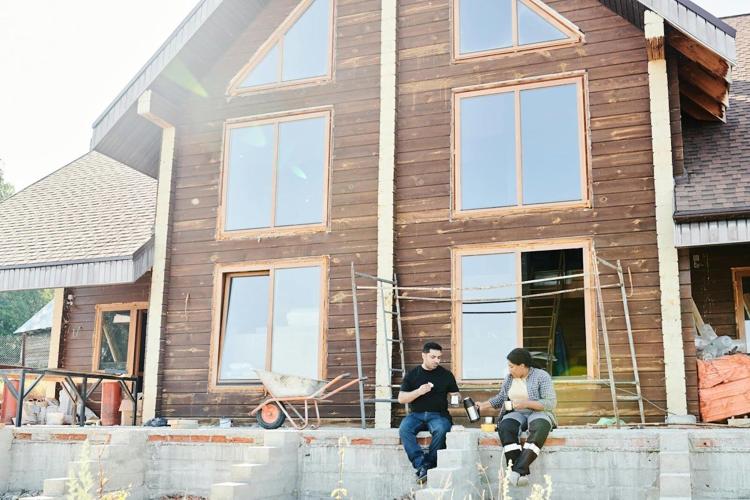
Your home's siding is more than just an aesthetic feature—it acts as a protective shield against harsh weather, pests, and moisture. Siding can deteriorate due to environmental exposure, aging, and wear and tear, potentially compromising the integrity of your home. Many homeowners may not realize their siding is failing until more severe issues arise, such as structural damage or escalating energy bills.
Knowing the key warning signs of siding deterioration can help you take action before the problems become costly and extensive. In this guide, we’ll discuss nine critical indicators that your home may need new siding, helping you make informed decisions about repairs or replacement.

Visible Cracks and Gaps
Visible cracks and gaps in your siding are clear signs of wear and potential structural issues. Even small openings can allow moisture and pests to infiltrate, leading to rot, mold, and insulation problems. If left unaddressed, these minor flaws can escalate into costly repairs. A local siding contractor can assess the extent of the damage and recommend whether repairs or a full replacement is necessary. Timely action is crucial to maintaining your home's protection and energy efficiency. Regular inspections and professional advice can help you avoid long-term damage while keeping your home's exterior in top condition.
Warping or Bubbling
Siding should lie flat against your home’s exterior, but if you notice bulging, bubbling, or warping, it’s a clear sign that moisture has penetrated beneath the surface. This problem is particularly common in older or low-quality siding that has lost its ability to repel water effectively. Warping occurs when moisture becomes trapped, causing the material to expand and deform. Bubbles under the siding’s surface suggest that water is getting trapped, which can lead to mold growth and decay. If these issues are widespread, replacing your siding with a more durable, water-resistant material may be the best option to protect your home.
Mold, Mildew, or Fungus Growth
The presence of mold, mildew, or fungus on your siding, particularly around seams and joints, can be a serious warning sign of excess moisture. While some mildew can develop in damp environments, extensive growth suggests that water is collecting behind or within the siding. Mold and fungus thrive in dark, damp areas, meaning they may be hiding beneath your siding and spreading to the interior of your home. This can lead to wood rot, foundation issues, and even health risks for your family. If you spot persistent mold or mildew, it’s important to have your siding inspected and consider replacement if the damage is extensive.
Peeling Paint or Fading Color
If your home’s siding looks dull, faded, or has peeling paint, it could be a sign that it’s no longer protecting your home effectively. Siding is designed to withstand exposure to sunlight, rain, and temperature fluctuations, but over time, its protective coatings wear down. Extreme fading suggests that the siding material itself is degrading, which can make it more susceptible to moisture absorption and structural weakening. While repainting may temporarily improve the appearance, it won’t fix the underlying issue. New siding made from modern, fade-resistant materials can restore your home’s beauty and provide better long-term protection.
Increased Energy Bills
If your heating and cooling costs have been climbing despite no major changes in your energy usage, failing siding could be to blame. Siding plays a key role in insulating your home by keeping the interior temperature stable. When siding becomes old, cracked, or warped, it allows air leaks, making it harder for your HVAC system to maintain a comfortable temperature. Poor insulation leads to energy waste, resulting in higher utility bills. Upgrading to insulated siding or more energy-efficient materials can help lower energy consumption, improve comfort, and save money in the long run.
Interior Wall Damage
Signs of siding deterioration don’t just appear on the outside of your home—they can also show up inside. If you notice peeling wallpaper, bubbling paint, or mysterious water stains on your walls, it could indicate that moisture is seeping in through compromised siding. This is especially concerning because interior damage suggests that water infiltration has been occurring for some time. Left unaddressed, prolonged moisture exposure can lead to rot, mold, and damage to drywall and insulation. If interior signs of water damage are present, a siding replacement may be necessary to prevent more serious structural issues.
Rotting or Soft Spots
For homes with wood siding, rot is a major concern. Wood is naturally vulnerable to moisture, and once it starts to decay, it can spread quickly, compromising the structural integrity of your home. You can check for rotting by pressing on your siding with a screwdriver—if the material feels soft, crumbles easily, or appears discolored, it may be rotting beneath the surface. Even if only a small section appears affected, it’s important to address the problem immediately before it spreads further. Many modern siding materials, such as fiber cement or vinyl, offer the appearance of wood without the risk of rot, making them excellent replacement options.
Excessive Maintenance Requirements
While all siding requires some level of maintenance, needing frequent repairs, repainting, or resealing can indicate that your siding has reached the end of its lifespan. If you find yourself constantly addressing cracks, repainting peeling areas, or replacing panels, it may be more cost-effective to invest in a new, low-maintenance siding material. Modern siding options such as vinyl, composite, and fiber cement require minimal upkeep while providing long-lasting durability and aesthetic appeal. Making the switch can save you time, money, and hassle in the years to come.
Pest Damage
Damaged siding can attract pests like termites, carpenter ants, and rodents, which can chew through wood and create holes in your home's exterior. These pests weaken your siding and can find their way into your home, causing further damage to insulation, wiring, and support structures. If you notice small holes, gnaw marks, or increased pest activity near your home’s exterior, it’s essential to have your siding inspected. In many cases, replacing damaged siding with a pest-resistant material such as fiber cement or engineered wood can prevent future infestations and protect your home from structural harm.

Your home’s siding serves as its first line of defense against the elements, and keeping it in good condition is essential for maintaining your home's structural integrity and efficiency. By paying attention to visible damage, moisture issues, insulation performance, and pest activity, you can determine whether your siding needs repairs or full replacement. Regular inspections and prompt action can prevent costly damage down the road, ensuring that your home remains protected and looking its best. If you’ve noticed any of the warning signs mentioned above, consulting a siding professional can help you make the best decision for your home.
(0) comments
We welcome your comments
Log In
Post a comment as Guest
Keep it Clean. Please avoid obscene, vulgar, lewd, racist or sexually-oriented language.
PLEASE TURN OFF YOUR CAPS LOCK.
Don't Threaten. Threats of harming another person will not be tolerated.
Be Truthful. Don't knowingly lie about anyone or anything.
Be Nice. No racism, sexism or any sort of -ism that is degrading to another person.
Be Proactive. Use the 'Report' link on each comment to let us know of abusive posts.
Share with Us. We'd love to hear eyewitness accounts, the history behind an article.