
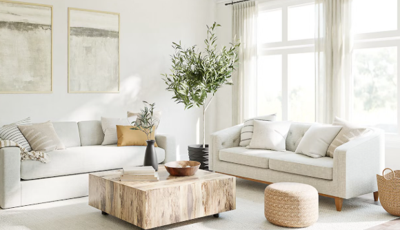

A home filled with natural light feels more open, inviting, and comfortable. Unfortunately, many properties have areas that remain dark for much of the day, making them less appealing and less functional. While artificial lighting can help, it rarely matches the warmth, depth, and quality of daylight. With the right design approach, even the most shadowed rooms can be transformed into bright, welcoming spaces without the need for large-scale structural changes.
Why Natural Light Changes the Atmosphere
Daylight enhances colours, brings out textures, and makes interiors feel more spacious. In rooms that lack sufficient light, furniture and finishes can appear dull, and the space may feel less inviting. North-facing rooms, narrow layouts, and spaces with limited windows often benefit most from solutions that introduce daylight from above.
One effective way to achieve this is with modern roof lanterns. Their multi-angled glazing captures light from several directions, distributing it evenly across the space. This design helps to reduce shadows and create a softer, more balanced light that makes the room more enjoyable to spend time in. For open-plan kitchens, dining areas, or living rooms, this approach can dramatically change both the look and feel of the interior.
Roof Lanterns vs Skylights
Roof lanterns and skylights both bring daylight into the home, but they differ in structure and effect. Roof lanterns are elevated and often feature multiple glass panels set at angles, allowing light to enter from different directions. This creates a wider spread of illumination that reaches further into the room.
Skylights, in contrast, are flat or slightly angled and sit flush with the roof. They are ideal for smaller spaces or where a more discreet profile is desired. While skylights can provide excellent direct light, roof lanterns offer a softer, more diffuse illumination that enhances comfort over longer periods.
Factors to Consider When Choosing
The choice between a roof lantern and a skylight depends on several factors. Room size is important, as larger rooms often benefit more from the wider light distribution of a roof lantern. Ceiling height can also influence the decision, with roof lanterns adding a sense of height and openness, while skylights keep a low profile in more compact spaces.
Budget will play a role, as skylights typically involve lower initial costs, while roof lanterns may require a greater investment. Planning permission should also be considered, especially in conservation areas or with listed properties.
Making the Most of Roof Lanterns
When positioned carefully, roof lanterns can become a centrepiece that enhances both style and practicality. Placing a rectangular lantern above a kitchen island can create a natural focal point while ensuring work surfaces are well lit. In a living room, a centrally placed lantern can spread daylight evenly across the seating area, making the space more versatile for different activities.
Custom designs allow for precise sizing to fit the space and maximise light. Aluminium frames offer strength and a slim profile for a contemporary look, while timber frames can suit traditional settings. Choosing the right glazing, such as solar control or low-emissivity glass, can help manage heat and maintain comfort throughout the year.
Balancing Light and Temperature
While roof lanterns excel at bringing in daylight, they can also impact temperature. Solar control glass can reduce heat gain in sunny locations or south-facing rooms, keeping the room comfortable during warmer months. Low-emissivity coatings can help retain warmth in winter, improving energy efficiency.
Ventilation features, such as opening panels, can further help regulate indoor temperatures. This allows warm air to escape in summer while enabling fresh air to circulate, improving the overall indoor climate.
Installation Essentials
Installing a roof lantern requires careful planning to ensure safety, durability, and weather resistance. The roof must be strong enough to support the structure, and for flat roofs, an upstand is usually built to provide a solid base.
Waterproofing is critical, with proper flashing and seals preventing leaks and directing water away from the roof. Choosing experienced installers ensures these details are handled correctly, protecting the property from potential damage.
Both the frame and glazing influence thermal performance. Thermally broken frames reduce heat transfer, while high-performance glazing supports year-round comfort. These choices contribute to a home that is bright, energy-efficient, and pleasant in all seasons.
Care and Maintenance
Modern roof lanterns are designed for easy upkeep. Self-cleaning glass coatings reduce the need for frequent cleaning, as rainwater helps wash away dirt. The sloped design allows water to run off quickly, reducing debris build-up.
Frames can usually be cleaned with mild soapy water, and regular checks of seals and drainage channels help maintain performance. A seasonal maintenance routine can keep the lantern looking and functioning at its best for many years.
Bring More Light into Your Home with a Well-Planned Design
Natural light can redefine the way you use and enjoy your home. Choosing the right daylighting solution and working with skilled professionals will ensure a result that looks impressive and functions well for years. By considering both style and practicality, you can create a bright, welcoming space that adds value and enjoyment to your property. Now is the perfect time to explore how a roof lantern could transform your home.
(0) comments
We welcome your comments
Log In
Post a comment as Guest
Keep it Clean. Please avoid obscene, vulgar, lewd, racist or sexually-oriented language.
PLEASE TURN OFF YOUR CAPS LOCK.
Don't Threaten. Threats of harming another person will not be tolerated.
Be Truthful. Don't knowingly lie about anyone or anything.
Be Nice. No racism, sexism or any sort of -ism that is degrading to another person.
Be Proactive. Use the 'Report' link on each comment to let us know of abusive posts.
Share with Us. We'd love to hear eyewitness accounts, the history behind an article.