
At their very core, the Surfrider Foundation advocates for coastal preservation. The vision began with three local surfers in Southern California and has since grown to include more than 100 chapters in 15 countries worldwide. The Surfrider Foundation is most associated with a beach clean up - find out why the Surfrider Foundation was founded.
THE NEED
More than 300,000 acres of coastal promontories and wetlands have been preserved along the California coast to-date; roughly defining 469 miles of the 840 spanning the Pacific. However, 90 percent of all coastal wetlands are forever gone, and only 3.5 percent of the coast has been deemed as protected reserves; from LA to San Diego, only 25 percent (approx. 15,000 acres) of the historic coastal wetlands presently remain.
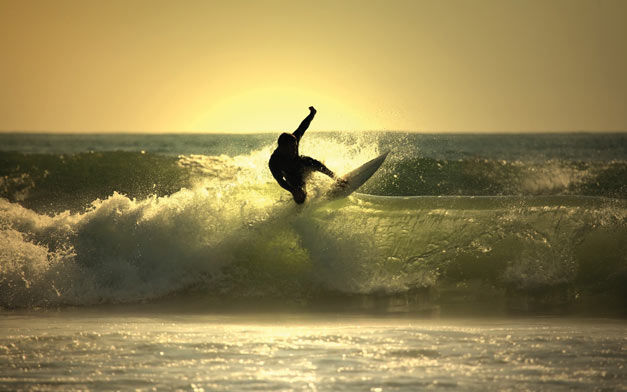
Man surfing in sunset san diego FINE magazine
Nonetheless, significant strides for natural ecological processes have progressed within the last 50 years; a culmination of efforts resulting in the continued survival and comeback of coastal habitat – as nature intended. The Surfrider Foundation alone has celebrated 150 documented victories nationwide between 2006 and 2010 – 33 percent of which occurred in California; these milestones range from coastal preservation and beach access to water quality and rise above plastics.
According to the Foundation, "An environmental victory is a decision made in favor of the coastal and ocean environment that results in a positive conservation outcome, improves coastal access, or both."
The Plan
Surfrider actively supports 30 campaigns in California alone (72 nationwide), aside from its four main programs: A Rise Above Plastics, The Blue Water Task Force, Know Your H2O, and Ocean Friendly Gardens. Local activism has seen such efforts as:
- Until a new ordinance is devised, the Solana Beach chapter was successful in a temporary ban on the construction of new seawalls, which would have contributed to additional loss of beach along the adjoining coastline.
- "Save Trestles" stopped a proposed toll road that would have destroyed the state park and damaged the surf.
- New offshore oil drilling has been stopped in the continental U.S. for the next seven years. In relation to this, "Hands Across the Sand" recently held its global initiative protesting new offshore drilling. In championing clean energy solutions for U.S. independence on foreign oil, the event was a visual message of human solidarity to our nation’s leaders.
A Rise Above Plastics
In an effort to further educate the public about the harms of plastic, the Rise Above Plastics (RAP) campaign – originating in San Diego, the Foundation’s flagship chapter – actively engages local decision-makers in pursuing a ban on both single-use shopping bags and polystyrene takeout containers; not to mention a reduction on plastic bottle usage across the board.
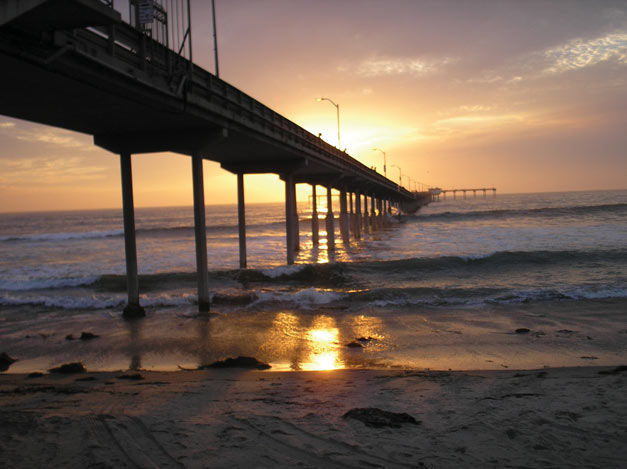
beach pier san diego fine magazine
"Central to our campaign is an attempt to kill the demand for non-necessary plastics at the source, by encouraging the development and use of ‘alternatives’ and reduction of packaging," notes the Foundation. "We aim to transcend the knee-jerk acceptance of single-use plastic bottles or ubiquitous plastic shopping bags when better robust, reusable and sustainable options exist."
The campaign recently created a "Day Without a Bag" – an annual event that began in 2010 as a jumpstart to raising local awareness. To this end, the Foundation warns of plastic bag damage to the environment and wildlife, citing the Great Pacific Garbage Patch – a section of the Pacific Ocean (twice the size of the continental U.S.) where an estimated 100 million tons of plastic swirls, resulting in the death of countless marine birds and mammals every year.
The Blue Water Task Force
As the Foundation’s most recognizable effort – primary research and water quality monitoring program, The Blue Water Task Force (BWTF) works alongside San Diego Coastkeepers in implementing a water monitoring effort to timely alert surfers, beachgoers, and officials in local communities about health-threatening water quality problems and to work toward solutions. The BWTF is able to measure bacteria levels at both marine and freshwater beaches, comparing them to federal water quality standards established by the EPA to protect public health in recreational waters.
Just last year, Heal the Bay issued an all-encompassing report card for west coast beaches; much of San Diego received an A+, except for Imperial Beach – as a result of sewage presence from across the border. With much success in raising public awareness of coastal water pollution levels, the joint efforts not only issue timely advisories regarding unsafe conditions at specific surf breaks but have also increased awareness for the health and safety of surfers and families, along with the local environment as well.
Beach Cleaning Events
The Surfrider Foundation San Diego County Chapter and San Diego Coastkeeper coordinate cleanups three times a month. Plastic bags have been phased out at beach cleanups; participants are asked to bring their own reusable bucket or bag. For more information on beach cleanups: https://sandiego.surfrider.org/programs/beach-cleanups

(0) comments
We welcome your comments
Log In
Post a comment as Guest
Keep it Clean. Please avoid obscene, vulgar, lewd, racist or sexually-oriented language.
PLEASE TURN OFF YOUR CAPS LOCK.
Don't Threaten. Threats of harming another person will not be tolerated.
Be Truthful. Don't knowingly lie about anyone or anything.
Be Nice. No racism, sexism or any sort of -ism that is degrading to another person.
Be Proactive. Use the 'Report' link on each comment to let us know of abusive posts.
Share with Us. We'd love to hear eyewitness accounts, the history behind an article.