
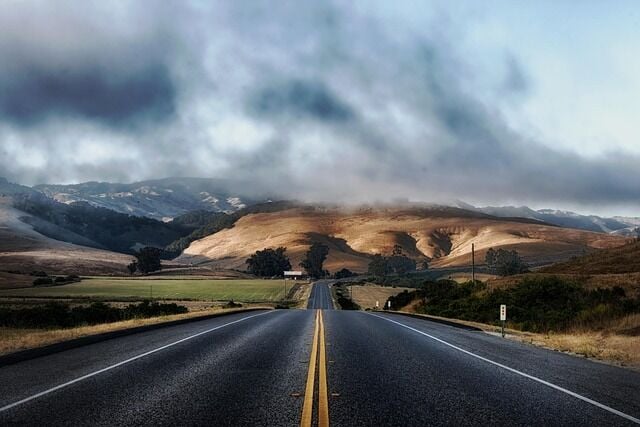
For many people, the idea of moving to the countryside has an undeniable appeal. Whether you’re flitting to a charming village, a smaller town, or a home on the outskirts of a growing community, life beyond the city often promises something that can feel increasingly rare in everyday life: space to breathe.
After years spent in more crowded communities, with constant noise and the pressure that comes with dense urban living, it’s not hard to see why more people are considering a change of scenery. Remote and hybrid work have only accelerated that trend, allowing many households to rethink where and how they want to build their next ten or fifteen years.
But is moving to the countryside definitely less stressful? The answer is often “Yes”, but perhaps not always, and not necessarily for the reasons people expect. Like any major lifestyle change, it comes with benefits, trade-offs, and a few surprises along the way.
Why are more people looking beyond the city
The appeal of country living isn’t simply about escaping the city. For many people, it can be about gaining something they feel has become difficult to find in urban environments. A larger home, a private garden, and access to green space are often high on the list. Families may be drawn to quieter streets and a stronger sense of community, while professionals increasingly appreciate the freedom that comes with working from home.
There is also a growing desire for a lifestyle that feels more intentional. Rather than spending hours navigating traffic, waiting in lines, or competing for limited space, many people are seeking environments that encourage a slower and more balanced pace of life.
That doesn’t always mean moving to an isolated farmhouse miles from the nearest neighbor. In many cases, the sweet spot lies in smaller communities or leafy suburban areas that offer a blend of convenience and tranquility.
The benefits people notice first

One of the first things a lot of new residents comment upon is the quiet. Without the constant backdrop of traffic, construction, and urban activity, many people find that their homes feel more restful. Opening a window brings the sounds of birdsong, not sirens. Evenings can feel calmer, and outdoor spaces become places to enjoy rather than simply pass through.
Access to nature also plays a significant role. Parks, forests, trails, and open landscapes become easier to reach and less crowded. Spending more time outdoors can become part of everyday life rather than something reserved for weekends. Many people also appreciate the greater sense of privacy that comes with lower-density living. Whether it’s having more space between homes or simply feeling less rushed throughout the day, these changes can deliver a stronger sense of wellbeing.
Of course, the countryside doesn’t magically eliminate stress. Work deadlines, financial responsibilities, and family obligations still exist. What often changes is the environment in which these challenges are managed, and that difference can have a meaningful impact on how serenely they can be handled.
The trade-offs we often overlook
The reality of country living is that some of the conveniences you have relied upon become less convenient. A quick trip to the grocery store may become longer. Healthcare facilities, entertainment venues, and specialist services may not be located within easy reach. Deliveries can take longer, and public transportation may be more limited or barely there at all.
For many households, driving becomes a larger part of daily life. Activities that once involved a short walk or transit ride now require a vehicle. Planning ahead becomes more important, particularly during winter weather or busy seasons. Internet connectivity and utility services are other considerations that vary significantly by location. While many rural and semi-rural areas now enjoy excellent infrastructure, others may face limitations urban residents rarely encounter - and you’ll need to judge when viewing a potential new house which category yours falls into.
These trade-offs usually won’t outweigh the benefits, but understanding them in advance can ensure that your expectations align with reality.
Why your vehicle will matter more

One aspect of rural living that often doesn’t receive as much attention when people are looking at new homes is the condition of local roads. While major routes tend to be maintained, many residents in more remote locations find themselves traveling on gravel roads, uneven surfaces, or roads that experience more wear from seasonal weather. Potholes, washboard conditions, and rough terrain can become part of everyday driving rather than occasional irritations.
As a result, you may need a sturdier car based on how often you travel and to where. At a minimum, it may be wise to invest in heavy-duty suspension upgrades so that your car is less subject to the worst of rural roads. This is particularly important if you often travel for work with heavy equipment in your vehicle or occasionally need to go off-road. It’s a lifestyle change that reflects the differences that you will be living with when you move away from more urban centers.
This will be especially true if your move to the country is joined with more frequent trips for hiking, camping, fishing and other outdoor pursuits. In these situations, your vehicle will face challenges that it never has in the city, and it pays to be ready for them.
Perhaps the biggest misconception about country living is that it involves choosing between two extremes. In reality, most of the desirable communities sit comfortably somewhere in the middle. They offer access to nature, larger properties, and quieter surroundings while still providing decent access to shops, schools and healthcare. The key is understanding what matters most to you - and how you’ll feel after the change.
Less noise, cleaner air, and a greater feeling of space may not solve every problem, but they can create an environment that feels more supportive, more restorative, and ultimately more aligned with the lifestyle that many people are looking for today. And although there is a learning curve in terms of getting used to it, it’s easily surmounted and worth dealing with.


(0) comments
We welcome your comments
Log In
Post a comment as Guest
Keep it Clean. Please avoid obscene, vulgar, lewd, racist or sexually-oriented language.
PLEASE TURN OFF YOUR CAPS LOCK.
Don't Threaten. Threats of harming another person will not be tolerated.
Be Truthful. Don't knowingly lie about anyone or anything.
Be Nice. No racism, sexism or any sort of -ism that is degrading to another person.
Be Proactive. Use the 'Report' link on each comment to let us know of abusive posts.
Share with Us. We'd love to hear eyewitness accounts, the history behind an article.