
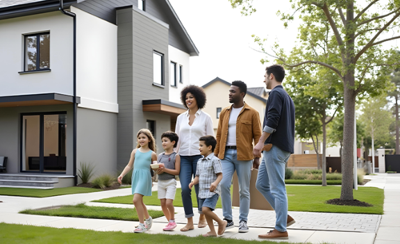

The housing market is constantly evolving, and homebuyers rarely prioritize the same features from one decade to the next. Economic conditions, technology, lifestyle changes, demographic shifts, and even broader cultural trends can influence what people want in a home. As a result, homebuilders must do more than construct houses. They must pay close attention to how buyers live, what challenges they face, and how those needs may continue to change in the future.
For builders, responding to buyer preferences is not simply about following trends. It involves balancing consumer demand with construction realities, affordability considerations, local market conditions, and long-term value. Residential development experts understand that successful communities and home designs often emerge from a willingness to adapt while still maintaining a focus on quality and functionality.
The pace of change has become particularly noticeable in recent years. Remote and hybrid work arrangements, rising housing costs, energy efficiency concerns, and changing family structures have all influenced what buyers look for when evaluating a new home. Builders who recognize these shifts are often better positioned to create homes that remain relevant as buyer expectations continue to evolve.
Flexibility Has Become a Priority
One of the most significant changes in recent years has been the growing demand for flexible living spaces. Many buyers are looking for homes that can adapt to different needs rather than serve a single purpose.
A room that functions as a home office today may later become a nursery, guest room, fitness area, or study space. As lifestyles become less predictable, buyers increasingly value layouts that allow them to adjust how they use their homes without requiring major renovations.
This trend is reflected in national research. According to the National Association of Home Builders' What Home Buyers Really Want study, home offices remain among the most sought-after features for many buyers, even as workplace arrangements continue to evolve. Builders have responded by incorporating flex rooms, adaptable floor plans, and multi-purpose spaces into many newer home designs.
Rather than focusing exclusively on square footage, many buyers are placing greater importance on how efficiently and effectively space can be used over time.
Affordability Is Influencing Design Decisions
Affordability continues to be one of the most important factors shaping buyer behavior. Higher construction costs, elevated interest rates, and limited housing supply in many markets have increased pressure on both buyers and builders.
One response has been a growing emphasis on efficiency. Builders are finding ways to maximize usable living space while minimizing unnecessary square footage. This shift reflects changing consumer priorities as well as economic realities.
According to recent NAHB research, the average size of homes preferred by buyers has declined compared with previous decades, suggesting many households are becoming more focused on practicality and value than simply purchasing the largest home possible. Buyers continue to prioritize features that improve everyday living, but they increasingly want those features delivered in a way that supports affordability.
As a result, homebuilders are often balancing two goals simultaneously: creating homes that feel spacious and functional while also remaining accessible to a broad range of buyers.
Energy Efficiency Has Moved Into the Mainstream
Energy efficiency was once viewed primarily as an optional upgrade. Today, it has become a central consideration for many homebuyers.
Rising utility costs, growing awareness of energy consumption, and advances in building technology have increased interest in features such as energy-efficient windows, improved insulation, smart thermostats, and high-efficiency HVAC systems. Buyers are increasingly evaluating not only the purchase price of a home but also the long-term cost of operating it.
Consumer research reflects this move. NAHB surveys have found that large majorities of buyers consider features such as ENERGY STAR® windows and ENERGY STAR® appliances either essential or desirable. These preferences have encouraged builders to integrate energy-efficient features into standard home designs rather than offering them solely as premium upgrades.
For buyers, energy efficiency can contribute to lower operating costs and improved comfort. For builders, it has become an important way to align homes with changing consumer expectations.
Communities Matter as Much as Homes
Buyer preferences extend beyond the walls of a home. Increasingly, people evaluate neighborhoods and communities as carefully as they evaluate floor plans and finishes.
Access to parks, trails, recreation, schools, retail centers, healthcare, and transportation can all influence purchasing decisions. Many buyers are thinking about how a community will support their daily routines and long-term lifestyle goals.
The National Association of Realtors has consistently found that neighborhood quality ranks among the most important factors influencing home-purchase decisions. This helps explain why many newer developments place greater emphasis on amenities, open space, connectivity, and community design.
Builders who understand these priorities are often thinking not only about individual homes but also about the broader environment in which those homes exist.
Preparing for Future Preferences
One of the greatest challenges facing homebuilders is that buyer preferences will continue to change. Features that seem essential today may become less important in the future, while entirely new priorities may emerge as technology, demographics, and lifestyles evolve.
The most successful builders are often those that remain attentive to these shifts while avoiding the temptation to chase every short-term trend. Instead, they focus on creating homes and communities built around principles that tend to remain relevant over time: functionality, flexibility, efficiency, comfort, and long-term value.
While no one can predict exactly what future buyers will want, understanding how preferences evolve allows builders to make more informed decisions today. In a constantly changing housing market, the ability to adapt may be one of the most important advantages a builder can have.

(0) comments
We welcome your comments
Log In
Post a comment as Guest
Keep it Clean. Please avoid obscene, vulgar, lewd, racist or sexually-oriented language.
PLEASE TURN OFF YOUR CAPS LOCK.
Don't Threaten. Threats of harming another person will not be tolerated.
Be Truthful. Don't knowingly lie about anyone or anything.
Be Nice. No racism, sexism or any sort of -ism that is degrading to another person.
Be Proactive. Use the 'Report' link on each comment to let us know of abusive posts.
Share with Us. We'd love to hear eyewitness accounts, the history behind an article.