
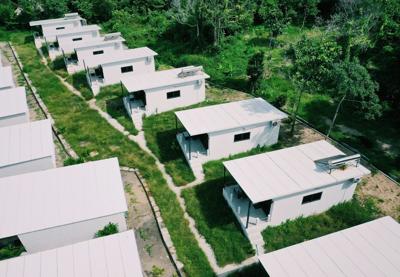
How about setting up a mobile home? Awesome choice. Whether it's your first go or you're doing it again in a new spot, getting your land ready is the key to a smooth setup. It's not just about placing the home and moving in there’s a bit of prep work involved. From permits to utilities and everything in between, this guide will walk you through what you need to do before your home even touches the ground.

Let’s dive in and get your land mobile home ready, one step at a time.
Pick the Perfect Spot on Your Property
Not all areas of your land will be equally suitable. Start by looking at elevation, drainage, and how flat the surface is. Flat land usually works best, but it’s still important to check if it’s in a flood zone or prone to erosion. High ground with solid soil is your best bet.
It’s also worth considering things like access to sunlight, proximity to roads, and how close you are to utilities like water, sewer, and electricity. These will play a big role in determining how much extra work (and cost) you’ll be looking at later.
If you’re unsure about what makes a spot ideal or need help evaluating your property, working with professionals like Holy City Mobile Homes can simplify the process. Their team can assess your land and guide you in selecting the optimal location for setup.
Permits, Paperwork, and Local Rules
Before doing any digging or leveling, make a quick stop at your county’s planning office. Zoning laws vary by location, and some areas don’t allow mobile homes or have strict placement rules. You might need a building permit, septic system approval, utility access permissions, or even an inspection before installation.
Some places also have minimum square footage requirements or rules about permanent foundations. Don’t assume always check. Missing this step can delay your move-in date by weeks (or worse).
Clear the Land and Remove Obstacles
Once you're legally cleared to move forward, it’s time to break out the tools (or hire someone who has them). Clear the land of trees, bushes, rocks, stumps, and any other obstacles. Depending on how wooded or uneven your lot is, this could be a weekend project or a major land-clearing operation.
Grading is next. You’ll need the area leveled and possibly sloped slightly to encourage proper water runoff. Standing water under your home isn’t just a nuisance, it can cause structural issues, mold, and rot.
Foundation Matters More Than You Think
You’ve got a few choices when it comes to foundations: pier and beam, slab, or crawl space. Most mobile homes use a pier system, which involves concrete blocks or steel piers placed under the home to hold it up. It’s affordable and works great for most terrains.
If your area is prone to flooding, go with an elevated foundation. On the other hand, if you want the feel of a traditional home, a slab foundation provides a more permanent feel. It’s a bit more expensive, but it's worth it in certain conditions.
Make sure your installer is certified, poor foundation work can lead to uneven settling, cracked walls, or even structural failures down the line.
Hooking Up Utilities: Water, Power, Sewer
You can’t live comfortably without the basics water, electricity, and sewage. Start by figuring out what's already on your land. If it’s raw land, you’ll need to install a well or connect to city water, set up a septic tank or tap into the municipal sewer system, and bring in electrical service (or solar if you’re off-grid).
Each utility usually requires its inspection and permit, especially septic systems. This step often takes the longest, so get it started early.
For electricity, contact your local utility provider to set up a service pole or connect to the grid. You’ll also need a licensed electrician to wire your home to the meter.
Consider Driveway Access and Entry Points
Don’t forget how your mobile home will reach its final spot. The delivery truck needs a clear path with plenty of room to maneuver. That means wide driveways, trimmed trees, and firm ground. Muddy or narrow paths can stall or damage the delivery process.
You might need to bring in gravel or even lay a temporary road if your land is difficult to access. It's not just about getting the home in emergency services, delivery vehicles, and future maintenance all need to be able to reach your home easily.
Skirting, Tie-Downs, and Final Touches
Once your mobile home is placed and utilities are connected, it’s time to finish things up. Skirting (the panels that go around the base of the home) protects from animals, moisture, and wind. It also gives the home a finished, cohesive look.
Tie-downs are mandatory in many states, they secure your mobile home to the ground and prevent damage from wind or shifting soil. A professional installer will make sure these are done correctly and up to code.
Add porches, steps, ramps, or decks based on your personal preference and local regulations. And don’t forget landscaping! A few shrubs or a gravel walkway can go a long way in making the place feel like home.
Inspections and Occupancy Certificate
After everything’s installed and connected, you may need a final inspection depending on your local codes. This inspection checks your electrical system, plumbing, septic, and foundation. If all goes well, you’ll be issued an occupancy certificate, which gives you the green light to move in.
If something doesn’t pass, don’t panic. Most issues are minor and can be fixed quickly. Just make sure you're working with experienced pros who can handle any necessary adjustments.
When in Doubt, Get Expert Help
Getting your land ready for a mobile home is a big task, but you don’t have to do it alone. Professional mobile home installers, electricians, and contractors can handle a lot of the legwork if you’re unfamiliar with zoning codes, foundation specs, or utility logistics.
You're Almost There
Once your land is cleared, leveled, connected, inspected, and ready, you're in the home stretch. All that's left is moving in and making the space your own. Maybe it’s adding a cozy firepit in the yard, planting a garden, or setting up your dream porch swing. Whatever home means to you, now you’ve laid the groundwork literally.
Take it one step at a time, and soon you’ll be unlocking the door to your fully set-up mobile home with confidence.
(0) comments
We welcome your comments
Log In
Post a comment as Guest
Keep it Clean. Please avoid obscene, vulgar, lewd, racist or sexually-oriented language.
PLEASE TURN OFF YOUR CAPS LOCK.
Don't Threaten. Threats of harming another person will not be tolerated.
Be Truthful. Don't knowingly lie about anyone or anything.
Be Nice. No racism, sexism or any sort of -ism that is degrading to another person.
Be Proactive. Use the 'Report' link on each comment to let us know of abusive posts.
Share with Us. We'd love to hear eyewitness accounts, the history behind an article.