

Factors To Think Over Before Large Scale Home Renovations
Are you ready to perform a large scale renovation of your existing home so that you can finally have your dream home or to help improve the functionality, flow and aesthetic value of your interior and exterior spaces? If you are, you may want to consider these factors when getting ready to make your major home improvements in order to make sure you are mentally and financially ready for the undertaking.
1. What’s your home renovation budget?
The first thing to consider when getting ready for a major home renovation is your budget. What do you expect to spend and how are you financing your project? Financing options that homeowners can choose to include getting a home equity line of credit if the value of your home has significantly increased since you bought it, taking out a second mortgage, using retirement funds or money from your savings account and getting financed by the home renovation company. Before you start building or even contract a home renovation and remodeling company, you’ll need to determine how you are going to finance the project and how much you can spend on your project. It is only after thoroughly understanding your finances that you can determine which additions and renovations to perform.
2. What rooms do you need?
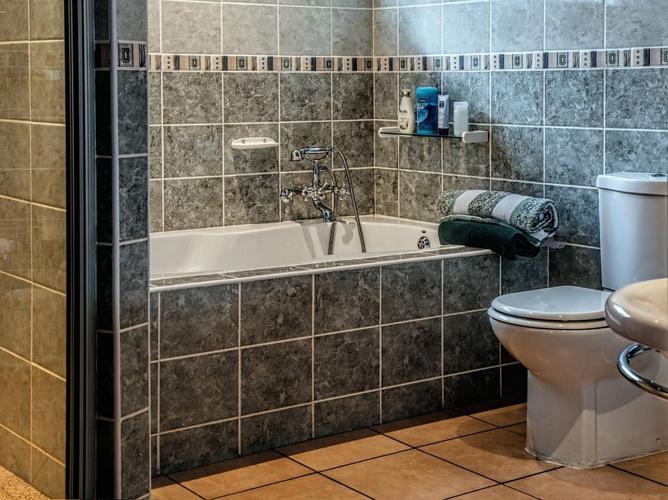
Determine what extra rooms you need and what rooms need to be renovated. The most common rooms for upgrades and renovations are the bathrooms and the kitchen. After all, these are what sell homes, and they can make or break the functionality of your home. For this reason, we recommend starting with these rooms and thinking about what you need. Does your kitchen’s layout work for you? Is it large enough? Do you need cabinets, floors, counters, and appliances? Is your master bathroom and guest bathroom large enough? Do you have closets on either side of these rooms that you don’t use and can be utilized to expand the spaces? Do you want a walk-in shower? Do you need added features for mobility and ease of access as you age so that you can stay in your home?
For room additions, consider what you need? Has your family outgrown the space, resulting in the need for more bedrooms and more gathering spaces for private family time? Do you have aging parents that may need to move in with you in the future, resulting in the need for a first-floor in-law suite? Do you have specific hobbies, like crafting, sewing, woodworking and gardening that may need dedicated space, or have you recently started your own business and need a home office?
3. Do you have enough property to expand your first floor or do you need to build up?
The types and number of extra rooms you need, will determine whether your building out or up or both and may affect the overall layout and flow pattern through your home. The good news is that our professional and experienced home renovation team of designers and builders can help you determine which rooms are best for your family, where to put them and how to adjust the interior spaces to ensure your home flows correctly and is functional and aesthetically pleasing. As Gavin Smith from ibuiltmyhome says, if you are looking to put a two-story addition onto your current home, there is more permitting that you’ll need to go through than with a traditional single-story addition, which means when you get to this stage, it may be a good idea to start talking to our builders. By taking this first step early in the process, you'll understand what's involved in your home remodel, even all the different types of permits and how long they take to get approved.
Additionally, there are better places to put certain rooms in order to make sure that your home’s layout makes sense. For example, if you need more bedrooms and private family living spaces, you may want to consider adding a second level to your home. This helps provide separation between public and private spaces. Of course, there are additional considerations when it comes to adding a second story, like determining the extra structural components that will be needed on your first story to ensure it can support the weight of a second story, and figuring out where to put the staircase. Ideally, a new staircase would be able to fit in the foyer in front of your front door, but you may need to utilize a nearby closet in order to insert the new staircase.
If you need to expand your kitchen, moving the rear wall a few feet into your backyard can accomplish this task. If you need an in-law suite, you’ll need to make sure it has an exterior wall with its own private entrance and exit and is located next to the garage for easy car access if your relative still uses a vehicle. If you want to add a home theatre and your home has a basement with adequate height, finishing the space may be the most economical.
4. Are you overbuilding for your neighborhood?
How have the other homeowners in your neighborhood renovated and expanded their homes? Taking a look at the recent listings in your area and viewing the images as well as going to any open houses can tell you how other homeowners in the area have upgraded their homes and what materials they used. The key here is not overbuilding for your neighborhood. If no other homes in the area have granite countertops and hardwood floors, you may want to think twice before adding those expensive finishes. You can always choose less expensive finishes that serve the same purpose and function. For example, if you really had your heart set on hardwood, consider laminate floors or luxury vinyl floors. If you dreamed of granite countertops, think about installing custom concrete counters that can be stained to look like granite or another type of stone.
Additionally, if everyone has added a third or fourth bedroom and/or a pool, you’d also want to add those items in order to keep up with your neighborhood. The reason is simple. If you overbuild for your area, your home won’t sell for what it’s worth, and if you underbuild, you’ll have to price your home lower than the neighborhood average if you ever decide you need to move.
5. How long do you plan to stay in your home?
If you do not plan to stay in your home for the next five to seven years, you may want to scale back your renovations, especially if your choices were to upgrade your current home or move. There’s a difference between upgrading and renovating your home to improve its resale value and marketability and upgrading your home for you and your family so that it becomes your dream home. When you upgrade a home to improve how fast your home sells and the market value of your home, it’s important to focus on things that matter to buyers, like installing a new roof, HVAC system and upgrading the floors from carpet to solid-surface. It’s also important to renovate and upgrade kitchens and bathrooms along with the appliances and fixtures and to make sure your home matches the rest of the home as far as size and number of bedrooms and bathrooms.
When you renovate your home and perform additions for you and your family, what you renovate is up to you and what you need. This means that if you have four kids and your number bedrooms require that you have two kids per room, you’d want to add more bedrooms even if the result is that your home has more bedrooms than every other home on your block. If you love double-wall ovens, but no one else has double-ovens, you can go ahead and add that feature because it’s for your convenience, not necessarily to improve the resale value of your home.
6. Are you worried about your Return-on-Investment (ROI)?
If you are worried about your Return-on-Investment, it’s a good idea to keep in mind the average ROI for each renovation on the interior and exterior of your home. For example, a minor bathroom remodels to update the look and feel can recoup as much as 102 percent of its cost. A major bathroom remodel tends to recoup about 93 percent of the cost, and performing bedroom updates typically recoup about 66 percent of the cost. If you look outside, landscaping your property recoups as much as 100 percent of the costs and performing exterior improvements, like replacing your siding, roof and exterior doors recoup as much as 96 percent of the costs.

Factors To Think Over Before Large Scale Home Renovations
7. Where will you store your belongings
Regardless of the size and type of your renovation, you will need to remove some or all of your belongings from your home. This includes important paperwork and anything of value. If your valuable items are small, you may be able to rent a safe deposit box at your local bank. If you have larger items that need to be removed from your home, you’ll have to rent a storage unit. This is because you’ll want to keep your belongings safe from theft and damage, and the only way to do that during a home renovation is to move them out of your home.
8. Do you have another place to stay during your major home renovation?
Major home renovations can be difficult to live through, and depending on the type of renovation, you may need to move out of your home during the renovations. This is especially true if you are building a second level. Once the roof has been removed, you won’t be able to live in your home. You’ll have to live in a hotel, get a temporary apartment or move in with relatives.
Even first floor renovations and additions can be stressful. This is because, during certain times of the day, your remodeling company may have to turn off the water to your home or the electricity in order to ensure the renovations are performed properly and that everyone on the construction site is safe. If your construction company is renovating your kitchen, you’ll have to order your meals for delivery or go out to eat until your kitchen remodel is complete.
9. Are you mentally and financially prepared for delays?
It’s important to understand that home renovation and upgrades can experience delays due to foreseen and unforeseen problems. The delay can be as simple as the flooring company will be late delivering your new floors. Delays can be caused by weather, and delays can even be caused by the various inspections that are needed during the construction process. This includes inspections of new electrical wiring and plumbing and even new HVAC systems in order to ensure that all these features meet or exceed the current building codes in your city.
There’s also the possibility that when your contractors start opening the walls, they find damage. This can be insect and rodent damage or water damage from leaks that went undetected. When damage is found, it has to be corrected before renovations can continue, and this can cause not only delays, but budget overruns.
When delays happen, they can cause you to have to remain outside your home for a longer period of time than you anticipated, and depending on the reason, they can even increase your budget. Therefore, it’s important to mentally and financially prepare yourself for the inevitability of construction delays. Mentally, it’s just coming to terms with the fact that delays happen. Financially, you’ll want to add about 10 to 20 percent to your home renovation budget to cover delays and unforeseen circumstances, like hidden damage.
By keeping these factors in mind, you’ll be helping yourself and your family prepares for your major home renovations. You’ll also make it less likely that you’ll over or underbuild for your area, and you’ll help ensure that you have the proper amount of money available for your renovation by taking into consideration the possibility of delays and budget overruns due to unforeseen circumstances. Not to mention, once your major renovation is complete, you'll get to enjoy your existing home as if you purchased a new home.


(0) comments
We welcome your comments
Log In
Post a comment as Guest
Keep it Clean. Please avoid obscene, vulgar, lewd, racist or sexually-oriented language.
PLEASE TURN OFF YOUR CAPS LOCK.
Don't Threaten. Threats of harming another person will not be tolerated.
Be Truthful. Don't knowingly lie about anyone or anything.
Be Nice. No racism, sexism or any sort of -ism that is degrading to another person.
Be Proactive. Use the 'Report' link on each comment to let us know of abusive posts.
Share with Us. We'd love to hear eyewitness accounts, the history behind an article.