
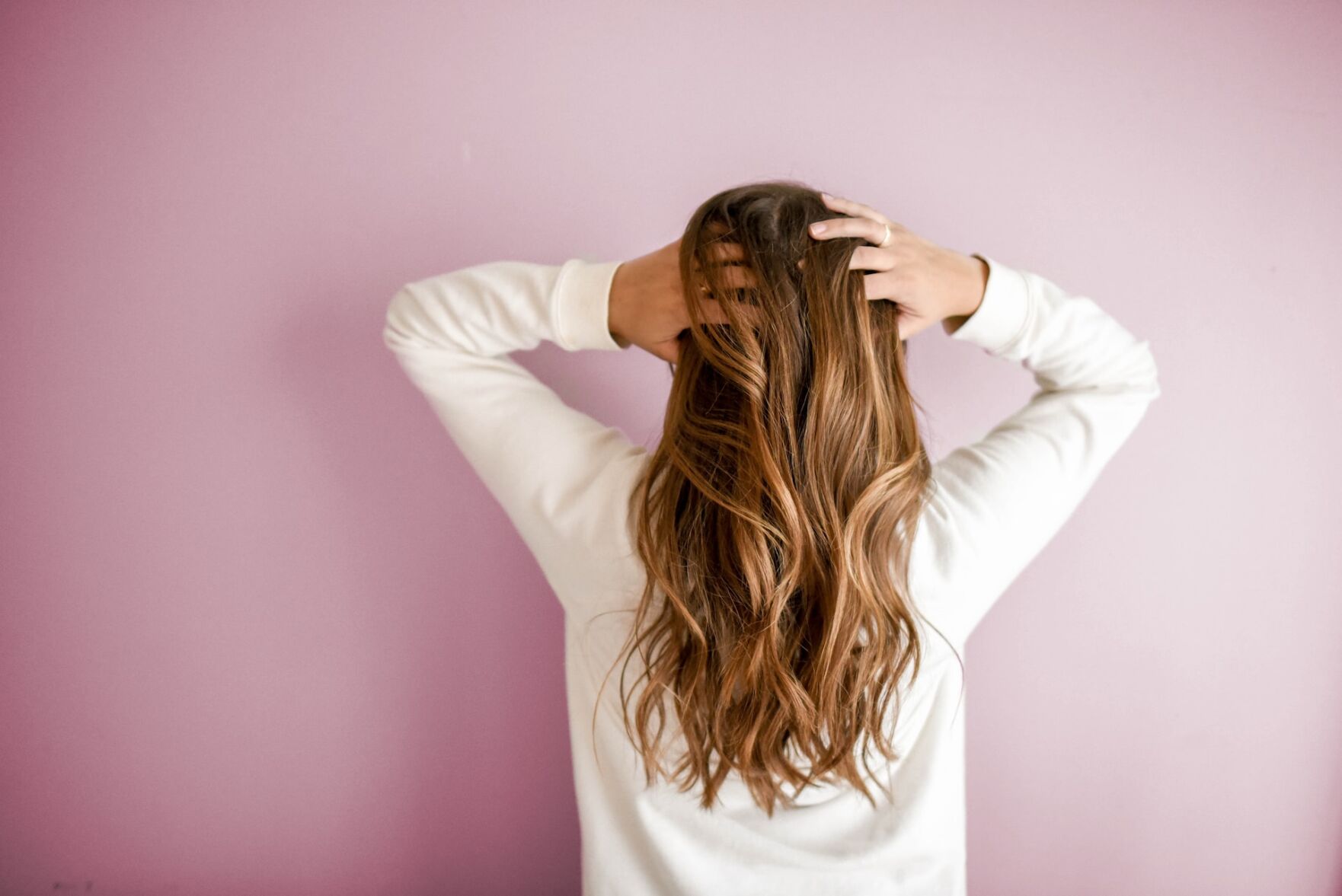
Hair loss can be a challenging and emotionally distressing experience for many individuals. Losing hair can impact self-esteem and confidence, whether it's due to genetics, hormonal changes, stress, or other factors.
However, the good news is that various options, such as Transitions Hair in Sydney, can restore your hair and boost your confidence. In this comprehensive guide, we will explore different approaches to hair restoration, ranging from lifestyle changes to advanced medical treatments.
Understanding the Impact of Hair Loss
Hair loss, a pervasive concern affecting millions globally, transcends the boundaries of gender, age, and culture. Its roots lie in a complex interplay of genetic predispositions, hormonal fluctuations, medical conditions, and stressors, presenting a multifaceted challenge.
Beyond the physiological aspects, the emotional toll is profound, leading to feelings of vulnerability, self-consciousness, and a notable erosion of confidence. This psychological impact extends into various facets of life, influencing personal relationships and professional pursuits. Moreover, societal standards of beauty contribute to the stigmatization of individuals facing hair loss, exacerbating the emotional strain and scrutiny they endure.
Understanding the impact of hair loss requires a holistic perspective that considers genetic, hormonal, medical, and emotional dimensions. By fostering empathy and awareness, society can create a supportive environment. Empowering individuals with hair loss to navigate their journey with resilience and confidence involves dismantling societal norms and fostering a culture that embraces diverse appearances and experiences.
Lifestyle Changes for Healthy Hair
Balanced Diet
A nutritious diet plays a significant role in maintaining healthy hair. Include foods rich in vitamins, minerals, and proteins, such as leafy greens, nuts, eggs, and fish. Supplements like biotin and omega-3 fatty acids can also promote hair health.
Stress Management
Chronic stress is a known contributor to hair loss. Practice stress-reducing exercises like meditation, yoga, or deep breathing to maintain a healthy mind and body.
Gentle Hair Care
Treat your hair with care to prevent further damage. Avoid excessive heat styling, tight hairstyles, and harsh chemical treatments. Use a mild shampoo and conditioner suitable for your hair type.
Over-the-Counter Solutions
Topical Treatments
Over-the-counter topical treatments containing minoxidil can stimulate hair growth. These products, such as foams and solutions, are available in various forms and are applied directly to the scalp.
Nutritional Supplements
Supplements like biotin, vitamin E, and iron are commonly used to support hair growth. Consult with a healthcare professional before adding any new supplements to your routine.
Professional Interventions
Platelet-Rich Plasma (PRP) Therapy
PRP therapy involves drawing a small amount of the patient's blood, processing it to concentrate platelets, and injecting it into the scalp. The growth factors in the platelets stimulate hair follicles and promote hair growth.
Hair Transplantation
Hair transplant procedures have evolved significantly in recent years. Techniques like Follicular Unit Transplantation (FUT) and Follicular Unit Extraction (FUE) are widely used to transplant healthy hair follicles from one part of the scalp to areas with thinning or no hair.
Low-Level Laser Therapy
This involves using low-level lasers or light-emitting diodes (LEDs) to stimulate hair follicles and promote hair growth. This non-invasive treatment can be administered at home with devices like laser combs or caps.
Prescription Medications
Prescription medications like finasteride can effectively treat hair loss by inhibiting the action of dihydrotestosterone (DHT), which is linked to hair thinning and loss.
Holistic Approaches
Ayurveda and Traditional Chinese Medicine
Ancient healing practices like Ayurveda and Traditional Chinese Medicine offer holistic approaches to hair restoration. Herbal remedies, acupuncture, and lifestyle adjustments are integral to these systems.
Aromatherapy
Essential oils like rosemary, lavender, and peppermint are believed to promote hair growth. Massaging these oils into the scalp can improve blood circulation and stimulate hair follicles.
Holistic Lifestyle Practices
In addition to specific interventions, adopting a holistic approach to your overall lifestyle can further contribute to healthy and vibrant hair. Ensure you maintain a regular sleep schedule, as sleep is crucial for general well-being, including hair health. A consistent sleep routine helps the body repair and regenerate, promoting optimal conditions for hair growth.
Hydration
Proper hydration is essential for healthy hair. Drinking an adequate amount of water helps to nourish hair follicles and keep the scalp moisturized. Dehydration can lead to brittle and dry hair, making it more prone to breakage. Make a conscious effort to drink enough water throughout the day to support overall hair vitality.
Regular Exercise
Regular physical activity benefits your body and promotes good circulation, vital for delivering nutrients to the hair follicles. Incorporate brisk walking, jogging, or cycling into your routine to enhance blood flow to the scalp, fostering a conducive environment for hair growth.
Avoid Smoking and Excessive Alcohol Consumption
Smoking and excessive alcohol consumption can negatively impact hair health. Both of these habits can lead to poor circulation, reducing the supply of nutrients to the hair follicles. Quitting smoking and moderating alcohol intake can contribute to better overall health, positively influencing the condition of your hair.
Consultation with Healthcare Professionals
If you're experiencing significant hair loss or scalp issues, it's advisable to consult with healthcare professionals, including dermatologists or trichologists. These specialists can conduct thorough assessments, identify underlying causes, and recommend personalized treatments or interventions tailored to your needs.
Regular Hair Checkups
Similar to routine health checkups, scheduling regular appointments with a hairstylist or trichologist can help monitor the condition of your hair and scalp. Professionals can provide valuable insights, detect early signs of potential issues, and suggest appropriate adjustments to your hair care routine.
Cultivate a Positive Mindset
Maintaining a positive mindset and reducing unnecessary stressors can positively impact your overall well-being, including hair health. Surround yourself with supportive relationships, engage in activities that bring joy, and practice mindfulness techniques to manage stress effectively.
Combining these comprehensive strategies with the previously mentioned tips creates a holistic approach to maintaining and promoting healthy hair from both internal and external perspectives. Remember that individual responses to interventions may vary, so patience and consistency are key to achieving long-term results.
Restoring your hair and confidence is a multi-faceted journey that involves lifestyle adjustments, over-the-counter solutions, professional interventions, and holistic approaches. The key is approaching hair restoration comprehensively, addressing the underlying causes and choosing a combination of methods that suit your needs. Consulting with a healthcare professional or a hair restoration specialist can provide personalized guidance and ensure a more effective and sustainable outcome. Remember, regaining your hair is not just about aesthetics; it's about reclaiming your confidence and embracing your authentic self.
Here are some other articles related to your search:
- Everything You Need To Know About Hair Restoration For Men
- Beauty Tips For Hair Loss
- 5 Hair Tools To Increase Growth


(0) comments
We welcome your comments
Log In
Post a comment as Guest
Keep it Clean. Please avoid obscene, vulgar, lewd, racist or sexually-oriented language.
PLEASE TURN OFF YOUR CAPS LOCK.
Don't Threaten. Threats of harming another person will not be tolerated.
Be Truthful. Don't knowingly lie about anyone or anything.
Be Nice. No racism, sexism or any sort of -ism that is degrading to another person.
Be Proactive. Use the 'Report' link on each comment to let us know of abusive posts.
Share with Us. We'd love to hear eyewitness accounts, the history behind an article.