
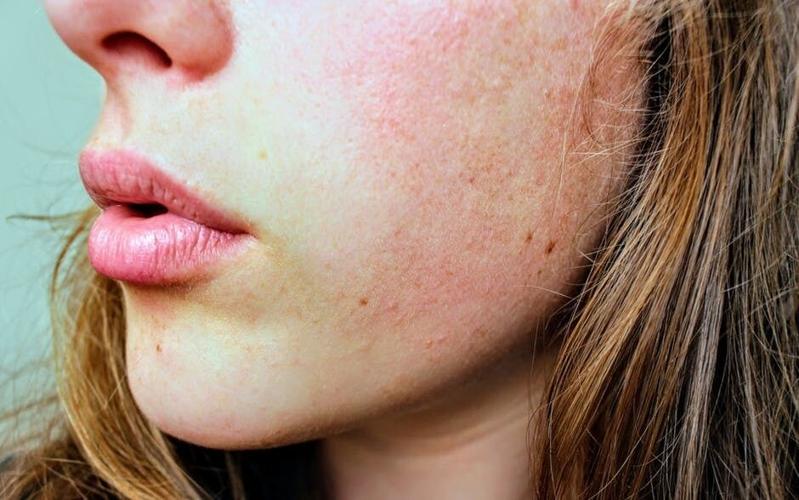
Almost everyone looks in the mirror and finds something they wish they could change about their skin. Whether it is a sudden breakout or a patch of dryness, these concerns are a shared human experience.
Skin is the protective barrier against the outside world, so it naturally takes a lot of wear. Understanding why these issues happen can help you manage them better. You are not alone in this journey toward healthier skin.

The Universal Nature Of Skin Challenges
Everyone deals with some form of skin trouble during their lifetime. The skin is the largest organ of the body and constantly interacts with the environment. It regenerates every few weeks, which means there are many chances for things to go wrong. Minor irritations occur when the body is trying to protect itself from outside forces.
Pores can get clogged by oil or dead cells quite easily. This happens to people of all ages and backgrounds, regardless of their daily habits. Most people find that their skin changes as they move through different stages of life. Seeing a blemish or a red spot is a sign that your body is reacting to internal or external changes.
Biological Factors And Genetics
Your DNA affects how your skin behaves throughout the years. Some people are born with a tendency toward oilier skin or more sensitive reactions. Seeking out an effective acne scar treatment might become necessary if your genetics make you prone to deep breakouts. Professional options can smooth out the texture and restore your confidence.
Inherited traits determine how much collagen your skin produces. Collagen keeps everything firm and prevents sagging or fine lines from appearing too early. If your parents had certain skin conditions, you might notice similar patterns in your own complexion. Scientific research shows that biological predispositions are often the primary cause of chronic skin struggles.
Environmental Stressors On Your Surface
The world around you is full of factors that can irritate your protective outer layer. Pollution and dust in the air settle on the surface and cause inflammation. Over 2 billion people across the planet live with some type of skin concern. This figure highlights how common it is for the environment to impact our physical well-being.
Weather changes can strip away moisture or cause excess oil production. Hard water in your home can leave behind minerals that dry out your pores and create a film that makes it harder for soaps to work correctly. UV rays from the sun break down the structural integrity of the skin and lead to premature spots. Protect yourself with a simple hat or shade to mitigate the issue.
Understanding Common Conditions
Acne is the most frequent complaint that people bring to their doctors. Nearly 50 million people in the United States face this condition every single year. The prevalence of this issue makes it a top priority for researchers and dermatologists. Most cases are manageable with the right products and a bit of patience.
Eczema and psoriasis cause significant discomfort for many, as these are related to the immune system overreacting to certain triggers. Redness and itching can flare up without warning and last for days or weeks. Knowing that millions of others share these struggles can make the process feel less isolating.
The Impact Of Lifestyle Choices
Diet and hydration levels directly influence how clear and bright your skin looks. Eating a lot of processed sugars can lead to spikes in insulin that trigger oil production. Drinking enough water flushes out toxins and keeps the cells plump. Skipping out on a full night of sleep shows up as dark circles or a dull complexion.
Eat more leafy greens and healthy fats to support cell repair
Drink at least 8 glasses of water to maintain internal hydration
Limit high-sugar snacks that can cause inflammation in the body
Wash your pillowcases once a week to remove bacteria and oil
Stress is a silent contributor to many common skin flare-ups. When you feel stressed, your body releases cortisol and wreaks havoc on your pores. Exercise improves circulation and brings a healthy glow to your face by delivering oxygen to the cells. Consistent habits are the foundation of a reliable skincare routine.
Hormonal Fluctuations Through Life
During puberty, a surge in certain hormones causes oil glands to grow and produce more sebum. This process is entirely natural but may result in breakouts associated with being a teenager. Adults experience these shifts during pregnancy or monthly cycles. Eczema affects a large portion of the global population, including up to 20% of children.
Menopause brings a drop in estrogen, which can lead to thinning skin and a loss of moisture. Using thicker creams or serums can compensate for the lack of natural oils. Hormonal issues are internal, so topical treatments might only provide a partial solution.
Age-Related Changes In Texture
As you get older, the rate of cell turnover begins to slow down. Dead skin cells stay on the surface longer, which can make the texture feel rough. The skin becomes thinner and loses some of its ability to bounce back after being stretched. Small lines may start to appear around the eyes and mouth, where the skin is most delicate.
Apply sunscreen every morning to prevent further damage from UV light
Use a gentle exfoliant to help remove the buildup of dead skin cells
Look for products containing antioxidants to protect against free radicals
Keep the skin moisturized to maintain a strong and healthy barrier
The loss of fat in the face can lead to a more sunken look in certain areas. This is a normal part of the aging process that every human goes through. Embracing these changes while still taking care of your health is a balanced approach. Modern skincare focuses heavily on supporting the skin as it matures naturally.

Your skin is a reflection of both your internal health and your life experiences. It protects you from the world every day, so it deserves a little bit of extra care and attention. Everyone faces these challenges, which can take the pressure off of having a perfect complexion. Small changes in your daily habits will result in lasting improvements that make you feel better in your own skin.
(0) comments
We welcome your comments
Log In
Post a comment as Guest
Keep it Clean. Please avoid obscene, vulgar, lewd, racist or sexually-oriented language.
PLEASE TURN OFF YOUR CAPS LOCK.
Don't Threaten. Threats of harming another person will not be tolerated.
Be Truthful. Don't knowingly lie about anyone or anything.
Be Nice. No racism, sexism or any sort of -ism that is degrading to another person.
Be Proactive. Use the 'Report' link on each comment to let us know of abusive posts.
Share with Us. We'd love to hear eyewitness accounts, the history behind an article.