
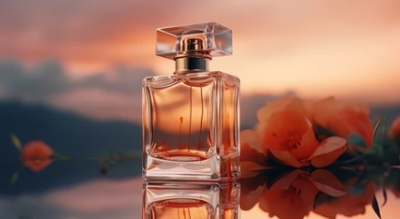

Perfume counters used to be split down the middle: florals and fruit on one side, woods and spice on the other. That divide is fading fast, and the shift shows up in sales data across the industry, not just in a single brand's marketing push.
A unisex fragrance is simply a scent built to skip gendered labeling altogether, formulated around notes like musk, wood, and amber that work the same regardless of who is wearing it, and shoppers are buying into that idea in growing numbers.
This piece covers why demand keeps climbing, how these blends smell different from traditional men's or women's lines, and a handful of bottles worth sampling if the whole category is new territory. By the end, the appeal of unisex fragrances should make a lot more sense, along with a few names to add to a wish list.
Why Are Shoppers Suddenly Choosing Unisex Over Gendered Lines?
Shoppers are choosing unisex fragrances because they offer more flexibility for less money spent building separate collections. Industry researchers have repeatedly flagged unisex as the fastest-growing gender segment in the fragrance market, with growth outpacing both the traditional men's and women's categories year over year.
A few forces are driving that shift at once:
- Shared bottles cut cost per household. One shared unisex fragrance can replace two separate purchases for couples or roommates.
- Younger buyers reject rigid gender marketing. Millennial and Gen Z shoppers consistently favor labels that skip "for him" and "for her" framing entirely.
- Niche perfumery normalized neutral scent design. Independent perfumers have built entire catalogs around unisex formulas rather than treating them as an afterthought line.
Some analysts now estimate unisex releases account for close to a fifth of total fragrance sales, a jump few would have predicted a decade ago. Rose, for example, appears constantly in men's colognes from major perfume houses, while patchouli and oud show up just as often in women's collections, so the old gendered split was arguably artificial from the start.
How Do Unisex Blends Smell Different From Gendered Scents?
Unisex blends tend to lean on note families that read as neutral on the skin rather than obviously sweet or obviously sharp. That usually means less reliance on heavy florals or classic barbershop aromatics and more reliance on woods, musks, and skin-like accords that shift subtly depending on body chemistry.
Note Families That Lean Neutral
Sandalwood, cedar, iris, ambergris, and clean musks show up constantly across unisex releases because they behave consistently across a wide range of skin types. Citrus and green tea notes are common too, since they read as fresh without tipping into either traditionally masculine or traditionally feminine territory.
Which Unisex Fragrances Are Worth Trying First?
A handful of releases have become reference points for anyone starting a unisex collection, and each takes a different approach to gender-neutral perfumery. Trying a few side by side is the fastest way to figure out which note family suits a person's skin and lifestyle best.
Lorenzo Pazzaglia Summer Hammer Extrait de Parfum Spray for Unisex
Lorenzo Pazzaglia’s Summer Hammer sits at the top of the list for a reason: it is a concentrated, skin-close blend built around warm woods and a soft citrus opening, formulated to wear the same on any skin type without ever tipping into a "masculine" or "feminine" direction.
The extrait concentration means it projects modestly but holds on the skin for hours longer than a lighter formula would. It reads as sunlit and understated rather than loud, which makes it an easy first pick for someone testing the unisex category for the first time.
Le Labo Santal 33
Santal 33 became one of the most recognized unisex releases of the last decade largely because of how consistently it wears across different skin types. The formula centers on smoky sandalwood layered with leather and a touch of spice, giving it a slightly dry, woody character that avoids reading as sweet or floral.
It is a common entry point for shoppers coming from traditionally masculine colognes who want something less sharp.
Maison Margiela Replica Jazz Club
Built around a warm tobacco-and-rum accord, this one leans into memory and atmosphere rather than gender.
The opening is spiced and a little smoky, settling into a cozy vanilla-tinged base that works equally well layered under a jacket in cooler months. It tends to appeal to shoppers who want something comforting rather than sharp or fresh.
Byredo Gypsy Water
Gypsy Water pairs juniper berries with vanilla and a hint of incense, landing somewhere between fresh and warm without settling firmly into either camp. It has a slightly bohemian, outdoorsy character that reads as effortless rather than heavily perfumed.
This is a good option for someone who wants a unisex scent that still feels light enough for daytime wear.
Comme des Garçons Wonderwood
Wonderwood is built around a resinous, woody core that has been marketed without gender framing since its release. It skews darker and more concentrated than Gypsy Water, with a slightly smoky, almost incense-like quality that lingers close to the skin.
Fans of denser, more dramatic woods tend to gravitate toward this one over lighter citrus-forward options.
How to Choose a Unisex Scent That Fits a Personality
Picking the right unisex fragrance is easier when it is approached as a short process instead of a random purchase.
- Identify a note family already worn comfortably. Someone who already likes woody colognes or musky body sprays has a head start on which unisex direction to try first.
- Test on skin, not on paper. Unisex formulas often shift more dramatically on skin than gendered scents do, since they are built to interact with a wider range of body chemistry.
- Wear it for a full day before judging. The dry-down on musks and woods can smell completely different three hours in than it does on first application.
- Compare concentration levels. An extrait de parfum like Summer Hammer will project less but last significantly longer than a lighter eau de toilette.
- Buy a travel size before committing to a full bottle. This keeps the cost of experimentation low while a shopper narrows down a signature scent.
How Do Unisex Fragrances Compare to Traditional Men's and Women's Lines?
| Category | Typical Note Focus | Marketing Approach | Best For |
| Unisex Fragrances | Woods, musks, ambers, skin-scent accords | Gender-neutral packaging and language | Shared use, minimalist collections |
| Traditional Men's Lines | Aromatic, fougère, sharp citrus | Marketed toward masculinity and grooming | Classic barbershop-style scents |
| Traditional Women's Lines | Floral, fruity, gourmand | Marketed toward femininity and glamour | Sweet, statement-making scents |
The table makes one thing clear: unisex fragrances are not simply "watered-down" versions of gendered scents. They are formulated from a different starting point, one built around versatility instead of a specific demographic.
A traditional floral can smell dated within a few seasons as trends shift, while a well-built musk or sandalwood base tends to stay wearable for years, which is part of why so many long-running niche houses built their entire catalog around the category from day one.
What Does the Future Look Like for Gender-Neutral Perfumery?
The shift toward unisex perfumery is more than a trend; it is a lasting evolution in how we wear scent. As rigid marketing fades, perfume lovers are choosing personal taste and ingredient quality over outdated gender labels. What started with niche brands has now reshaped the entire industry, proving that true luxury is about self-expression rather than a gendered bottle.
Looking ahead, the future of fragrance belongs to versatile, high-concentration blends that celebrate individuality. As shared collections and minimalist routines grow, artificial divides will continue to disappear. Ultimately, a great scent does not care who wears it, because when you strip away the label, all that remains is the art of smell.
Frequently Asked Questions
Do unisex fragrances smell different on men than on women?
Yes, slightly. Skin pH, natural oils, and body temperature all affect how any fragrance develops, so the same unisex bottle can smell warmer on one person and fresher on another, regardless of gender.
Are unisex fragrances usually more expensive than gendered ones?
Not inherently. Price depends on concentration, brand positioning, and ingredient quality rather than the gender label, though niche unisex houses do tend to sit at a higher price point than mass-market gendered lines.
Can a unisex fragrance be layered with a more traditionally gendered scent?
Yes, and it is a common technique. A neutral, musky unisex base pairs well under a stronger seasonal fragrance to add depth without overwhelming the original scent.
Is there a difference between "unisex" and "gender-neutral" on a label?
Not typically. Both terms describe the same intent, though "gender-neutral" has become more common in newer niche marketing while "unisex" remains the more widely recognized term.
Do unisex fragrances last as long as concentrated gendered perfumes?
Longevity depends on concentration level rather than gender labeling, so an extrait de parfum unisex release will generally outlast an eau de toilette from a traditional men's or women's line.


(0) comments
We welcome your comments
Log In
Post a comment as Guest
Keep it Clean. Please avoid obscene, vulgar, lewd, racist or sexually-oriented language.
PLEASE TURN OFF YOUR CAPS LOCK.
Don't Threaten. Threats of harming another person will not be tolerated.
Be Truthful. Don't knowingly lie about anyone or anything.
Be Nice. No racism, sexism or any sort of -ism that is degrading to another person.
Be Proactive. Use the 'Report' link on each comment to let us know of abusive posts.
Share with Us. We'd love to hear eyewitness accounts, the history behind an article.