
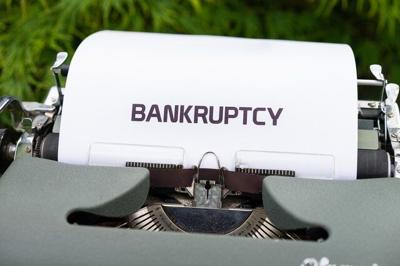

For many years, owning a home has been the “American Dream.” But for many people, it’s years before they have the money or the credit to own a home. And as you work your way to homeownership, “life happens,” meaning debt.
Student loan debt, credit cards, medical bills, and loan payments can hit you all at once, leaving you in financial turmoil. In many cases, people will take the “snowball” effect to pay off their debts, meaning they start paying their smallest debts and work their way to the larger deficits. But when your debt is too high for simple measures like snowballing or consolidation, that’s when it’s time to get serious help and consult with a bankruptcy attorney.
Bankruptcy has long since been a debt relief solution for many people, but when you own a home or are making mortgage payments on it, you can understand why homeowners have concerns about losing their home in bankruptcy. But like most valuable assets included in a bankruptcy, losing your home will all depend on your unique circumstances.
Let’s take a look at some of these circumstances that determine whether you will get to keep your home or if you’ll lose it.
What Happens to Your Home
When it comes to home mortgages or home equity loans, those are secured debts, meaning the lender (usually a bank) has ownership in the property. So as long as you’ve been making your monthly payments as initially agreed upon. Your home will be fine and yours to keep. However, if you haven’t been making your monthly payments, the lender has every right to foreclose your home.
Homeownership and a Chapter 7: Mortgage Payments are Current
With a chapter 7 bankruptcy, your debts are wiped away with no repayment plan in place. You’re able to keep your home with a bankruptcy exemption, meaning if your mortgage payments are current, you get to keep your home and make your regular monthly mortgage payments. This holds even after you’ve discharged your chapter 7.
Where it gets, a little hairy is when your home’s total value is more than the remaining balance of your mortgage.
Homeownership and a Chapter 7: Mortgage Payments are Behind
If you don’t want to keep the house, chapter 7 has a system where you surrender your home to the bank, making your obligation to repay the loan null and void.
If you want to keep the house but your mortgage payments are behind, filing chapter 7 isn’t going to be the best option for you as it doesn’t have a system to help you catch up on your mortgage payments. This means that it’s up to the bank on whether or not they’re willing to work with you and change your loan for you to keep the home. Ultimately, you’re at their mercy. Filing for chapter 13 would be a much better option in this situation.
Homeownership and Chapter 13: Mortgage Payments are Current
Just like in chapter 7, you will still get to keep your home, but your repayment plan will be in the range of three to five years; You’ll continue to make your monthly mortgage payments per usual.
Homeownership and Chapter 13: Mortgage Payments are Behind
Chapter 13 operates under a repayment plan anyway, making it the perfect option to catch up on any missed payments. Now, some stipulations are part of the chapter 13 repayment options.
However you set up your monthly payment amounts, you can take up to five years to make the payments. But, understand that your monthly income has to be enough to not only cover and catch you up on your missed payments but also has to be enough to cover your regular monthly payments after you’ve gotten caught up.
Consult With a Bankruptcy Attorney to Determine Your Best Option
Every situation varies, and while you may not know which filing is best for you, an experienced bankruptcy attorney will.
No one plans to get into debt at the expense of potentially losing their home. To be in a financial situation such as that can be devastating to any homeowner. But that’s when you turn to bankruptcy experts.
Based on whether you want to keep your house or not, they will be able to look at your unique situation and help you determine the best option for you.


(0) comments
We welcome your comments
Log In
Post a comment as Guest
Keep it Clean. Please avoid obscene, vulgar, lewd, racist or sexually-oriented language.
PLEASE TURN OFF YOUR CAPS LOCK.
Don't Threaten. Threats of harming another person will not be tolerated.
Be Truthful. Don't knowingly lie about anyone or anything.
Be Nice. No racism, sexism or any sort of -ism that is degrading to another person.
Be Proactive. Use the 'Report' link on each comment to let us know of abusive posts.
Share with Us. We'd love to hear eyewitness accounts, the history behind an article.