
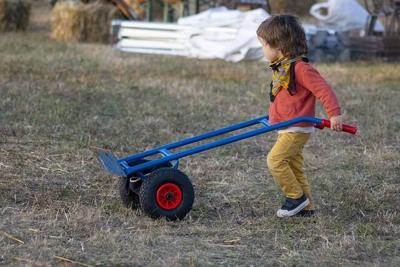

Did you grow up doing chores? How to get your kids involved without having to yell at them? We look at some tips and tricks that will make doing their assignments second nature to them.
You’re not only doing yourself a favor when you get kids to help around the house. Remember: they won’t always be kids. When they grow up, they’ll be better able to look after themselves properly, and with chores being something they a hundred percent accustomed to, it won’t seem like as much of an effort when they need to do a little housework. Throughout life, knowing what goes into a job will give them a greater appreciation for the people who do the work - even if they end up in the fortunate position of not having to do chores themselves.
Start Them, Young
Very young children might seem like more of a hindrance than a help when they do chores - but let them try. Little ones like to emulate the things their elders do, so their children play with them. Will they do an excellent job on the household hygiene front? Probably not, but never tell them so!
If you have to go over their work again, wait until they can’t see that you’re doing it. Include a demonstration in your instructions next time they do the task, and with luck, they won’t make the same mistakes. Yes, you may have to hide some of the harsher bathroom cleaning supplies and cleaning agents that might harm tender young skin, but you can give them milder alternatives.
The first chore they need to learn? Tidy up their rooms and pack toys away after play. Help them at first, but they insist on them doing it by themselves as they become more capable. Keep it positive! After they’ve completed a task, a kind word will help them keep positive associations that last a lifetime.
Keep Older Kids Keen
Giving kids rewards for doing chores they should have done anyway is controversial. Some experts argue that they shouldn’t grow up expecting tips for doing necessary basics. But instead of “paying” them to help, you can still link chores to allowances by using a demerit system. You’re going to assist them anyway, so reducing the amount they get if they don’t help around the house is subtly different from paying them to do their bit.
With this system, you’re saying that there’s less for those who don’t contribute - a valuable life lesson that can help stop them from feeling entitled to undeserved privileges later in life. Start with a total; have a daily and weekly chores list that you keep on display and that they mark off after completing each task. A missed job costs a set penalty. If they’re extra-helpful, you might decide to give a “bonus” as a thank you, but never make it an expectation.
Keep it Fun
Do you remember the song “A Spoonful of Sugar” from the Mary Poppins movie? It begins: “In every job that must be done, there is an element of fun. You find the fun, and snap! The job’s a game!” Looking for the fun in every task transforms duties into entertainment. Keep a positive attitude towards housework (even though that can be hard at times) and set the example.
Point out the fun aspects of doing housework - especially when your kids are small. Later, they’ll be more inclined to groan and roll their eyes, but you might still make an impression. Celebrate results too! Just a few words admiring good results will mean a lot to kids - and it will keep you feeling more positive also!
Make it a Routine
From the time they’re just babies, a routine is a must for kids. Doing things that are out of the ordinary or that don’t have a set schedule will always be more stringent than things that happen on a set, repetitive schedule. Set specific times of the day for doing chores and stick to it. If this is new to your kids, it’ll take them a few weeks to get settled into it, but once you’re over that hurdle, they’ll start doing chores on auto with less nagging and reminding needed to get them started.
Of course, kids need time to relax and enjoy unstructured play too. Let that be part of the daily routine, mealtimes, school and homework time, chores time, and bedtime. Sure, you may have to nag now and then, but once you have a steady routine, there’ll be fewer objections to it and, even when there are, your kids will already know they’re taking a chance and won’t win by turning it into a battle royale.
It’s a Win-Win
Teaching kids to expect chores as part of life and giving them positive associations related to work and its results is a win for them. Getting a little help around the house is a win for you. Even if you have daily support, reserve a few tasks for kids to do. It’s a win-win that teaches good values and will save you from many worries as you watch them grow into the responsible adults you always wanted them to be.
(0) comments
We welcome your comments
Log In
Post a comment as Guest
Keep it Clean. Please avoid obscene, vulgar, lewd, racist or sexually-oriented language.
PLEASE TURN OFF YOUR CAPS LOCK.
Don't Threaten. Threats of harming another person will not be tolerated.
Be Truthful. Don't knowingly lie about anyone or anything.
Be Nice. No racism, sexism or any sort of -ism that is degrading to another person.
Be Proactive. Use the 'Report' link on each comment to let us know of abusive posts.
Share with Us. We'd love to hear eyewitness accounts, the history behind an article.