
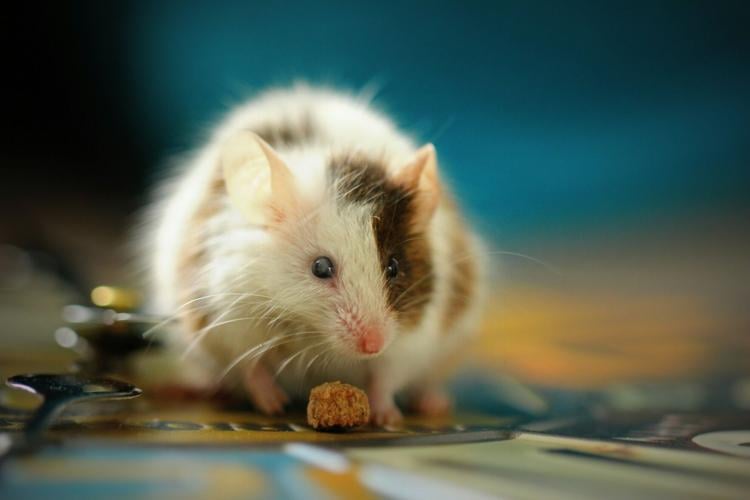
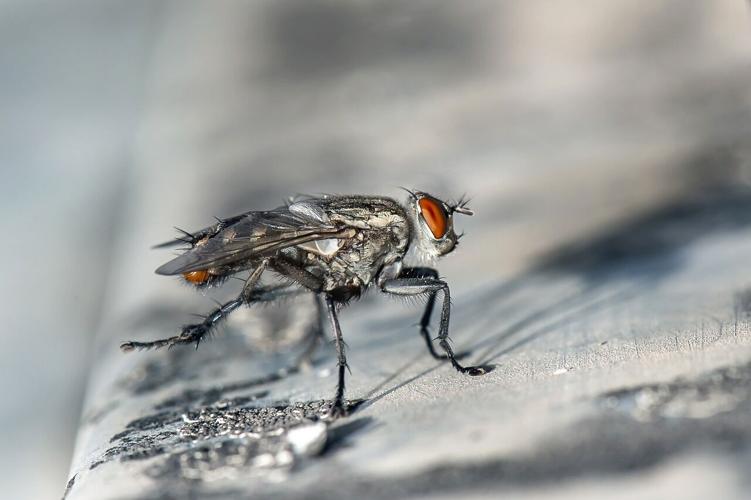
Pests in a photo studio can range from minor nuisances to significant disruptions, potentially damaging expensive equipment and adversely affecting your work environment. Whether it’s pesky insects drawn to the warmth of your lighting equipment or rodents causing havoc behind the scenes, addressing these issues swiftly and effectively is crucial. In this guide, we’ll explore six practical tips to help you maintain a pest-free studio, ensuring a clean, safe, and conducive space for creating your photographic masterpieces.

Professional Pest Control Services
Enlisting the help of professional pest control services can be a prudent decision, particularly if you’ve experienced recurring pest issues. These experts possess the knowledge and tools to effectively identify, treat, and prevent various types of pest infestations.
Preventative pest control measures can serve as a long-term investment in your studio’s well-being. Professional services can offer regular inspections and treatments, ensuring that your space remains pest-free and your equipment is protected from potential damage.
Educating yourself and your studio staff on signs of pest activity is also beneficial. Proactive monitoring by everyone who uses the space can lead to early detection and swift action, minimizing the impact and spread of pests within your studio. Collaboration with pest control professionals ensures your studio environment remains conducive to creativity and productivity. Whether you're looking for pest control in Saratoga, NY, or any other location, make sure to choose a reputable and experienced company for the best results. It's also a good idea to schedule regular maintenance visits to keep your studio pest-free.
Regular Cleaning and Maintenance
Maintaining cleanliness within your studio is the first step towards deterring pests. Regular cleaning routines prevent the accumulation of dust and debris that can attract pests. Ensure that you're vacuuming and wiping down surfaces frequently, particularly those areas that are less visible or harder to reach. Attention to detail in cleaning can make a significant difference in preventing pest intrusions.
Implementing a schedule for deeper cleaning tasks is also essential. This includes cleaning air vents, checking for any water leaks, and ensuring that trash is disposed of promptly and properly. Remember, pests are attracted to moisture and leftovers, so keeping your studio dry and clean is vital.
Maintenance checks on your equipment and studio infrastructure can help identify potential entry points for pests. Seal any cracks or holes in walls, especially where cables or plumbing enter the studio. Regular inspections and repairs form a critical defense line against pest invasions, safeguarding your equipment and workspace.
Storage Solutions
Proper storage of photography equipment and props can significantly reduce the risk of pest damage. Use sealed containers for small items and props that are not frequently used. Pests, particularly rodents and insects, are discouraged by airtight containers, as these eliminate access to potential nesting materials or food sources.
Consider elevated storage options for your equipment and materials. Shelves and racks keep items off the floor, reducing the risk of water damage from spills or flooding, which can attract pests. Additionally, organizing your storage space helps in quickly identifying any signs of pest activities such as droppings or damage to your items.
Implement a clutter-free policy in your studio. Regularly decluttering and reevaluating the necessity of items in your studio can decrease hiding spots for pests. A minimalistic approach not only deters pests but also creates a more focused and pleasant working environment.
Utilize Natural Repellents
Incorporating natural repellents into your studio can offer a safe and eco-friendly way to deter pests. Certain plants, like lavender, mint, and lemongrass, are known for their pest-repellent properties and can be placed around the studio to keep insects at bay. Additionally, essential oils derived from these plants can be used in diffusers to create a pest-resistant atmosphere without resorting to harsh chemicals. This method not only helps in keeping pests away but also enhances your studio's ambiance with pleasant natural fragrances.
Regularly assessing the effectiveness of these natural repellents is crucial. Over time, the potency of essential oils may diminish, or pests might become accustomed to the plants, reducing their deterrent effect. Therefore, it's important to rotate these natural solutions or combine them with other pest control measures to maintain their efficacy.
Implementing a holistic approach that includes natural repellents as one of the many strategies in your pest control arsenal ensures a multifaceted defense against pests. Combining these eco-friendly options with regular cleaning, professional services, and proper storage can create a robust system for keeping your studio pest-free, safeguarding your health, creativity, and investments in equipment.
Educate Your Team
Educating your team about the importance of preventing pest infestation is fundamental to maintaining a clean and safe studio. Host regular training sessions to inform your staff and anyone else using the space about best practices in pest prevention, such as proper food storage, waste disposal, and cleanliness standards. Ensuring everyone is knowledgeable about their role in maintaining a pest-free environment is critical.
Create a culture of responsibility by encouraging team members to report any signs of pest activities immediately. This prompt reporting can be the difference between an easily manageable situation and a full-blown infestation. Equip your team with the knowledge of what to look for, including droppings, nesting materials, and damage to property or equipment.
Developing a pest prevention checklist can be a helpful tool in educating your team. This checklist can be included in daily routines to ensure that the studio is consistently upholding measures that discourage pest presence. Regular updates to the checklist, based on new insights or recommendations from pest control professionals, will keep your team well-informed and proactive in maintaining a pest-free studio.
Regular Monitoring and Response Plan
Establish a regular monitoring system to detect early signs of pest activity. This could involve routine checks around the studio, particularly in areas prone to pests such as storage rooms, kitchenettes, and dark corners. Photographic documentation of these areas can help track potential pest problem areas over time and identify trends or recurring issues.
Develop a clear and concise response plan that can be activated as soon as pests are detected. This plan should outline the steps to be taken, including who to notify, how to safely isolate the affected area to prevent the spread of pests, and whom to contact for professional pest control services if necessary. Having this plan in place ensures that everyone in the studio knows how to act swiftly and effectively, minimizing disruption and damage.

Maintaining a pest-free photo studio requires proactive and vigilant efforts, from regular cleaning to utilizing professional services. By implementing these practical tips and fostering a culture of responsibility, your studio can remain a safe and conducive space for creating stunning photographs. Remember, prevention is key to keeping pests at bay, and with the right strategies in place, you can ensure that your creative environment remains free of unwanted guests.


(0) comments
We welcome your comments
Log In
Post a comment as Guest
Keep it Clean. Please avoid obscene, vulgar, lewd, racist or sexually-oriented language.
PLEASE TURN OFF YOUR CAPS LOCK.
Don't Threaten. Threats of harming another person will not be tolerated.
Be Truthful. Don't knowingly lie about anyone or anything.
Be Nice. No racism, sexism or any sort of -ism that is degrading to another person.
Be Proactive. Use the 'Report' link on each comment to let us know of abusive posts.
Share with Us. We'd love to hear eyewitness accounts, the history behind an article.