
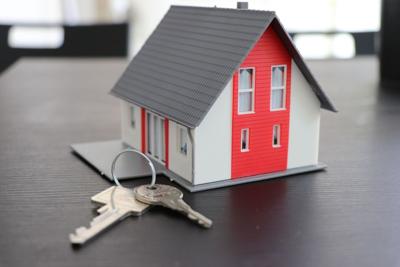

When most people think of improving home security they imagine alarm systems, smart door locks, and CCTV cameras.
But there's one aspect of security most people overlook:
Upgrading to a quality door.
Every other security measure you take is built around the humble front door. If that's compromised then intruders have easy access no matter what else you do.
The right door serves two purposes:
Keeps intruders out
Prevents heat escaping from your home each day
Home security AND energy efficiency. When it's working well, door quality is one of the most powerful home security upgrades you can make. The statistics prove it.
Let's break down why doors are so important, what makes a door secure, and how energy performance fits into the picture.
What You'll Learn:
Why Doors Are Considered the First Line of Defence
What Criteria Make a Door Secure?
The Effect Door Quality Has on Energy Efficiency
Which Material Offers the Best Door Combination?
Considerations Before You Buy a Door
Why Doors Are Considered the First Line of Defence
34% of burglaries happen through the front door, with another 22% gaining access via the back door. That's over half of all burglaries where the front or back door was the weakest link in the security chain.
Door quality should always be at the top of your mind if you're considering home security upgrades. Knowing what's available is always the first step towards identifying a solution that works.
Visit the Official Website to find doors that meet certified security standards to keep your home safer.
No security system can deter a burglar from entering through a flimsy door.
Your home is 300% more likely to be targeted by burglars if there's no form of visible security measure in place. They have many options when it comes to choosing their next target. Make yours the hard one.
What Criteria Make a Door Secure?
Price doesn't always equal quality. But there are a few tell-tale signs that a door has been designed with security in mind.
Multi-point locking capable of securing the door to the frame at multiple points, not just the centre
Solid door made from timber or composite materials that can't be easily breached
Reinforced door frame and hinges as this is where most doors are forced first
Anti-snap cylinder locks prevent thieves from using the most common method of breaking into doors
PAS 24 – The official standard for certified secure doors in the UK
Door security isn't about spending thousands on a barrier that looks like a vault door. Anyone can add decorative bars to a flimsy door that provides no real protection.
The door frame is just as important as the door itself. A strong door will have almost no effect if it's placed within a weak frame or badly fitted. Equally, any home security upgrade that focuses on doors should prioritise the frame and threshold too.
The Effect Door Quality Has on Energy Efficiency
Here's a stat that might surprise you…
If a door is old or poorly fitted, it's costing money.
Between 25-30% of heat loss in the average home occurs through windows and doors. That means a draughty door is likely adding to energy bills while doing nothing to keep the home safe.
In practical terms, a gap as small as ⅛ of an inch under a 36" door lets in just as much cold air as a 2.4" hole in your wall. Doors aren't decorations. They serve a purpose – and that's something most energy inefficient doors neglect.
How do quality doors fight back against poor energy performance?
Low U-Values restrict how much heat can be transferred through the door
Frames contain thermal breaks to prevent heat being lost through the edges
Multiple profile chambers create pockets of warm air, drastically reducing heat loss
Better door seals mean no more drafts along the sides and bottom of the door
Updating a door doesn't just improve security. It keeps homes warmer for less money.
Which Material Offers the Best Door Combination?
There's no one-size-fits-all solution for every home. But understanding the options can help choose the right door material for any property.
Composite doors are currently seen as best for offering security and energy efficiency. A timber core provides much of the solidity needed for security with the outer layer made from GRP (Glass Reinforced Plastic).
This means composite doors won't sag or warp over time. They're attractive, handle impacts well, and provide great thermal performance.
uPVC doors have always been popular for their energy efficiency. The insulated chambers within multi-chamber uPVC doors do a great job of preventing heat loss. They're now just as reliable for home security too when paired with quality multi-point locking systems.
Traditional timber doors offer natural insulation with a warm look that many people prefer. However, timber can be prone to shrinkage or warping over time. Once that starts to happen, it invites drafts and weakens security.
Steel and aluminium are both exceptionally secure and low maintenance. However, they are both conductive. When installed without thermal breaks, these doors can transfer outside cold directly through the door frame.
Considerations Before You Buy a Door
Bear in mind the entire door structure when buying. Poorly fitted frames and low-quality door thresholds can rapidly devalue the initial product being invested in.
Here are the main points to look for when considering door quality:
Does the door have PAS 24 accreditation, or Secured by Design certification?
What is the U-Value like and does it comply with building regulations?
Does the frame look as reinforced as the door panel?
Does the cost of the door include professional installation by certified installers?
Is any glazing used double or triple-glazed security rated glass?
Door and window energy ratings from the British Fenestration Rating Council (BFRC) make comparing like-for-like doors straightforward. Take some time to check this before making a decision.
Why Does It All Matter?
Improving home security should always be a long-term consideration. Going cheap might save money now but costs more in the long run.
A quality door provides numerous benefits. It thwarts the most common method of burglar entry. Stops heat escaping from the home each day, and does both without monthly fees or maintenance.
Make the next home security upgrade the front door. It's a decision worth making.
(0) comments
We welcome your comments
Log In
Post a comment as Guest
Keep it Clean. Please avoid obscene, vulgar, lewd, racist or sexually-oriented language.
PLEASE TURN OFF YOUR CAPS LOCK.
Don't Threaten. Threats of harming another person will not be tolerated.
Be Truthful. Don't knowingly lie about anyone or anything.
Be Nice. No racism, sexism or any sort of -ism that is degrading to another person.
Be Proactive. Use the 'Report' link on each comment to let us know of abusive posts.
Share with Us. We'd love to hear eyewitness accounts, the history behind an article.