
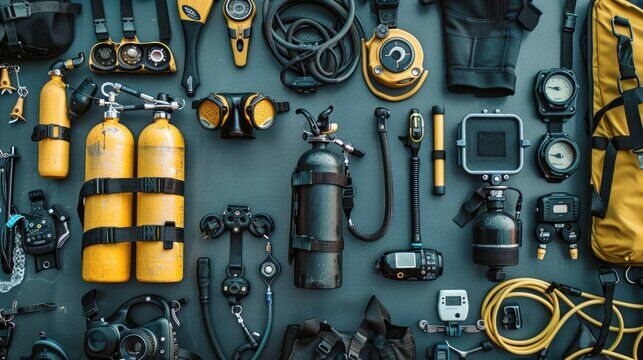
Diving into the deep blue ocean is an exhilarating experience. The thrill of exploring underwater worlds, encountering marine life, and feeling weightless in the water is unmatched. However, behind the scenes of every successful dive is a critical element that often goes unnoticed: the scuba equipment. This gear is the lifeline for every diver, and maintaining it is crucial for both safety and performance. Whether you are an experienced diver or just starting, understanding the importance of regular servicing and knowing when to update your gear can make all the difference.
The Importance of Regular Scuba Gear Maintenance
Scuba gear is subjected to harsh conditions every time it is used. Saltwater, sand, pressure changes, and the wear and tear of frequent use can take a toll on even the highest-quality equipment. Regular maintenance is essential to ensure that your gear remains in top condition and functions properly during every dive.
One of the most critical components of scuba gear is the regulator, which controls the flow of air from the tank to the diver. Over time, regulators can become clogged with salt deposits, sand, and other debris. This can lead to reduced airflow or even complete failure, putting the diver at risk. Regular servicing by a qualified technician ensures that the regulator is clean, properly lubricated, and functioning correctly.
The buoyancy control device (BCD) is another piece of equipment that requires regular attention. The BCD allows divers to control their buoyancy underwater, which is crucial for maintaining stability and avoiding rapid ascents or descents. Over time, the bladder in the BCD can develop leaks, and the inflator mechanisms can become stuck or malfunction. Regular inspections and servicing can prevent these issues, ensuring that the BCD performs as expected.
The Lifespan of Scuba Equipment
While regular maintenance can extend the life of scuba equipment, there comes a point when gear needs to be replaced. Knowing when to retire old gear and invest in new equipment is vital for both safety and comfort.
Wetsuits, for example, are designed to provide thermal protection by trapping a layer of water between the suit and the diver’s skin. Over time, the neoprene material used in wetsuits can lose its elasticity, leading to a less effective fit and reduced insulation. If you notice that your wetsuit feels loose or is no longer keeping you warm, it may be time to invest in a new one.
Similarly, fins can wear out after years of use. The rubber or plastic materials used in fins can become brittle, leading to cracks or breaks. Worn-out fins can reduce your propulsion in the water, making it more difficult to swim efficiently. Inspect your fins regularly for signs of wear, and consider replacing them if they are no longer providing the performance you need.
Updating Scuba Gear for the Latest Technology
Scuba technology is constantly evolving, with manufacturers introducing new and improved gear that enhances the diving experience. While your current equipment may still be functional, upgrading to the latest technology can offer several benefits.
For instance, dive computers have come a long way in recent years. Modern dive computers are more compact, user-friendly, and feature-rich than ever before. They offer advanced features such as air integration, which allows you to monitor your tank pressure directly from the computer, and Bluetooth connectivity for easy data transfer to your smartphone or tablet. If you are still using an older dive computer, upgrading to a newer model can provide you with more accurate dive data and a more streamlined experience.
Another area where technology has advanced is in underwater photography equipment. Cameras and housings are now more durable, compact, and capable of capturing stunning high-definition images and videos. If underwater photography is your passion, investing in the latest gear can significantly enhance your ability to capture the beauty of the underwater world.
Finding the Right Balance Between Maintenance and Replacement
Deciding when to maintain, repair, or replace your scuba gear can be challenging. The key is to find the right balance that ensures your equipment is safe and reliable without unnecessary expenses.
Regularly scheduled maintenance by a professional is essential, but you should also conduct your own inspections before and after each dive. Look for signs of wear and tear, such as cracks, leaks, or corrosion. Pay attention to how your gear feels and performs during dives. If something does not seem right, it is better to err on the side of caution and have it checked out by a technician.
When it comes to replacing equipment, consider how often you dive and the conditions in which you use your gear. Frequent divers who explore challenging environments may need to replace their gear more often than those who dive occasionally in calm waters. Additionally, if your gear is several years old and newer, more advanced models are available, it may be worth upgrading to take advantage of the latest innovations.
Investing in Your Safety and Enjoyment
Ultimately, the investment in maintaining and updating your scuba gear is an investment in your safety and enjoyment. Diving is an incredible experience, but it comes with inherent risks. By ensuring that your equipment is in top condition, you can focus on the adventure and the beauty of the underwater world without worrying about gear malfunctions.
Whether you are planning a once-in-a-lifetime dive trip or simply enjoying local dive spots, make sure that your scuba gear is ready to perform at its best. Regular servicing, timely replacements, and staying informed about the latest technology will help you make the most of your diving experiences. After all, when you are 100 feet below the surface, you want to trust that your gear will support you every step of the way.
Here are some other articles related to your search:

(0) comments
We welcome your comments
Log In
Post a comment as Guest
Keep it Clean. Please avoid obscene, vulgar, lewd, racist or sexually-oriented language.
PLEASE TURN OFF YOUR CAPS LOCK.
Don't Threaten. Threats of harming another person will not be tolerated.
Be Truthful. Don't knowingly lie about anyone or anything.
Be Nice. No racism, sexism or any sort of -ism that is degrading to another person.
Be Proactive. Use the 'Report' link on each comment to let us know of abusive posts.
Share with Us. We'd love to hear eyewitness accounts, the history behind an article.