
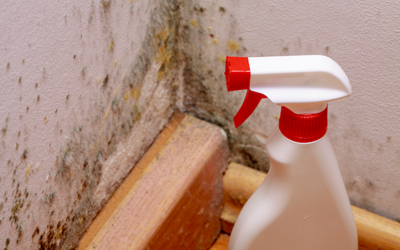
With the start of a new year and more information widely available, many people set their sights on becoming the healthiest version of themselves by employing new exercise routines, healthy eating habits, and even skin care processes. But despite the most regimented approaches to a healthier lifestyle, it’s not uncommon for some people to find themselves afflicted by recurring illness that they cannot seem to solve with nutrients, medicine, or self-care. If you or a loved one have been struggling with a similar feeling, it may be time to look to your house for the answer to your challenges.
One of the most common triggers for a range of health symptoms including respiratory illness, allergies, headaches, and other persistent conditions is mold. Mold is a common invader of indoor spaces, and if not treated properly with expert mold removal services and water damage restoration in Toronto infestations can brew causing serious health implications.

How a Can Mold Infestation Impact Your Health
Mold infestation in your living spaces can have far-reaching consequences on your health, often more significant than one might realize. Understanding these potential health impacts is crucial for taking proactive measures. Here are some ways in which mold can affect your well-being:
Respiratory Issues: Mold spores, when inhaled, can irritate the respiratory system, leading to symptoms such as coughing, wheezing, and throat irritation. Individuals with asthma or respiratory conditions may experience exacerbation of their symptoms.
Allergies: Mold is a common allergen, and prolonged exposure can trigger allergic reactions. Sneezing, nasal congestion, itchy eyes, and skin rashes are common manifestations of mold-related allergies. If you’ve been experiencing persistent cold or allergy symptoms but normal allergy treatments are not creating a lasting solution, then you likely need mold removal services.
Sinus Infections: Mold exposure has been linked to an increased risk of sinus infections. The presence of mold in indoor environments can contribute to chronic sinusitis or worsen existing sinus conditions.
Fatigue and Headaches: Mold toxins, known as mycotoxins, can lead to fatigue, headaches, and difficulty concentrating. Prolonged exposure may contribute to persistent fatigue and other cognitive issues.
Skin Irritation: Mold spores and mycotoxins can irritate the skin, leading to rashes, redness, bumps, and itching. Individuals with sensitive skin may experience heightened reactions.
Exacerbation of Existing Health Conditions: For individuals with compromised immune systems or pre-existing health conditions, mold exposure can worsen their overall health. It can complicate existing conditions and hinder the body's ability to fight off other infections. Early detection and expert mold removal in Toronto can make all the difference.
Mental Health Impact: There is growing evidence linking mold exposure to mental health issues. Prolonged exposure may contribute to anxiety, depression, and other mental health concerns, affecting the overall well-being of occupants who encounter mold on a regular basis.
Understanding the potential health risks associated with mold infestation underscores the importance of prompt detection and professional removal to create a safe living environment.
How Does Mold Get Into Your Home
Mold spores exist as part of the natural environment. Entering from open windows, doors, and even vents, mold spores will typically leave an indoor space with the same ease in which they entered. However, when there are problems like water damage or blocked ventilation, spores will become trapped and rapidly reproduce into larger scale outbreaks especially when exposed to moisture, humidity, and organic materials.
While these spores that occupy the air cannot be eliminated for good, it’s important to remove any growing infestations that start to occupy surfaces in your home. These outbreaks release harmful mycotoxins which trigger the negative effects of mold.
Understanding the Relationship Between Water Damage and Mold
Water damage serves as the welcome mat for mold, creating the ideal breeding ground for its growth. Whether it's a leaky roof, plumbing issues, or flooding, excess moisture fuels mold spores, allowing them to thrive and multiply. If you notice any of these issues, it’s imperative that you schedule flooded basement cleanup or water damage restoration in Toronto immediately.
When water damage occurs, it's not merely about addressing the visible signs; it's about eliminating the underlying conditions that mold finds conducive. Delaying water damage cleanup or opting for quick fixes without addressing the root cause only perpetuates an environment where mold can flourish. Therefore, vigilant maintenance and swift response to water-related issues are crucial preventive measures.
Where You May Find Mold On Your Property
Mold is capable of thriving in various environments within your home. Understanding common hiding spots is crucial for early detection. To protect your property and yourself from the impact of mold, here’s where you should keep an eye out:
Bathrooms: The humid conditions in bathrooms create an ideal breeding ground for mold. Check shower curtains, tiles, and corners regularly.
Basements: Damp and dark, basements are prone to mold growth. Inspect corners, behind furniture, and near windows for signs.
Attics: Leaky roofs or poor ventilation can lead to mold in attics. Inspect insulation, rafters, and roof sheathing.
Kitchens: Any area prone to water spills or leaks, such as under sinks and around dishwashers, can be susceptible to mold.
Crawl Spaces: Poorly ventilated crawl spaces are hotspots for mold. Regular inspections are vital in these areas.
HVAC Systems: Mold spores can travel through air ducts, contaminating your entire home. Regular HVAC maintenance is essential.
Tips for Keeping Mold Out of Your Home
Maintaining a mold-free environment in your home involves adopting proactive measures to prevent its growth.
Because mold spores can get trapped in rooms with insufficient or blocked ventilation, an effective strategy is to install new and sufficient vents in areas prone to moisture buildup, such as bathrooms, kitchens, and basements. Adequate ventilation helps in reducing humidity levels and discourages mold growth. After showering, running the exhaust fan or opening a window allows moisture to dissipate in bathrooms, an essential step in preventing dampness that could lead to mold.
Another preventive measure is the installation of a sump pump, particularly if your home is susceptible to basement flooding. A sump pump is designed to minimize water damage, thereby reducing the risk of mold growth in areas prone to flooding.
If you notice repeat infestations ,monitoring indoor humidity levels is crucial. By maintaining levels below 60% helps inhibit the conditions favorable for mold development. Consider using a dehumidifier in damp areas like basements to control moisture effectively.
Addressing water leaks promptly is fundamental to mold prevention. Whether it's a leaking roof, plumbing issue, or seepage, swift repairs prevent prolonged exposure to moisture that encourages mold growth. When renovating or upgrading your home, opting for mold-resistant materials in moisture-prone areas like bathrooms and kitchens provides an additional layer of protection against mold.
Incorporating these tips into your home maintenance routine establishes an environment less conducive to mold growth, fostering a healthier and more comfortable living space for you and your family.
The Benefits of Professional Mold Removal & Water Damage Restoration
If your home is sick, you might be too. If you want to start breathing better and feeling healthier, prioritizing professional remediation and restoration is key. Addressing water damage with leak and flood cleanup in a timely manner is an effective way to ensure your indoor living space is not appealing to mold spores. By investing in mold removal services such as ONEighty Solutions, you can protect yourself and your family, prevent building materials from becoming damaged, and improve your well-being.
(0) comments
We welcome your comments
Log In
Post a comment as Guest
Keep it Clean. Please avoid obscene, vulgar, lewd, racist or sexually-oriented language.
PLEASE TURN OFF YOUR CAPS LOCK.
Don't Threaten. Threats of harming another person will not be tolerated.
Be Truthful. Don't knowingly lie about anyone or anything.
Be Nice. No racism, sexism or any sort of -ism that is degrading to another person.
Be Proactive. Use the 'Report' link on each comment to let us know of abusive posts.
Share with Us. We'd love to hear eyewitness accounts, the history behind an article.