
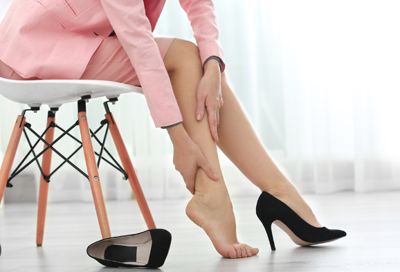

You probably sit more than you think if you work at a desk. Eight hours in a chair, a commute on either end, and an evening on the couch add up quickly. A lot of people think about how sitting affects their back or energy level, but very few think about how it affects the veins in their legs.
Muscle movement is what pushes blood back toward your heart through the veins in your legs. When you sit still for a long time, blood starts to pool in your lower legs. This puts pressure on the walls of your veins and weakens the valves that keep blood flowing in the right direction. Metro Vein Centers sees this pattern a lot, and they help patients who didn't know that their daily routine was making their vein problems worse. Understanding how sitting affects your legs is the first step to preventing long-term injury.
How Prolonged Sitting Damages Leg Veins
The damage doesn't happen right away, but the longer your legs stay still during the day, the harder your veins have to work. This is what really happens below the surface.
Blood Pooling and Valve Damage
Your calf muscles pump blood through your veins. When you walk or bend your legs, those muscles squeeze the veins and push blood up. That pump stops working when you sit for a long time. Blood pools in the lower legs, pressure builds up, and the small valves in the veins start to wear out. When those valves get weaker, blood flows back and pools. That's when veins are twisted and bulging start to form.
Swelling and Discomfort
You might notice that your legs feel heavy, tight, or swollen by the end of the day, even before you can see varicose veins. When blood flow slows down, fluid builds up, which is why this happens. A lot of people think this is just tiredness, but it's actually an early sign that the veins in your legs are under stress.
The Risk of Chronic Venous Insufficiency
If you don't do anything about vein damage from sitting for months or years, it can turn into chronic venous insufficiency, which means the veins can't send blood back to the heart as well as they should. The Centers for Disease Control and Prevention says that sitting for long periods of time is linked to cardiovascular and metabolic health risks that go beyond just being uncomfortable. The main goal should be to spot the pattern early.
What Helps Protect Your Leg Veins
The good news is that you can avoid most of these problems by making small, regular changes to your routine.
Move Every 30 to 60 Minutes
Taking breaks from sitting for long periods of time is the best thing you can do. Every half hour, set a reminder to stand up and walk for two to three minutes. You can get your calf muscles working and blood flowing by just walking around the office. If you can't get up from your desk, you can still stretch your ankles and pump your calves while sitting.
Wear Compression Stockings
Medical-grade compression stockings put steady pressure on the legs, which helps blood flow better. They are very helpful for people who spend most of the day sitting or standing.
Elevate Your Legs
After a long day, putting your legs above your heart for 15 to 20 minutes helps get rid of blood that has pooled and reduces swelling. If your legs feel heavy by the end of the day, this simple habit can help.
Stay Active and Hydrated
Exercise on a regular basis makes the muscles that support your veins stronger and helps blood flow better. Walking, swimming, and biking are all great options. Staying hydrated is also helpful because it keeps your blood from thickening, which makes it easier for your veins to do their job.
Watch Your Posture
When you sit with your legs crossed, blood flow to your lower body is limited. Put both legs flat on the floor or use a footrest to help blood flow.
When to See a Specialist
If you notice changes in the veins in your legs, feel heaviness all the time, or see swelling that doesn't go away overnight, those are signs that you should pay attention to. A vein specialist can use a quick ultrasound to check your circulation and see if you need treatment, or you can just make some changes to your lifestyle for now.
(0) comments
We welcome your comments
Log In
Post a comment as Guest
Keep it Clean. Please avoid obscene, vulgar, lewd, racist or sexually-oriented language.
PLEASE TURN OFF YOUR CAPS LOCK.
Don't Threaten. Threats of harming another person will not be tolerated.
Be Truthful. Don't knowingly lie about anyone or anything.
Be Nice. No racism, sexism or any sort of -ism that is degrading to another person.
Be Proactive. Use the 'Report' link on each comment to let us know of abusive posts.
Share with Us. We'd love to hear eyewitness accounts, the history behind an article.