

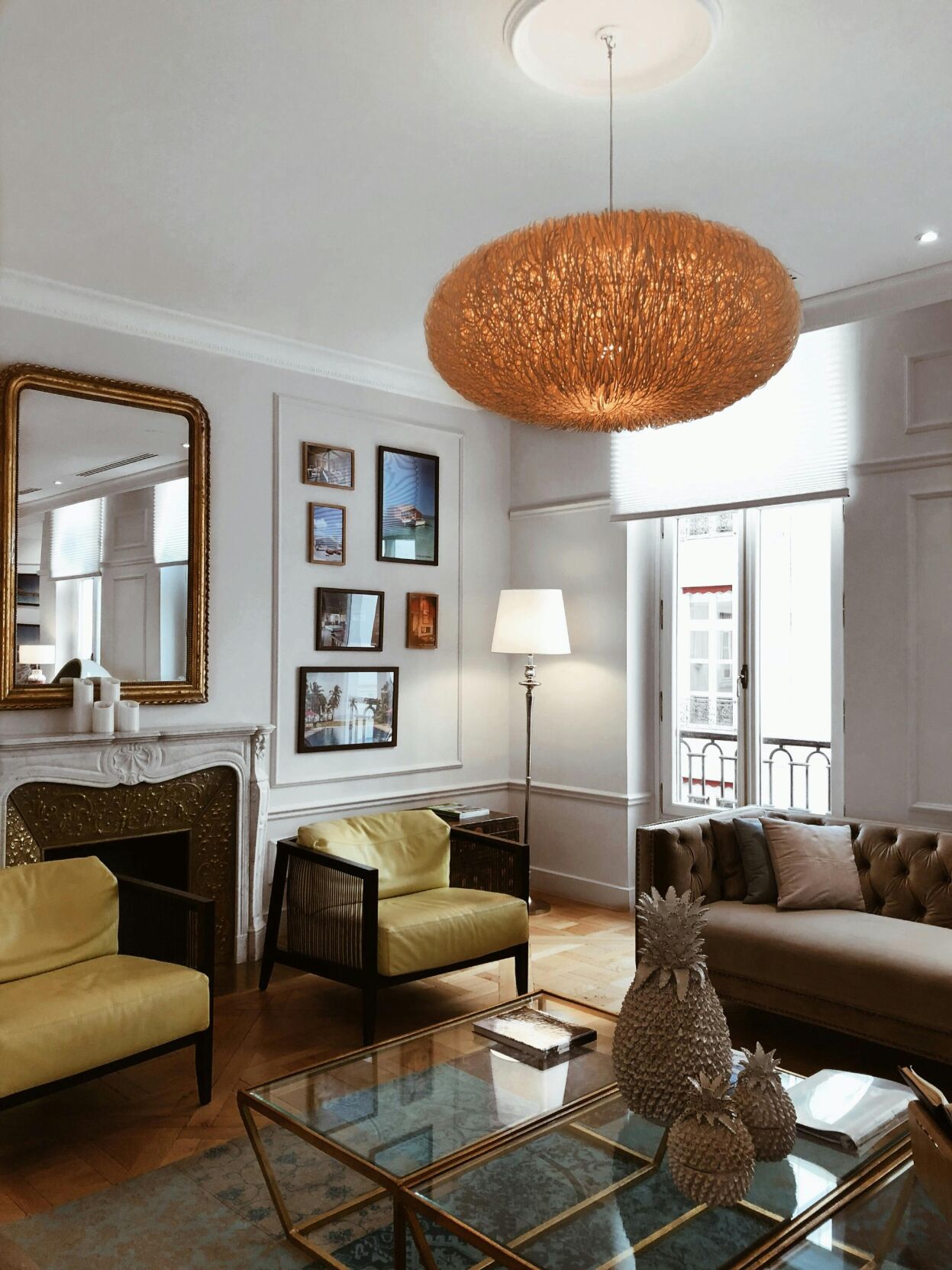
European interiors have a way of looking as though they’ve simply evolved over time. Nothing feels rushed or forced. Instead, rooms look collected in the best sense that seem more like open, gentle, and quietly confident. There’s an ease to the way everything sits together. Rather than chasing big, dramatic gestures, the style leans into clarity and comfort. When this approach finds its way into a modern home, the result is a space that feels balanced and lived in, not showroom-polished or weighed down.
Embracing a Brighter, Airier Outlook
Light plays a major role in making European homes feel so inviting. Many interiors rely on daylight to do half the design work. When sunlight spills across pale walls, it softens the entire room. Neutral fabrics and simple silhouettes keep things calm, letting the natural brightness stand out.
Small changes can make a surprisingly big difference. Slimmer window frames open up sightlines. Sheer curtains that fall loosely to the floor give a room a lighter breath. A number of recent UK design reviews have pointed to a growing interest in minimal glazing because it brings older homes up to date while improving insulation. The Energy Saving Trust has also noted that better glazing doesn’t just look cleaner, it keeps rooms warmer and reduces energy loss, something more households are paying attention to as temperatures and bills fluctuate throughout the year.
Textures That Bring Continental Warmth Home
Texture is one of the quiet secrets behind European interiors. It creates a feeling or mood that is difficult to define yet immediately visible. To add warmth without clutter, Scandinavian-inspired interiors frequently use soft materials such as wool, boucle, or cotton knits. French interiors blend linen, pottery, brushed metal, and unfinished wood in a style that seems both refined, welcoming and effortless. Homes in Mediterranean locations rely primarily on natural materials such as clay, terracotta, and woven fibres, which convey a sense of warmth and antiquity.
These textures work because they have been layered instead of matched. A matte vase next to a linen blanket, or a smooth wood table combined with a textured chair, gives dimension without dominating the space.
Functionality with Clean, Confident Lines
One thing European interiors avoid is unnecessary fuss. Most furniture pieces feel familiar and comfortable, often with rounded shapes or softened angles. Designs tend to be practical without losing charm. Storage is tucked away discreetly, so rooms stay tidy even during busy days.
The colour palette supports that mind-set. Soft greys, warm whites, muted beige, and the occasional deep accent help everything settle into a calm rhythm. These tones make it easier for older pieces, modern lighting or a standout decor item to blend together without competing. The style leaves room for change; pieces can be added or swapped without disrupting the overall flow.
Design That Combines Efficiency and Style

More households are now considering how their homes function, not just how they look. Insulation, window performance, and long-lasting materials are topics that come up frequently in house design discussions. Windows and doors, in particular, have gained attention because they affect comfort, energy consumption, and overall aesthetics.
This is why some homeowners choose minimalist frame designs from UK manufacturers, such as those associated with UPVC windows Droitwich, which combine strong insulation with modern looks. These styles integrate well with current-day and older homes, making them an excellent choice for interiors influenced by European simplicity.
Thoughtful Details That Carry Continental Charm
Part of what makes European interiors so appealing is their sense of restraint. Rather than decorating for the sake of filling space, a few thoughtful pieces create the mood. A textured throw left casually on a chair, stoneware grouped on a shelf, or a sculptural pendant can shift the atmosphere without much effort. Plants, for example, olive trees, tall grasses or simple leafy greenery soften the straight lines of furniture and add movement.
The approach isn’t hurried. Items are added slowly while they are chosen because they bring a little meaning, character and warmth to any home.
A Timeless Approach to Modern Living
Because European-inspired style is not dependent on any one trend, it continues to be popular. It is based on a balance of bright spaces, organic textures, straight lines, and a feeling of comfort that doesn't call for overpowering style. Any home may adopt this approach with a few deliberate decisions, such as using materials that feel genuine, furniture that has a purpose, and layouts that encourage natural light.
The mood that follows is structured and beautiful while also peaceful. Daily life may settle in without overloading the senses thanks to the rooms' air of openness, relaxation, and subtle perfection.
(0) comments
We welcome your comments
Log In
Post a comment as Guest
Keep it Clean. Please avoid obscene, vulgar, lewd, racist or sexually-oriented language.
PLEASE TURN OFF YOUR CAPS LOCK.
Don't Threaten. Threats of harming another person will not be tolerated.
Be Truthful. Don't knowingly lie about anyone or anything.
Be Nice. No racism, sexism or any sort of -ism that is degrading to another person.
Be Proactive. Use the 'Report' link on each comment to let us know of abusive posts.
Share with Us. We'd love to hear eyewitness accounts, the history behind an article.