
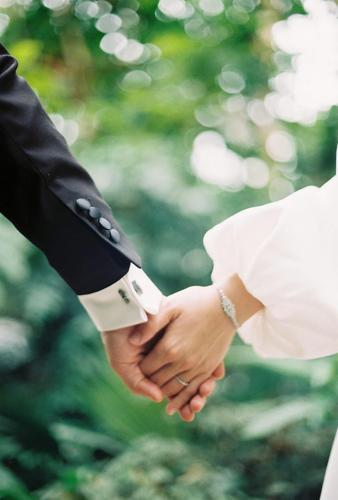

Weddings today are rarely built around a single look or theme. They tend to come together slowly, shaped by everyday influences rather than trend forecasts. Design preferences, fashion habits, and lifestyle choices all play a part. Much like planning a home, the process is often about refining ideas instead of collecting them. What remains is intentional rather than decorative.
The same thinking that guides how living spaces are planned, for example, attention to scale, texture, material quality, and how rooms connect, has started to influence how weddings are designed. Increasingly, celebrations feel less like a one-day process and more like extensions of how couples already live and host.
The Shift Toward Design-Led Weddings
Across the UK, weddings have been moving away from flashy displays and over-the-top celebrations for some time. Size still matters, but it no longer defines the experience. Coverage from Vogue UK has noted a clear shift towards atmosphere, with couples choosing venues that bring their own character rather than relying on elaborate decoration.
Historic houses, modern rural spaces, and carefully restored buildings continue to draw interest. These venues offer proportion, texture, and architectural detail from the outset. As a result, planning becomes less about layering and more about restraint. The focus shifts to editing, which means deciding what details enhance the space and what distract from it.
This mindset affects how the entire day is structured. Lighting is planned to work with existing features. Table layouts are adjusted to suit the room rather than following a template. Even timing is considered, allowing spaces to evolve naturally as daylight changes and guests move through them.
Fashion as Part of the Visual Language
Fashion now sits comfortably within this wider design framework. Instead of demanding attention, clothing choices tend to respond to their surroundings.
Softer tailoring, lighter fabrics, and subtle finishes have become more common, particularly in venues with strong character. These preferences reflect wider shifts in British fashion, where craftsmanship and durability have regained importance. The British Fashion Council has consistently highlighted this move towards considered design, and its influence is visible in modern wedding attire.
Details matter here. Shoes are chosen with movement and long hours in mind. Jewellery often has meaning beyond appearance. Together, these choices create a look that feels settled and natural, rather than carefully staged.
Décor Inspired by Modern-day Living
Wedding décor increasingly reflects the interiors people choose for their homes. Neutral colours, layered textiles, natural materials, and pared-back florals appear far more often than bold contrasts or heavily themed styling.
These elements help create spaces that feel comfortable rather than formal. Guests respond to this almost immediately. Rooms that resemble thoughtfully designed interiors encourage people to relax and stay. Venues that blend historic features with modern updates remain popular for exactly this reason.
This approach aligns with guidance long supported by Historic England, which encourages preserving original character while allowing buildings to function in modern-day ways. Applied to weddings, the same principle supports a design that works with a setting rather than competing with it.
Personal Style at the Centre
One of the clearest changes in modern weddings is the focus on authenticity. Decisions are less about expectation and more about what feels appropriate.
This can be seen in simple choices, for example, menus shaped by genuine preference, colour palettes kept intentionally limited, and materials sourced locally where possible. Clothing follows the same logic. Attire is often selected with season, setting, and comfort in mind, rather than tradition alone.
Talking about attire, bridal dresses now becomes a part of how clothing contributes to the overall atmosphere without becoming the focal point. When chosen carefully, clothing supports the space and the day itself, rather than drawing attention away from it.
Cohesion Over Convention
What ultimately defines a modern wedding is cohesion. Each decision supports the next, creating continuity rather than contrast.
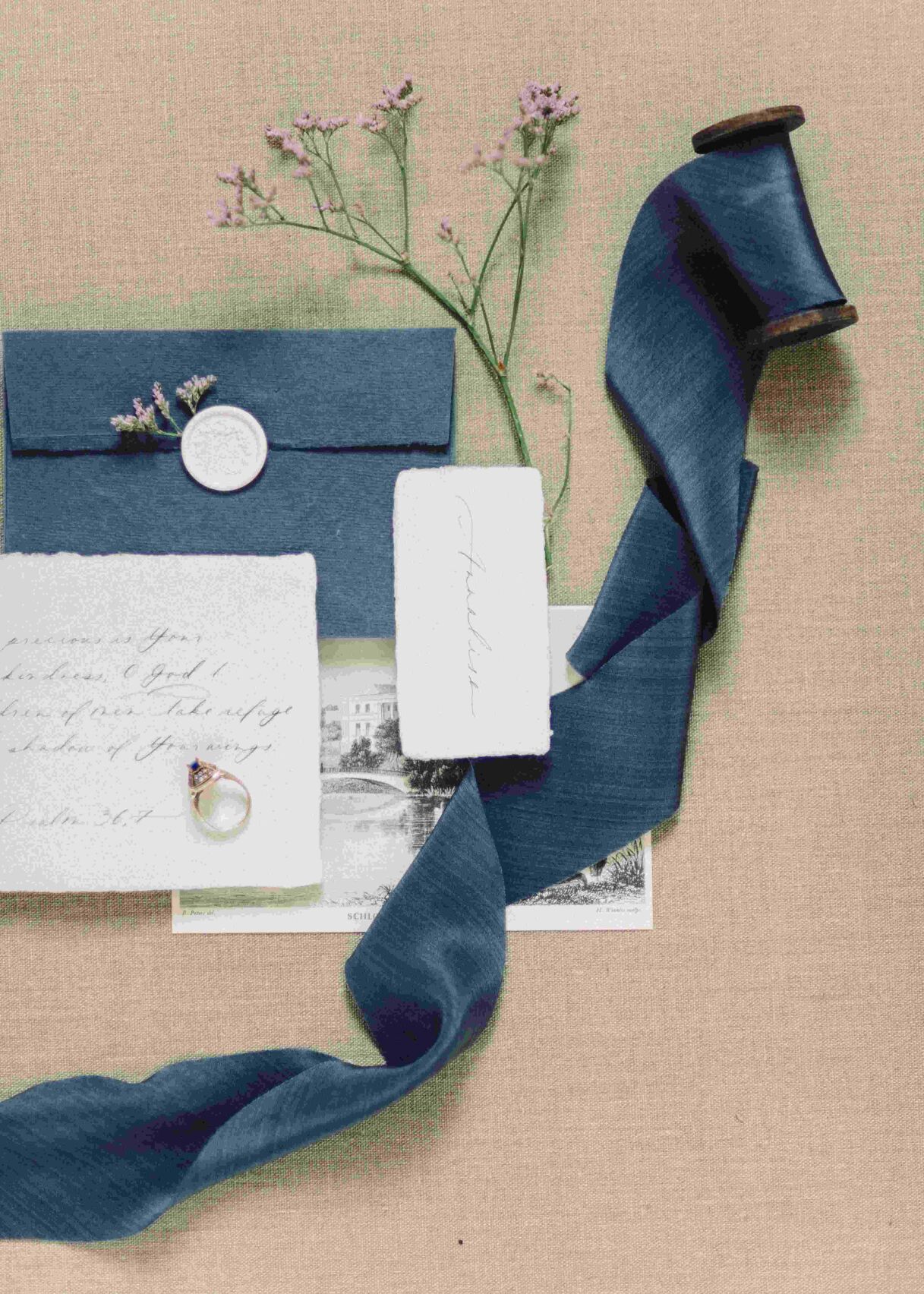
This is a familiar principle in residential design. A well-designed home rarely relies on one statement feature. It succeeds through consistency of tone, material, and proportion. Weddings increasingly follow the same logic. Individual details may go unnoticed, but together they shape how the day feels.
A Reflection of Modern Living
Modern weddings reflect the way people live now. They favour quality over quantity, intention over excess, and meaning over rigid tradition.
Fashion, décor, and setting are no longer treated as separate elements. Together, they form a considered whole. In many ways, today’s weddings mirror modern living that can be termed as quietly refined, carefully planned, and shaped by an appreciation for spaces and experiences that feel genuinely lived in.
(0) comments
We welcome your comments
Log In
Post a comment as Guest
Keep it Clean. Please avoid obscene, vulgar, lewd, racist or sexually-oriented language.
PLEASE TURN OFF YOUR CAPS LOCK.
Don't Threaten. Threats of harming another person will not be tolerated.
Be Truthful. Don't knowingly lie about anyone or anything.
Be Nice. No racism, sexism or any sort of -ism that is degrading to another person.
Be Proactive. Use the 'Report' link on each comment to let us know of abusive posts.
Share with Us. We'd love to hear eyewitness accounts, the history behind an article.