
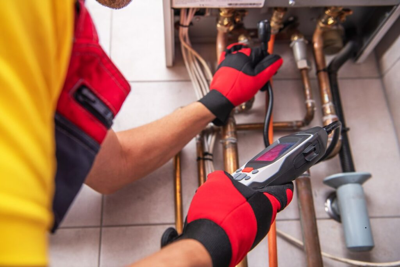

Plumbing problems rarely happen at a convenient time. A burst pipe, a hidden leak, or a failing water heater can disrupt your daily routine and lead to unexpected expenses. Many homeowners only call a plumber when something breaks, but waiting for a problem to appear often costs far more than preventing it.
Regular plumbing maintenance is one of the smartest investments homeowners can make. Preventative inspections protect your property, improve system efficiency, and reduce the risk of expensive emergency repairs.
According to the EPA WaterSense program, household leaks waste nearly one trillion gallons of water every year in the United States. Routine inspections can detect leaks early and prevent serious damage. In this article, we will explain how preventative plumbing care saves money and why working with experienced professionals, like Brimer Plumbing can make all the difference.
The True Cost of Plumbing Emergencies
Most major plumbing failures begin as small, unnoticed issues. A minor pipe leak behind a wall may appear harmless at first, but over time it can cause significant damage including:
- Water damage to drywall and flooring
- Mold growth
- Structural weakening
- Higher utility bills
Emergency plumbing services are also more expensive. After-hours repairs, water damage restoration, and emergency service calls can quickly add up to thousands of dollars.
Lower Water Bills Through Better Efficiency
Hidden leaks waste a surprising amount of water. Even a slow dripping faucet can waste thousands of gallons of water each year. Routine inspections can identify common issues such as:
- Running toilets
- Dripping faucets
- Worn-out seals and valves
- Underground line leaks
- Inefficient fixtures
If you notice a persistent drip or small leak, learning how to fix a leaky faucet and prevent bigger plumbing problems can help reduce water waste and lower monthly utility bills.
Extending the Life of Your Plumbing System
Your plumbing system includes pipes, valves, drains, and water heaters that work together every day. Without maintenance, normal wear and tear can shorten the lifespan of these components.
Preventative maintenance may include:
- Flushing sediment from water heaters
- Inspecting pipes for corrosion
- Checking water pressure levels
- Cleaning drains to prevent blockages
Sediment buildup inside a water heater, for example, forces the unit to work harder and reduces efficiency. A simple annual flush can significantly extend the life of the system.
Preventing Costly Drain and Sewer Problems
Recurring drain clogs often signal deeper issues within the sewer system. Tree roots, grease buildup, and pipe misalignment can eventually lead to major repairs.
Routine drain inspections help:
- Prevent sewer backups
- Identify root intrusion early
- Reduce foul odors
- Protect your home’s foundation
If you suspect a hidden leak, it may be time to learn when to call a plumber for leak detection in your home before the issue becomes more serious.
Protecting Your Home from Water Damage
Water damage is one of the most expensive home repairs homeowners face. Routine plumbing inspections often include checking:
- Appliance connections
- Supply lines
- Shut-off valves
- Outdoor hose bibs
- Basement plumbing
Many homeowners do not realize that flexible supply lines connected to washing machines and sinks can weaken over time. Replacing them before failure is inexpensive compared to repairing flood damage.
Improving Water Quality
Over time, pipes may accumulate mineral buildup, rust, or debris. These contaminants can affect the taste and clarity of your water.
Routine maintenance services may include pipe inspections, filtration system checks, and water pressure testing to ensure your plumbing system continues operating efficiently.
Increasing Property Value
A well-maintained plumbing system is a valuable asset when selling a home. Buyers often request plumbing inspections during the closing process. Evidence of routine maintenance demonstrates responsible ownership and reduces the likelihood of costly repair negotiations.
Signs You Should Schedule Plumbing Maintenance
Even if everything appears normal, consider scheduling a plumbing inspection if:
- Your water heater has not been flushed in over a year
- Your drains are slowing down
- You notice fluctuating water pressure
- Your home is more than ten years old
- You have never had a plumbing inspection
Preventative Plumbing Care Is a Smart Investment
Routine plumbing maintenance reduces risk, lowers repair costs, improves efficiency, and protects your home. Instead of reacting to emergencies, proactive care allows homeowners to stay ahead of problems.
Preventing leaks, maintaining water heaters, and cleaning drains may seem like small tasks, but they can have a major impact on your home’s long-term value and safety.
(0) comments
We welcome your comments
Log In
Post a comment as Guest
Keep it Clean. Please avoid obscene, vulgar, lewd, racist or sexually-oriented language.
PLEASE TURN OFF YOUR CAPS LOCK.
Don't Threaten. Threats of harming another person will not be tolerated.
Be Truthful. Don't knowingly lie about anyone or anything.
Be Nice. No racism, sexism or any sort of -ism that is degrading to another person.
Be Proactive. Use the 'Report' link on each comment to let us know of abusive posts.
Share with Us. We'd love to hear eyewitness accounts, the history behind an article.