
When it comes to roofing, choosing the right material is crucial for the longevity, energy efficiency, and overall aesthetic of your home. With so many options available, each offering distinct advantages and disadvantages, making an informed decision can feel overwhelming. Your roof is more than just a protective covering; it plays a major role in the structure, style, and energy performance of your house. To help you navigate this essential decision, we’ll explore key factors to consider when choosing the right roofing material for your home.
Why You Should Consult with Professionals
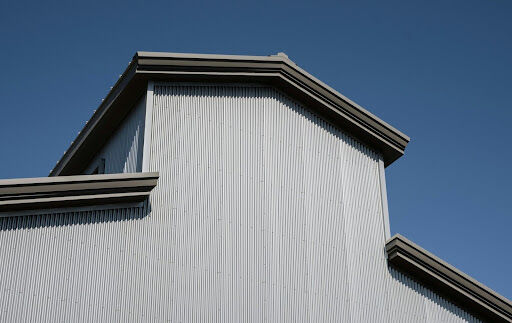
Choosing the right roofing material can be a complex decision, involving factors like climate, durability, energy efficiency, and aesthetics. Consulting with roofing professionals can simplify the process and ensure you make the best choice for your home. These experts can provide valuable insights into which materials are best suited to your region and specific needs. For instance, metal roofing specialists can offer advice on the benefits of metal roofs, such as their longevity and energy efficiency, while also explaining potential challenges like higher installation costs. By working with a professional, you gain access to expert knowledge, ensuring that your roofing investment will last and meet all your functional and design goals. Their experience can help you avoid costly mistakes and guarantee a roof that adds value and protection to your home.
Consider the Climate in Your Area
The local climate should be the first factor to guide your decision. Roofing materials react differently to various weather conditions, and selecting the wrong type could lead to quicker wear and tear. If you live in a region with heavy rainfall or snowfall, materials like metal or slate, which offer excellent water resistance, are ideal choices. In contrast, areas that experience extremely hot temperatures may benefit from materials like clay tiles or asphalt shingles that reflect sunlight and keep homes cooler. Researching weather patterns and consulting local experts can provide a clearer understanding of which materials work best in your specific environment.
Assess Durability and Longevity
Durability is a key consideration when choosing roofing materials. Some materials are designed to last much longer than others. For instance, slate and metal roofs are renowned for their exceptional durability and can last 50 years or more. Asphalt shingles, while more affordable, typically need to be replaced every 20-30 years. If you’re planning to stay in your home for the long term, investing in a durable material may save you money on future repairs or replacements. However, if you anticipate moving within a few years, a less expensive, yet reliable option like asphalt may suit your needs.
Take Aesthetic Appeal into Account
Your roof plays a significant role in your home’s exterior appearance, so it’s important to choose a material that complements your architectural style and enhances curb appeal. For example, wood shingles and shakes are a great match for homes with rustic or cottage-style designs, while modern homes often pair well with sleek metal roofing. Traditional colonial or Mediterranean-style homes may look best with clay tiles or slate. The color and texture of the material are also crucial elements to consider, as they can dramatically alter the look of your home. Matching the roofing material to the overall design of your house will ensure a cohesive and visually appealing appearance.
Evaluate Energy Efficiency
In today’s environmentally-conscious world, energy efficiency is an increasingly important factor in material selection. Some roofing materials are better insulators and can help regulate the temperature of your home more effectively, reducing your heating and cooling costs. Metal roofs, for instance, are highly reflective and help deflect sunlight, keeping your home cooler in the summer. Clay tiles also offer excellent insulation, while some newer asphalt shingles come equipped with reflective coatings to increase energy efficiency. Investing in an energy-efficient roofing material can lead to long-term savings on utility bills and a smaller carbon footprint.
Weigh Up the Cost and Your Budget
Cost is a major determinant for most homeowners when choosing roofing materials. The price of roofing materials varies significantly, with some options like asphalt shingles being more affordable, while premium materials like slate or copper can be quite expensive. When budgeting, remember that the cost of roofing extends beyond the materials themselves—it also includes installation, maintenance, and potential repairs over the roof’s lifespan. If your budget is tight, asphalt shingles are a cost-effective and popular option. However, it’s important not to sacrifice quality for price. Spending a bit more on a durable, energy-efficient material could save you money in the long run through lower maintenance and utility costs.
Understand Maintenance Requirements
Different roofing materials come with varying maintenance needs. Some, like metal or slate, are low-maintenance and require minimal upkeep. Others, such as wood shingles, may need regular treatments to prevent issues like mold, rot, or insect infestation. Understanding the level of maintenance required for each material can help you decide whether it fits your lifestyle and budget. If you prefer a hassle-free roofing solution, opting for a material that doesn’t require frequent repairs or treatments is the way to go. Conversely, if you’re willing to invest time and effort in maintaining your roof’s condition, materials like wood may provide a unique aesthetic.
Investigate Local Building Codes and Regulations
Before deciding on a roofing material, it’s important to check with your local building codes and homeowners’ association (HOA) guidelines. Some areas have restrictions on the types of roofing materials that can be used due to fire safety, environmental concerns, or aesthetic uniformity within a neighborhood. For example, wood shingles may not be allowed in areas prone to wildfires, while certain historic districts may require specific roofing materials to maintain the architectural integrity of the neighborhood. Ensuring that your choice complies with local regulations will help avoid costly modifications or penalties in the future.
Consider Environmental Impact
For environmentally-conscious homeowners, the sustainability of roofing materials is a growing concern. Some materials, like metal or clay tiles, are recyclable, while others, like asphalt shingles, may not be as eco-friendly. If minimizing your environmental impact is important to you, look for materials that are recyclable or made from sustainable resources. Additionally, green roofing options, such as living roofs or solar shingles, are becoming more popular and can contribute to energy conservation while reducing your home’s carbon footprint. Taking these factors into consideration can lead to a more sustainable roofing solution that benefits both your home and the environment.
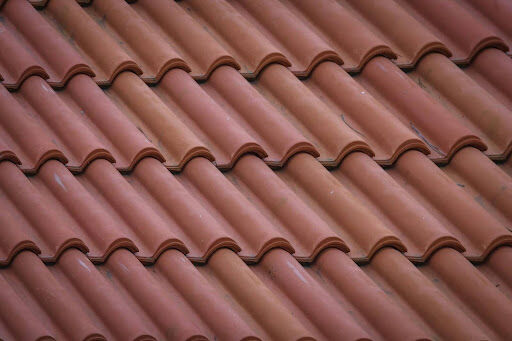
Choosing the right roofing material for your home involves balancing several important factors, including durability, energy efficiency, cost, aesthetic appeal, and maintenance. By carefully considering the climate, your budget, and the design of your home, you can select a roofing material that not only protects your property but also enhances its value and appearance. Whether you opt for asphalt shingles, metal, slate, or clay tiles, understanding the pros and cons of each material will ensure that your roof serves as a reliable and beautiful asset for years to come.


(0) comments
We welcome your comments
Log In
Post a comment as Guest
Keep it Clean. Please avoid obscene, vulgar, lewd, racist or sexually-oriented language.
PLEASE TURN OFF YOUR CAPS LOCK.
Don't Threaten. Threats of harming another person will not be tolerated.
Be Truthful. Don't knowingly lie about anyone or anything.
Be Nice. No racism, sexism or any sort of -ism that is degrading to another person.
Be Proactive. Use the 'Report' link on each comment to let us know of abusive posts.
Share with Us. We'd love to hear eyewitness accounts, the history behind an article.