

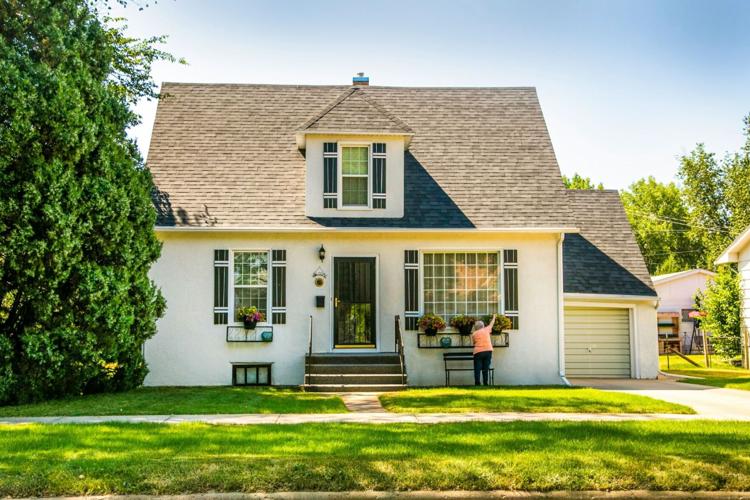
When you’re buying your first home, the whole process can feel quite overwhelming. It’s a major milestone, but one that is completely normal to feel stressed about. There’s a lot of legal jargon to work your way through, and you’re often going to put down a lot of money as a down payment, as well as tying yourself up financially into a home for the remainder of your lifeWith that being said, there are things you can control and things you cannot. The key to reducing anxiety is to focus on what you can control, which is your preparation and the pace. A simplified roadmap will help you navigate the process with more confidence.

Master Your Finances Early On
First and foremost, get your finances in order. Mastering your finances early on is probably one of the most important and effective ways to get one step ahead when buying your first home.
Before you even look at houses currently on the market, you should get a clear picture of your personal number. That number is going to look vastly different from one household to the next. These are the monthly payments you’re comfortable with and not just what the banks or lenders say you can afford.
Credit is important, so you’ll want to be well aware of your credit score, and if it’s looking low, then you’re going to want to make proactive efforts to improve it. Otherwise, it’s going to limit your borrowing power and the lenders who’ll be willing to lend to you.
It’s always good to budget for the hidden costs. Remember that your monthly payment includes more than just the loan itself. You’ll want to factor in property taxes, homeowners' insurance, and any potential HOA fees, too.
The more you can save, the better. You’ll want to save more than just the down payment itself because that’s not just the total amount you’ll pay. You’ll also need to have money for closing costs and anything else that might crop up unexpectedly.
Get Pre-Approved
The market is often a competitive one as a buyer, so you’ll want to ensure you have a pre-approved letter when going property hunting. It proves to the sellers that a lender has verified your income already, as well as your debt-to-income ratio and assets.
You don’t always need to have 20% as a down payment. There are FHA loans that are popular for first-time buyers who have smaller deposits and require a loan to match that.
VA loans are great for veterans, and USDA loans are for those who are looking in rural areas. There may also be grants available, as certain states and local governments will offer Down Payment Assistance programs, which can significantly lower your upfront costs.
Build Your Professional Team
Buying a property isn’t something you’ll likely be able to do all on your own, especially as a first-time buyer. Therefore, you want to build a professional team that will be able to handle all of the processes on your behalf. They’ll also be able to provide clarity on the things you might not understand or feel anxious about.
Firstly, you’ll want to find yourself a buyer’s agent. A good real estate agent does more than just show you the homes you’d be interested in living in. They help to negotiate on your behalf and handle the complex legal contracts, too.
It’s good to be mindful of the reputation of the agents, how they interact with you, and whether they listen to your needs and wants. There’s no point partnering with an agent who isn’t finding you the right properties. That’s just a big waste of your time.
For unbiased guidance on the process, it’s worth talking to a HUD-approved housing counseling agency. They will help you to understand your rights as well as any local programs available.
Narrow Your Search With A Priority List
When it comes to choosing the property, you’ll want to write down your non-negotiables before you start looking around homes. Narrowing your search with a priority list will avoid that trap that some people fall into when they’re swept away in the excitement of it all.

Your must-haves might be the number of bedrooms you need, the proximity to work, or the available schools nearby.
By having a list of non-negotiables, you’re more than likely to find the property of your dreams, rather than settling for something that doesn’t tick off all of your boxes.
When viewing homes, you want to be aware of any red flags that might be apparent and provide a sign that it’s not the best house to invest in. Look for damp stains, any crumbling plaster, or foundation issues. These can be expensive, hidden costs that you don’t want to have for your first-time home.
Once you’ve found the one, your agent will then submit an offer, and there’s often an inspection contingency to protect you if any major issues are found within the property.
If the offer is accepted, the property and you enter what’s called an escrow period. This is where your lender finalizes the mortgage, and an appraiser will ensure the home is worth the price.
This is quite a stressful and anxious period of time that can feel like it goes on forever. However, it’s good to have the attitude of whatever will be, will be. If it’s meant to be your home, then things will go smoothly, and if it doesn’t, then your first home is out there somewhere waiting for you.
Be sure to take regular mental breaks and remember that with every small step, it’s a win in the right direction. From gathering your bank statements to your tax returns, or attending an open house.
Buying your first home is a big process, but one that can be highly rewarding when you finally get the keys to a property you’ve fallen in love with. Utilize these tips to your advantage so that your first-time house hunting experience goes well.


(0) comments
We welcome your comments
Log In
Post a comment as Guest
Keep it Clean. Please avoid obscene, vulgar, lewd, racist or sexually-oriented language.
PLEASE TURN OFF YOUR CAPS LOCK.
Don't Threaten. Threats of harming another person will not be tolerated.
Be Truthful. Don't knowingly lie about anyone or anything.
Be Nice. No racism, sexism or any sort of -ism that is degrading to another person.
Be Proactive. Use the 'Report' link on each comment to let us know of abusive posts.
Share with Us. We'd love to hear eyewitness accounts, the history behind an article.