

Key Highlights
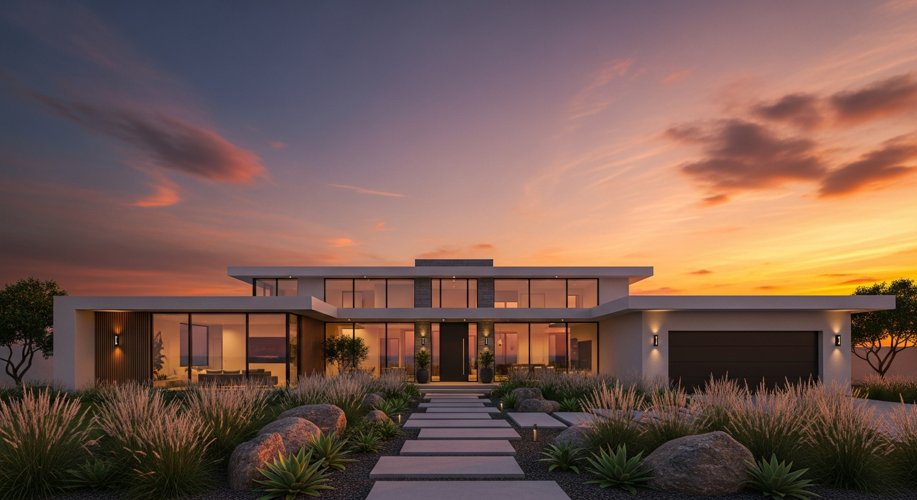
3D visualisation services transform abstract architectural concepts into photorealistic images, bridging the gap in the design process.
Architectural visualization allows you to see and refine your final product before construction begins, saving time and money.
These services enhance communication between architects, clients, and investors, ensuring the design intent is clearly understood.
By identifying potential issues early, 3D visualization minimizes costly mistakes and changes during the building phase.
In real estate, it is a powerful marketing tool for selling off-the-plan properties and engaging potential buyers.
From new builds to renovations, 3D renders offer a clear vision, aiding in better planning and decision-making for any project.
Want to see your new home or building project before construction starts? 3D visualization makes it possible. This technology turns blueprints into realistic images, giving you a clear preview of your project. Architectural visualization captures your vision and streamlines the process from concept to completion.
Understanding 3D Visualisation Services in Australia

Across Australia, 3D visualisation services are revolutionizing project planning and execution. Architects, developers, and construction companies use this technology to create highly realistic designs.
Architectural visualization offers stakeholders and homebuyers a clear view of proposed projects, making it vital in modern construction. Here’s an overview of these services and their most common types.
What Are 3D Visualisation Services?
3D visualization services turn architectural plans into photorealistic images and animations, providing a realistic preview of buildings before construction. This lets you see detailed views instead of interpreting 2D drawings.
By transforming concepts into vivid visuals—from exteriors to interior materials—these services improve clarity and support better decision-making early in the design process.
Architectural rendering creates a digital twin of your project, aligning teams and reducing misunderstandings before building begins.
Common Types of 3D Visualisation Used Before Building
There’s no one-size-fits-all solution for 3D visualization—different visuals suit different project needs, from marketing to technical planning. Each method brings ideas to life in unique formats, offering deeper insight than traditional floor plans.
Key types include:
Static Images: Photorealistic still renders of interiors or exteriors from various angles.
3D Walkthroughs & Animations: Video sequences that guide viewers through a space, showing flow and layout.
Virtual Reality (VR) Tours: Highly immersive experiences letting users explore digital models as if physically present.
3D Floor Plans: Top-down, three-dimensional layouts with room dimensions and furniture arrangements.
These tools help stakeholders visualize projects in detail before construction begins.
The Role of 3D Visualisation in the Pre-Construction Phase
During pre-construction, 3D visualization clarifies project decisions by bridging imagination and reality. It streamlines approvals with clear visuals for stakeholders and authorities, allowing teams to explore options and refine details before building starts. Next, we'll see how it connects concepts to reality and supports design exploration.
Bridging the Gap Between Design Concepts and Reality
A key challenge in construction is helping clients understand abstract designs. Traditional 2D drawings can be confusing, but 3D architectural visualization creates lifelike images that clearly show how a space will look and feel.
Clients can explore every detail of their future home or commercial space, from sunlight patterns to flooring textures, boosting confidence and engagement.
Virtual walkthroughs let clients experience the design in real time, give immediate feedback, and request changes—ensuring the final result matches their vision.
Exploring Design Options Before Construction Starts
The pre-construction stage is perfect for exploring design options. With 3D visualization, you can test different materials, colors, and layouts without real-world costs or risks—a major advantage over making changes during construction.
Want to preview a new countertop or exterior finish? Visualization allows quick design adjustments, making it invaluable for planning details like furniture placement and lighting.
Rather than relying on technical drawings, you make decisions based on realistic images, ensuring every element fits your vision.
Key Benefits of Using 3D Visualisation Services Before Building
Integrating architectural visualization into your design process offers more than attractive images—it’s a strategic tool that helps teams make better decisions, avoid costly mistakes, and streamline projects.
3D renders create a clear, shared vision, promoting collaboration and reducing misinterpretation. Key benefits include improved communication and increased accuracy.
Improved Communication Between Architects and Clients
Effective communication is vital for successful construction projects. 3D visualization services provide architects, designers, and clients with a shared visual reference, reducing confusion.
Photorealistic renders make design intent clear, helping clients understand concepts like scale and lighting. This leads to more productive discussions and faster decisions.
Visual clarity allows clients to give specific feedback by referencing details in the render, resulting in outcomes that better meet their expectations.
Enhanced Accuracy and Fewer Costly Changes During Construction
One of the main benefits of 3D visualization is its ability to spot issues before they become costly construction problems. Detailed digital models let architects and builders detect design flaws, system clashes, and other complications early.
Fixing errors in a digital model is far cheaper than making changes during construction. Catching these problems early saves time and money, keeping projects on budget and schedule.
3D visualization reduces mistakes by:
Detecting clashes between plumbing, electrical, and structural systems
Enabling precise material estimates to cut waste
Ensuring designs meet building codes and regulations
Providing clear plans for construction teams, minimizing on-site errors
How 3D Visualisation Services Transform Client Experiences
Building a new home is exciting but often stressful. 3D visualization eliminates uncertainty, boosting confidence and enthusiasm.
Clients can connect emotionally with their project before construction starts. Realistic images or virtual tours let them see, personalize, and fall in love with their future space. Next, we’ll explore how visualization empowers clients to view and customize designs.
Viewing Homes and Spaces Before They Are Built
Imagine touring your new home before construction starts. 3D architectural rendering transforms floor plans into realistic visuals, letting clients experience their future spaces firsthand.
Instead of abstract drawings, clients see detailed images of the finished home. They can visualize sunlight in the kitchen or how furniture fits in the living room, building excitement and trust.
Seeing the complete design provides peace of mind, ensuring everything matches their vision—so there are no surprises on move-in day.
Personalizing Interior and Exterior Designs for Clients
Every client wants a space that feels uniquely theirs. 3D visualization makes personalizing interiors and exteriors easy, letting clients experiment with finishes, fixtures, and colors.
This is especially helpful for interior design. Unsure if a sofa fits or if dark paint shrinks the room? 3D renders show exactly how choices affect the space, from furniture placement to lighting.
Customizing every detail ensures satisfaction before investing in materials or furnishings. It also encourages client involvement, resulting in a home that truly reflects their identity.
Applications of 3D Visualisation in New Builds and Renovations
3D visualization benefits all construction projects, from new builds to renovations, by providing clarity and foresight. Developers and homeowners alike use 3D renders to streamline planning and ensure successful outcomes. Here’s how these services support both new construction and renovation projects.
Supporting Developers and Homeowners in New Construction Projects
3D visualization is essential for developers and homeowners starting new construction. Developers use detailed renders to secure funding, gain approvals, and market properties before they’re built. Homeowners rely on them to ensure their dream home is designed perfectly, avoiding future regrets.
Unlike traditional drawings, 3D visuals offer a clear, comprehensive view of the project. They can be tailored from broad master plans to detailed interior shots, making it easier for everyone to understand and align on the outcome.
While benefits differ for each group, the main advantage is clear communication.
For Developers | For Homeowners |
Creates compelling pre-sale marketing materials | Helps visualize and confirm custom designs |
Streamlines investor presentations | Allows experimentation with layouts and finishes |
Identifies design flaws early | Clarifies spatial relationships |
Speeds up planning and approvals | Ensures the home matches their vision |
Streamlining Renovation and Remodeling Planning
Renovation projects can be challenging, especially when visualizing changes. 3D rendering services simplify this by showing how new elements will fit before work starts.
Thinking about removing a wall or redesigning your kitchen? 3D renders let you test ideas virtually, ensuring both style and functionality.
This realistic preview helps you make informed decisions and avoid costly mistakes, so you can move forward confidently knowing your results will match your vision.
Real Estate Marketing and Planning with 3D Visualisation
In today’s competitive real estate market, standing out is essential. 3D visualization transforms marketing and planning, especially for properties not yet built. It allows developers and agents to create engaging visuals that attract buyers.
Realistic images help buyers connect emotionally with a property. Using these visuals throughout the design process leads to stronger sales campaigns. Here’s how 3D visualization enhances off-the-plan property presentations.
Showcasing Off-the-Plan Properties to Potential Buyers
Selling off-the-plan properties once depended on floor plans and artist impressions, leaving buyers unsure. Now, 3D architectural visualizations present these homes in photorealistic detail, making them more appealing and real.
High-quality 3D renders are powerful marketing tools for brochures, websites, and social media. This realistic imagery helps buyers picture themselves in the space and often speeds up sales.
3D visualization boosts off-the-plan sales by:
Creating emotional connections with immersive visuals.
Clearly showing layout, features, and finishes.
Providing engaging digital marketing content.
Highlighting the property’s full potential, including landscaping and amenities.
Enhancing Project Presentations for Investors and Stakeholders
When seeking real estate funding, making a strong impression on investors is crucial. 3D visualization transforms simple charts into compelling visuals, clearly highlighting your project’s value and ROI.
Detailed 3D models showcase professionalism and thorough planning, assuring stakeholders that all aspects and design challenges have been addressed. This builds trust and confidence.
Presentations featuring realistic renders, animations, or virtual walkthroughs are more engaging than traditional pitches, helping investors fully grasp your vision and increasing their likelihood of support.
3D visualization services are vital in design and construction, transforming ideas into accurate visuals. They improve communication, reduce costly changes, and help clients make informed decisions. As the industry advances, 3D visualization streamlines workflows and delivers better outcomes. Ready to see the difference? Contact our team for a consultation today!
Here are some other articles related to your search:
Top Interior Design Rendering Software in 2025: Tools Every Designer Should Know

(0) comments
We welcome your comments
Log In
Post a comment as Guest
Keep it Clean. Please avoid obscene, vulgar, lewd, racist or sexually-oriented language.
PLEASE TURN OFF YOUR CAPS LOCK.
Don't Threaten. Threats of harming another person will not be tolerated.
Be Truthful. Don't knowingly lie about anyone or anything.
Be Nice. No racism, sexism or any sort of -ism that is degrading to another person.
Be Proactive. Use the 'Report' link on each comment to let us know of abusive posts.
Share with Us. We'd love to hear eyewitness accounts, the history behind an article.