
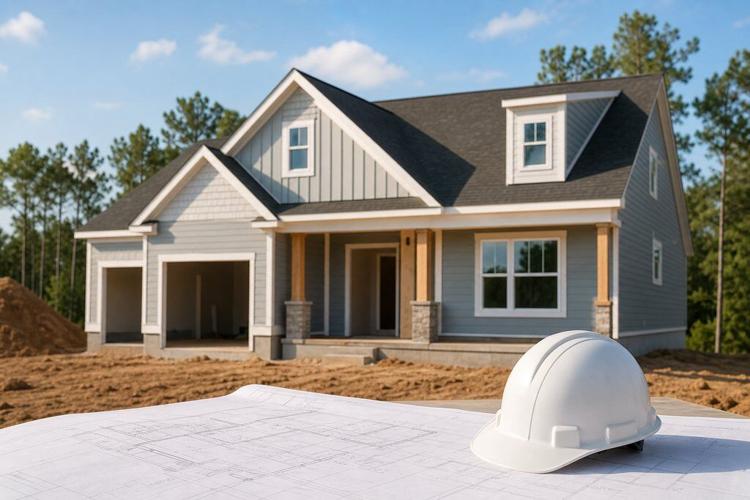

Building a home in Norfolk, VA is a big decision. Not just because of the investment, but all of the pieces that go into it, from land to lot to design to colors to materials. Hundreds of decisions come into play during the build process and they all play a key role in shaping the home you live in.
So how do you keep track of it all?
The best thing you can do is to start preparing before you even walk into the design center. We’ve put together this helpful list to get you on track to a great build.
Start With the Land
The site decides more than the floor plan. Slope, soil, setbacks, utilities, and access all come into play long before the first wall goes up.
These details will affect your foundation, drainage, driveway, and where your home sits within the yard. This can impact the design and functionality of the home as well.
Before you fall in love with a house design, explore the lot to find out how it might change the home. Get a handle on these questions:
- How does the natural slope and drainage run across the property?
- Where are the required setbacks and easements?
- Where can utilities connect, and where must equipment access?
- Where do you dream of sitting outside?
Your design can be beautiful on paper and less beautiful when placed into context.
Know What the Budget Really Covers
Before you walk into design centers and pick out every little detail, take a hard look at how much you can spend. We recommend putting a 10% reserve contingency inside your working budget so you can cover the unexpected without cutting back on features. Remember that building costs (https://forbes.com/home-improvement is the page I keep coming back to) are more than just the price of your home.
Some of these costs aren’t always front and center:
- Site prep, grading, permits, and inspections
- Utility connections or upgrades
- Fencing, landscaping, or hardscaping
- Upgrades to windows, doors, and lighting
Think strategically here. Prioritize the decisions that will have a lasting impact on your home.
This means durable roofing, strong insulation and mechanical systems, an efficient kitchen, and a layout that fits your life. The finishes can follow. They can always be changed later.
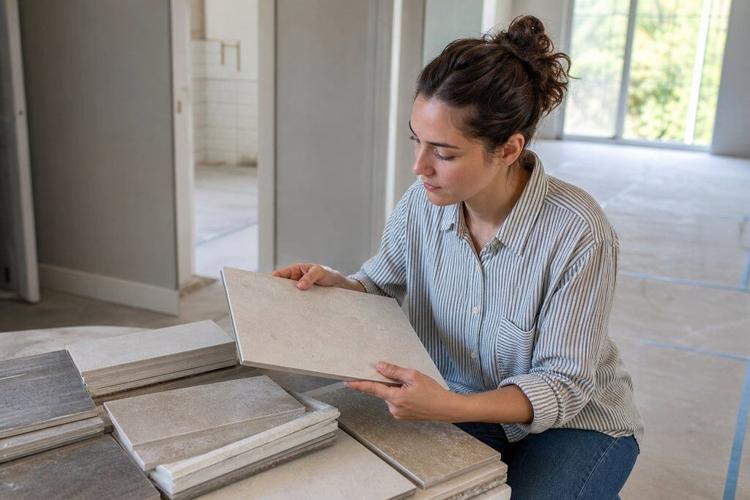
When it comes to choosing finishes, pick what will fit into your daily life. You need durable flooring for high-traffic areas that are easy to maintain. You need a bathroom that can handle the morning rush. You need counter surfaces that won’t crack when you drop your casserole dish.
Think about maintenance too, how often you want to deep-clean, polish, or refinish things. Can you easily replace damaged parts, or will repairs be expensive and difficult to manage? You don’t want to walk away from a beautiful finished home only to realize it will be difficult to live in.
Keep Decisions Moving

The construction process depends on your selections. Materials are ordered and delivered on a schedule. Each phase of work flows into the next, so there’s a limited time to make decisions each step of the way.
A delay can affect your budget or change your home. It can be as minor as not having outlets where you planned or as big as redoing your cabinets.
Here are some tips to staying organized:
- Choose in advance what items you can live without right now to save money.
- Narrow your finishes to a few choices so it’s easier to make decisions.
- Keep all decisions in writing, and keep track of questions and modifications with your builder.
Write down approved selections, changes to the plan, and outstanding questions. Get in the habit of writing them down to keep everyone on the same page and to make sure nothing is missed.
As you plan your new home, be sure to take Norfolk’s local climate into account. Humidity and heavy rains, plus coastal winds and salt air (and flooding, in some areas) will all have an impact on your home design. For example, moisture control starts with waterproofing the foundation, and moves through details like flashing, ventilation, and the placement of your air conditioner. Also, if your new home will be close to an area that could flood, check into the costs and requirements of flood insurance, elevation, etc., before finalizing your plans.
When planning a home, we often don’t think about features that can help the home recover from storms. But we recommend planning ahead, and looking into items such as impact-rated windows and doors, a well-detailed roof, weather-proofed outdoor electrical outlets, a generator hookup space, gutters that will drain away from your walkways and foundations, and so on.
When it comes to materials, look into options for exterior finishes that can stand up to salt air and the other demands of living in Hampton Roads. Remember to plan for easy maintenance of your home now, to make the process easier down the road. Sometimes, it’s the boring decisions that will help you protect the longevity, and the comfort, of your home and help you avoid unexpected costs in the future.
Make a photo record. One of the critical visits should be before the walls get closed up. Take photos of where the shutoff valves are located on the plumbing and where the electrical runs in the walls. When the home needs maintenance in the future, you will be grateful for this time-saving tool.
Put Priorities on One Page
Once you’ve got your lot and budget, gather everyone’s dream list and put together a short, one-page document. If you’re working with 757 Building Company, this is a useful starting point for discussing your goals, priorities, and budget with your builder. Your home will ultimately reflect the priorities in this list, giving your builder a clearer understanding of what you want and how much you plan to spend.
Keep your priorities in the foreground as you consider design ideas and ask questions. The layout should account for the way your family actually lives: where shoes, bags, laundry, groceries, and seasonal gear can go, as well as how you move between rooms and closets. Think about which rooms need natural light, where work can happen apart from daily life, and the level of privacy each family member might need. Consider how your family may change over time and how those changes could affect the way you use your home.
If you have a builder’s list or design checklist, we can help you fill it in and turn your ideas into a practical starting point for the building process.


(0) comments
We welcome your comments
Log In
Post a comment as Guest
Keep it Clean. Please avoid obscene, vulgar, lewd, racist or sexually-oriented language.
PLEASE TURN OFF YOUR CAPS LOCK.
Don't Threaten. Threats of harming another person will not be tolerated.
Be Truthful. Don't knowingly lie about anyone or anything.
Be Nice. No racism, sexism or any sort of -ism that is degrading to another person.
Be Proactive. Use the 'Report' link on each comment to let us know of abusive posts.
Share with Us. We'd love to hear eyewitness accounts, the history behind an article.